Introduction
The Wild Turkey (Meleagris gallopavo) is one of North America's most recognizable and fascinating game birds. Known for its striking plumage, impressive size, and complex social behaviors, the wild turkey has captivated hunters, conservationists, and wildlife enthusiasts alike. Once on the brink of extinction due to overhunting and habitat loss, dedicated conservation efforts have helped this species thrive once again. Whether you're interested in hunting, birdwatching, or simply learning more about these remarkable birds, this guide will provide an in-depth look at the wild turkey.
A Brief History of the Wild Turkey
The wild turkey has a rich history in North America, dating back millions of years. Revered by Indigenous peoples for its meat, feathers, and cultural significance, turkeys were an essential resource long before European settlers arrived. By the early 1900s, however, overhunting and deforestation had driven wild turkey populations to dangerously low levels. Thanks to extensive conservation efforts, including habitat restoration and regulated hunting, their numbers have rebounded dramatically.
The Unique Physical Traits of the Wild Turkey
Wild turkeys are easily recognizable due to their unique appearance:
- Size:
- Adult males (toms) can weigh between 16 and 24 pounds, while females (hens) are smaller, around 8 to 12 pounds.
- Adult males (toms) can weigh between 16 and 24 pounds, while females (hens) are smaller, around 8 to 12 pounds.
- Plumage:
- Males have iridescent feathers in shades of bronze, copper, and green, while hens have more muted brown tones for camouflage.
- Males have iridescent feathers in shades of bronze, copper, and green, while hens have more muted brown tones for camouflage.
- Head and Beard:
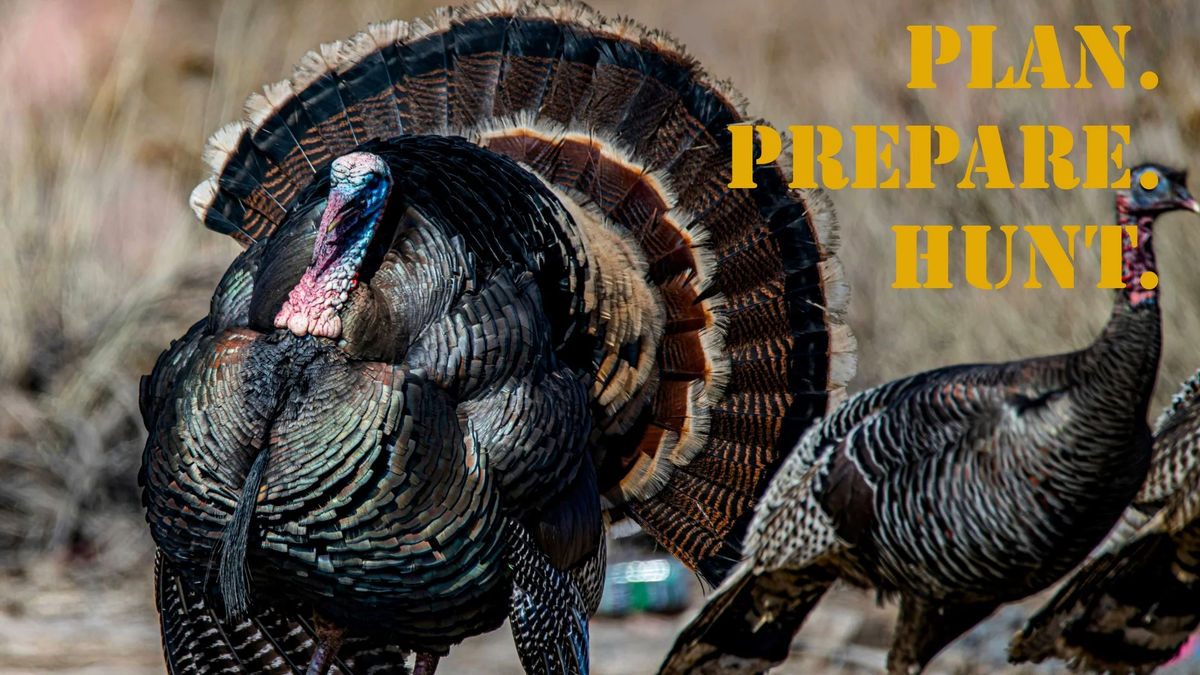
- Toms have a featherless, brightly colored head that can change from red to blue to white depending on their mood. Many also have a beard, a tuft of coarse feathers hanging from their chest.
- Toms have a featherless, brightly colored head that can change from red to blue to white depending on their mood. Many also have a beard, a tuft of coarse feathers hanging from their chest.
- Spurs and Tail Fan:
- Male turkeys develop sharp spurs on their legs for fighting and display a stunning tail fan during courtship.
- Male turkeys develop sharp spurs on their legs for fighting and display a stunning tail fan during courtship.
Meet the family: Subspecies of Wild Turkey
Eastern Wild Turkey (Meleagris gallopavo silvestris)
The largest and most widespread turkey subspecies in North America, the Eastern Wild Turkey inhabits hardwood forests, river bottoms, and mixed agricultural landscapes across the eastern United States and parts of Canada. Known for its rich chestnut-tipped tail fan and powerful gobble, it thrives in diverse habitats with abundant mast and cover. Wary, adaptable, and iconic, it is the cornerstone of American turkey hunting tradition.
Gould’s Wild Turkey (Meleagris gallopavo mexicana)
The largest-bodied and rarest of North America’s wild turkey subspecies, Gould’s Wild Turkey inhabits the rugged mountains and pine-oak forests of northern Mexico and limited areas of the southwestern United States. Known for its long legs, white-tipped tail feathers, and striking iridescent plumage, it thrives in high-elevation terrain. Wary and elusive, Gould’s Wild Turkey represents one of the most remote and prized turkey pursuits in North America.
Merriam’s Wild Turkey (Meleagris gallopavo merriami)
A high-country subspecies of the American West, Merriam’s Wild Turkey inhabits ponderosa pine forests, mountain meadows, and canyon systems from the Rockies to the Southwest. Recognized by its bright white-tipped tail fan and lighter plumage, it thrives in open timber and rugged terrain. Vocal, mobile, and mountain-adapted, Merriam’s is a classic western gobbler and a staple of spring turkey traditions.
Ocellated Turkey (Meleagris ocellata)
Native to the Yucatán Peninsula of Mexico, Belize, and Guatemala, the Ocellated Turkey is a striking and vividly colored wild turkey species. Known for its iridescent bronze and green plumage, bright blue head with orange nodules, and eye-like “ocelli” markings on its tail feathers, it inhabits tropical forests and jungle clearings. Agile, wary, and visually stunning, it represents one of the most exotic and sought-after turkey species in the world.
Osceola (Florida) Wild Turkey (Meleagris gallopavo osceola)
Native exclusively to the Florida peninsula, the Osceola Wild Turkey is one of the five recognized subspecies of the Wild Turkey. It is slightly smaller and darker than other subspecies, with long legs and less white barring on the wings. Preferring pine flatwoods, oak hammocks, and swamp edges, this wary and elusive bird is highly sought after due to its limited geographic range and strong ties to Florida’s unique habitat.
Rio Grande Wild Turkey (Meleagris gallopavo intermedia)
Native to the central plains, river valleys, and brushlands of Texas, Oklahoma, and northern Mexico, the Rio Grande Wild Turkey is a medium-sized, hardy subspecies of the Wild Turkey. Recognizable by its long legs, pale-tipped tail feathers, and bold coloration, it thrives in open woodlands, riparian corridors, and brushy terrain. Wary and agile, the Rio Grande Turkey is a classic game bird of the southern plains and southwestern United States.
Check out the Tier 1 Sportsmen YouTube!
Diet: What do Wild Turkey Eat?
Wild turkeys are highly adaptable omnivores, thriving on a diverse range of food sources depending on availability and season:
- Plant-Based Foods:
- Acorns, seeds, berries, and grasses form the foundation of their diet, providing essential nutrients year-round.
- Acorns, seeds, berries, and grasses form the foundation of their diet, providing essential nutrients year-round.
- Insects and Small Creatures:
- Wild turkeys supplement their diet with beetles, grasshoppers, and occasionally small reptiles, showcasing their opportunistic feeding habits.
- Wild turkeys supplement their diet with beetles, grasshoppers, and occasionally small reptiles, showcasing their opportunistic feeding habits.
- Agricultural Crops:
- They often forage in fields, taking advantage of grains like corn and wheat left behind after harvests.
- They often forage in fields, taking advantage of grains like corn and wheat left behind after harvests.
- Foraging Techniques:
- Using their powerful legs and sharp beaks, turkeys skillfully scratch through leaf litter and soil to uncover hidden food.
- Using their powerful legs and sharp beaks, turkeys skillfully scratch through leaf litter and soil to uncover hidden food.
This versatility allows wild turkeys to thrive in a variety of habitats, making them one of the most resourceful ground birds in North America.
The Social Traits and Behavior of the Wild Turkey
Wild turkeys are highly social and exhibit intricate behaviors that highlight their adaptability and group dynamics:
- Flock Structure:
- Hens and their poults form large, cohesive groups for protection and cooperation, while toms (males) remain in separate bachelor groups until the breeding season.
- Hens and their poults form large, cohesive groups for protection and cooperation, while toms (males) remain in separate bachelor groups until the breeding season.
- Mating Rituals:
- During the spring breeding season, toms showcase their prowess through mesmerizing displays of gobbling, strutting, and feather fanning to captivate hens.
- During the spring breeding season, toms showcase their prowess through mesmerizing displays of gobbling, strutting, and feather fanning to captivate hens.
- Roosting Habits:
- To evade predators, wild turkeys seek safety by roosting in trees at night, often returning to the same roosting sites.
- To evade predators, wild turkeys seek safety by roosting in trees at night, often returning to the same roosting sites.
- Complex Communication:
- These birds use an impressive range of vocalizations, including gobbles, clucks, purrs, and yelps, each serving distinct purposes like warning, mating, or maintaining flock cohesion.
- These birds use an impressive range of vocalizations, including gobbles, clucks, purrs, and yelps, each serving distinct purposes like warning, mating, or maintaining flock cohesion.
These behaviors illustrate the remarkable social intelligence and adaptability of wild turkeys, making them a fascinating and essential part of their ecosystems.
The Diverse Range of the Wild Turkey
Wild turkeys are remarkably adaptable birds, thriving across a wide range of environments:
- Forests:
- Mixed hardwood and pine forests with abundant undergrowth offer ideal cover and foraging opportunities.
- Mixed hardwood and pine forests with abundant undergrowth offer ideal cover and foraging opportunities.
- Grasslands:
- Open meadows provide rich feeding grounds filled with insects, seeds, and grasses.
- Open meadows provide rich feeding grounds filled with insects, seeds, and grasses.
- Agricultural Areas:
- Farmlands serve as prime foraging spots, with turkeys taking advantage of leftover grains and crops.
- Farmlands serve as prime foraging spots, with turkeys taking advantage of leftover grains and crops.
- Geographic Range:
- Native to most of the United States, parts of Canada, and Mexico, wild turkey populations have flourished, thanks to successful conservation programs and habitat restoration efforts.
- Native to most of the United States, parts of Canada, and Mexico, wild turkey populations have flourished, thanks to successful conservation programs and habitat restoration efforts.
This incredible adaptability has made wild turkeys a conservation success story, showcasing their resilience and ecological importance.
Balancing the Scales: Wild Turkey Populations and Conservation Strategies
Despite remarkable recovery efforts, wild turkeys still face ongoing challenges that threaten their stability:
- Habitat Loss:
- Urban expansion, deforestation, and agricultural development continue to encroach on critical turkey habitats.
- Urban expansion, deforestation, and agricultural development continue to encroach on critical turkey habitats.
- Predation:
- Raccoons, foxes, and skunks frequently target nests, significantly impacting reproductive success and population growth.
- Raccoons, foxes, and skunks frequently target nests, significantly impacting reproductive success and population growth.
- Disease:
- Illnesses such as avian pox and other infectious diseases can spread quickly within flocks, posing serious health risks.
- Illnesses such as avian pox and other infectious diseases can spread quickly within flocks, posing serious health risks.
- Hunting Pressure:
- While regulated hunting provides vital funding for conservation, overharvesting in certain areas can destabilize localized populations.
- While regulated hunting provides vital funding for conservation, overharvesting in certain areas can destabilize localized populations.
Coordinated conservation strategies have played a vital role in the resurgence and protection of wild turkey populations:
- The National Wild Turkey Federation (NWTF):
- This organization has been instrumental in funding research, restoring habitats, and spearheading conservation initiatives.
- This organization has been instrumental in funding research, restoring habitats, and spearheading conservation initiatives.
- Hunting Regulations:
- Enforcing bag limits and implementing seasonal restrictions helps maintain sustainable population levels.
- Enforcing bag limits and implementing seasonal restrictions helps maintain sustainable population levels.
- Translocation Projects:
- Wild turkeys have been successfully reintroduced to regions where they had previously vanished, boosting their range and genetic diversity.
- Wild turkeys have been successfully reintroduced to regions where they had previously vanished, boosting their range and genetic diversity.
- Habitat Management:
- Collaborative efforts by landowners and wildlife agencies focus on maintaining and enhancing healthy forests, grasslands, and other critical habitats.
- Collaborative efforts by landowners and wildlife agencies focus on maintaining and enhancing healthy forests, grasslands, and other critical habitats.
Through continued vigilance and collaboration, we can ensure that wild turkeys remain a thriving symbol of North America's natural heritage.
Fun Facts about Wild Turkeys
- Wild turkeys can fly at speeds of up to 55 miles per hour for short distances, despite being ground-dwelling birds.
- Male turkeys, called toms, have a unique beard-like feature made of modified feathers that grows from their chest.
- A group of turkeys is called a rafter, and they often communicate with over 20 distinct vocalizations.
- Wild turkeys have excellent eyesight and can see in color, making them highly alert to potential threats.
- During mating season, toms fan their tail feathers in a dramatic display to attract hens, creating an iconic silhouette.
Closing Thoughts: The Legacy of the Wild Turkey
The wild turkey stands as a remarkable conservation success story, symbolizing resilience and the power of dedicated efforts. However, protecting their future requires continued commitment and action. Whether you're a hunter, conservationist, or wildlife enthusiast, there are impactful ways you can contribute:
- Support Conservation Organizations:
- Collaborate with groups like the NWTF to fund habitat restoration and preservation projects.
- Collaborate with groups like the NWTF to fund habitat restoration and preservation projects.
- Practice Ethical Hunting:
- Embrace responsible hunting practices to sustain balanced, thriving populations.
- Embrace responsible hunting practices to sustain balanced, thriving populations.
- Advocate for Habitat Protection:
- Promote initiatives that safeguard forests and grasslands—key environments for wild turkeys.
- Promote initiatives that safeguard forests and grasslands—key environments for wild turkeys.
- Educate and Inspire Others:
- Share knowledge about the ecological importance of wild turkeys and their role in maintaining North America's ecosystems.
- Share knowledge about the ecological importance of wild turkeys and their role in maintaining North America's ecosystems.
Together, we can ensure that future generations experience the thrill of spotting wild turkeys in the wild and hearing their unmistakable gobbles echo through forests and meadows alike.
Last updated February 2026
Sources
U.S. Forest Service - Research & Development
Disclaimer: This content is provided for informational and entertainment purposes only. It may include personal opinions, user-generated input, or material created with the assistance of AI tools, and is not intended as professional advice of any kind. Tier 1 Sportsmen does not guarantee the accuracy, completeness, or reliability of any information provided. Always verify any hunting, safety, gear, or health-related information with qualified experts, and check all local laws and regulations before participating in any hunting activity. This site may contain copyrighted material, the use of which has not always been specifically authorized by the copyright owner. We believe that this constitutes a ‘fair use’ of the material in accordance with Title 17 U.S.C. Section 107. For full details, please review our Disclaimer, TOS, & Privacy Policy.