Introduction
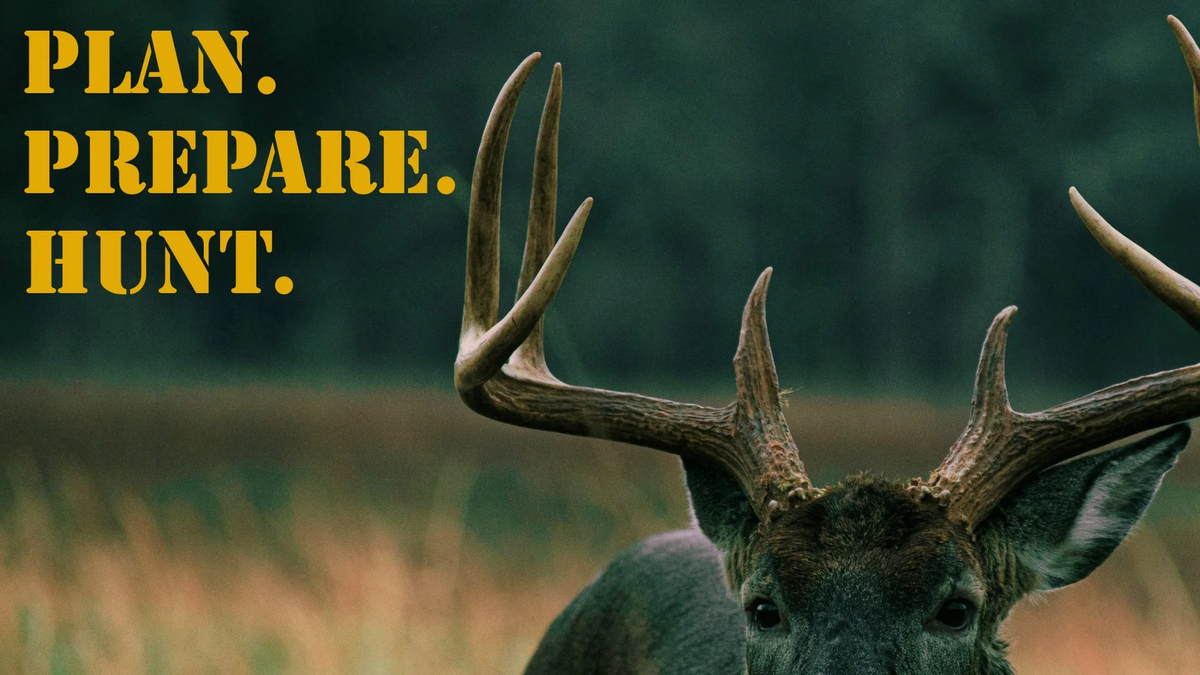
Graceful, elusive, and iconic, the whitetail deer (Odocoileus virginianus) is one of North America’s most recognizable and beloved wildlife species. Whether you're a hunter, wildlife enthusiast, or casual observer, chances are you've encountered this fascinating creature at some point. From their distinctive white tails flashing through the woods to their incredible adaptability, whitetails are a true testament to nature’s resilience. In this article, we’ll dive into their history, unique traits, diet, behavior, habitat, subspecies, conservation status, and why they matter to our ecosystems.
A Brief History of the Whitetail Deer
Whitetail deer have roamed North America for thousands of years. Fossil evidence suggests they evolved nearly 3.5 million years ago, long before humans arrived on the continent. Indigenous peoples revered them as a vital food source and used nearly every part of the deer for tools, clothing, and shelter. With European colonization, whitetail populations fluctuated—booming in some areas and nearly vanishing in others due to unregulated hunting and habitat loss. Thanks to conservation efforts in the 20th century, their numbers have rebounded dramatically, making them one of the most successful large mammal species today.
The Unique Physical Traits of the Whitetail Deer
The White-tailed Deer is instantly recognizable by its sleek reddish-brown summer coat, which shifts to a muted grayish-brown in winter—perfect natural camouflage. Bucks, or males, typically weigh 150–300 pounds, while does range from 90–200 pounds. Their signature feature, the white underside of the tail, serves as a highly effective alarm signal, flashing to warn other deer of danger. Other distinctive physical traits include:
- Large, dark eyes with exceptional night vision, allowing them to detect movement in low-light conditions.
- Slender, powerful legs built for explosive speed, capable of short bursts up to 30 mph and impressive agility over rugged terrain.
- Antlers (males only) that grow each spring and are shed annually, ranging from simple spikes to wide, multi-pointed crowns on mature bucks.
- An acute sense of smell, vital for detecting predators, locating food, and navigating their environment.
These combined traits make the White-tailed Deer not only a master of stealth and evasion but also a fascinating species for hunters and wildlife observers alike.
Meet the family: Subspecies of Whitetail Deer
Anticosti White-tailed Deer (Odocoileus virginianus anticostiensis)
A unique subspecies of white-tailed deer, the Anticosti Deer inhabits Anticosti Island in Quebec, Canada. Larger and more robust than mainland populations, it thrives in mixed forests, wetlands, and coastal areas. With a rich reddish-brown summer coat and pale winter coat, it is highly adaptable and has become abundant on the island. Hardy, prolific, and somewhat approachable due to isolation, it is a distinctive symbol of Anticosti’s wildlife.
Carmen Mountains White-tailed Deer (Odocoileus virginianus carmeni)
A rare and localized subspecies, the Carmen Mountains White-tailed Deer inhabits the rugged canyons, oak woodlands, and brushy slopes of the Carmen Mountains region in northern Mexico. Smaller and more compact than northern white-tailed deer, it is adapted to arid, rocky terrain with sparse vegetation. Elusive, hardy, and highly specialized, this deer represents the unique biodiversity of the northern Mexican highlands.
Central American White-tailed Deer (Odocoileus virginianus centralis)
Native to the tropical and subtropical forests, savannas, and scrublands of Central America, this subspecies of white-tailed deer is smaller and more slender than its northern relatives. Adapted to warm, humid climates, it feeds on a mix of grasses, shrubs, and fruiting plants. Alert, agile, and highly adaptable, the Central American White-tailed Deer is a key herbivore in the region’s diverse ecosystems.
Columbia White-tailed Deer (Odocoileus virginianus leucurus)
A rare subspecies, the Columbia White-tailed Deer inhabits the riparian forests, wetlands, and floodplains of the Columbia River Basin in Washington and Oregon. Smaller than many northern white-tailed deer, it is well adapted to dense vegetation and seasonal flooding. Wary, elusive, and highly specialized, this deer represents a critical component of the basin’s fragile riverine ecosystems and ongoing conservation efforts.
Coues White-tailed Deer (Odocoileus virginianus couesi)
A small, desert-adapted subspecies, the Coues White-tailed Deer inhabits the arid brushlands, canyons, and thorn scrub of northern Mexico and the southwestern United States. Compact and agile, it thrives on sparse vegetation, cacti, and desert shrubs. Alert and elusive, the Coues White-tailed Deer is highly specialized for survival in hot, dry environments and is prized by hunters for its challenging desert terrain.
Mexican Central Plateau White-tailed Deer (Odocoileus virginianus mexicanus)
Native to the highlands and plateaus of central Mexico, this subspecies of white-tailed deer inhabits oak-pine forests, grasslands, and scrubby foothills. Medium-sized and well-adapted to seasonal variations in temperature and vegetation, it feeds on a mix of shrubs, grasses, and mast. Wary, agile, and resilient, the Mexican Central Plateau White-tailed Deer is a key species of Mexico’s central highland ecosystems.
Mexican Gulf Coast White-tailed Deer (Odocoileus virginianus tropicalis)
Native to the humid lowlands, coastal forests, and mangroves of Mexico’s Gulf Coast, this subspecies of white-tailed deer is smaller and more slender than highland populations. Adapted to warm, wet climates, it feeds on a mix of grasses, shrubs, and fruits while navigating dense, tropical vegetation. Agile, elusive, and highly specialized, the Mexican Gulf Coast White-tailed Deer is a distinctive component of the region’s coastal ecosystems.
Mexican Pacific Coast White-tailed Deer (Odocoileus virginianus sinaloae)
Native to the coastal plains, tropical forests, and river valleys along Mexico’s Pacific coast, this subspecies of white-tailed deer is medium-sized and well-adapted to warm, humid environments. It thrives on a diet of grasses, shrubs, and seasonal fruits, using dense vegetation for cover and protection. Wary, agile, and resilient, the Mexican Pacific Coast White-tailed Deer is an important component of the region’s coastal wildlife communities.
Mexican Texanus White-tailed Deer (Odocoileus virginianus texanus)
Native to southern Texas and northeastern Mexico, this subspecies of white-tailed deer inhabits semi-arid brushlands, riparian corridors, and oak-savanna habitats. Medium-sized and highly adaptable, it feeds on grasses, shrubs, and seasonal browse while relying on dense cover for protection. Alert, resilient, and opportunistic, the Mexican Texanus White-tailed Deer is a hallmark species of the southern U.S.–northern Mexico borderlands.
Midwestern White-tailed Deer (Odocoileus virginianus borealis)
Native to the forests, prairies, and agricultural landscapes of the American Midwest, this subspecies of white-tailed deer is medium-sized with a robust build. It thrives on a diverse diet of grasses, crops, shrubs, and mast, adapting well to seasonal changes. Wary, highly adaptable, and widely distributed, the Midwestern White-tailed Deer is a defining species of the region’s mixed woodland and grassland ecosystems.
Northeastern White-tailed Deer (Odocoileus virginianus virginianus)
Native to the forests, wetlands, and mixed agricultural landscapes of the northeastern United States and southeastern Canada, this subspecies of white-tailed deer is medium-sized with a strong, agile build. It thrives on a varied diet of mast, shrubs, and seasonal vegetation. Wary, adaptable, and abundant, the Northeastern White-tailed Deer is a key herbivore and iconic species of the region’s temperate forest ecosystems.
Northwestern White-tailed Deer (Odocoileus virginianus ochrourus)
Native to the forests, river valleys, and mountainous regions of northwestern North America, this subspecies of white-tailed deer is medium-sized with a sturdy build. It thrives on a diet of shrubs, grasses, and seasonal browse while navigating dense timber and rugged terrain. Wary, adaptable, and resilient, the Northwestern White-tailed Deer is a vital component of the region’s diverse woodland and riparian ecosystems.
Southeastern White-tailed Deer (Odocoileus virginianus seminolus)
Native to the forests, wetlands, and pine–hardwood ecosystems of the southeastern United States, this subspecies of white-tailed deer is medium-sized and highly adaptable. It thrives on a diet of mast, shrubs, and seasonal vegetation, often taking advantage of agricultural crops. Alert, resilient, and abundant, the Southeastern White-tailed Deer is a cornerstone species of the region’s diverse forested and wetland landscapes.
Texas White-tailed Deer (Odocoileus virginianus texanus)
Native to the semi-arid brushlands, savannas, and riparian corridors of southern and central Texas, this subspecies of white-tailed deer is medium-sized with a compact, hardy build. It thrives on a diet of grasses, shrubs, and seasonal browse, often utilizing dense thickets and mesquite for cover. Wary, resilient, and well-adapted to heat and drought, the Texas White-tailed Deer is a defining species of the Lone Star State’s wildlife.
Check out the Tier 1 Sportsmen YouTube!
Diet: What Do Whitetail Deer Eat?
Whitetail deer are herbivores with a highly adaptable diet, enabling them to thrive in a wide range of environments by adjusting to the seasonal availability of food sources:
- Spring and Summer:
- They consume tender shoots, fresh grasses, succulent fruits, and cultivated crops like corn and soybeans, taking advantage of the abundance during these seasons.
- They consume tender shoots, fresh grasses, succulent fruits, and cultivated crops like corn and soybeans, taking advantage of the abundance during these seasons.
- Fall:
- Acorns, nuts, and berries become essential staples, helping the deer build critical fat reserves to sustain them through the winter months.
- Acorns, nuts, and berries become essential staples, helping the deer build critical fat reserves to sustain them through the winter months.
- Winter:
- With limited food options, they rely on bark, twigs, and evergreen plants to endure the harsh conditions.
- With limited food options, they rely on bark, twigs, and evergreen plants to endure the harsh conditions.
This dietary flexibility is a key factor in the survival and success of whitetail deer across diverse ecosystems, showcasing their remarkable resilience and resourcefulness.
The Social Traits and Behavior of the Whitetail Deer
Whitetail deer exhibit fascinating social behaviors and adaptations that help them thrive across diverse ecosystems:
- Crepuscular Activity:
- These deer are most active at dawn and dusk, strategically avoiding midday heat while reducing their exposure to predators such as wolves, coyotes, and humans.
- These deer are most active at dawn and dusk, strategically avoiding midday heat while reducing their exposure to predators such as wolves, coyotes, and humans.
- Bucks During the Rut:
- The breeding season (rut), peaking in November, sees bucks displaying heightened aggression as they compete for does. They engage in intense antler battles to assert dominance and secure mating rights.
- The breeding season (rut), peaking in November, sees bucks displaying heightened aggression as they compete for does. They engage in intense antler battles to assert dominance and secure mating rights.
- Does and Fawns:
- Female deer form small, protective family groups with their offspring. Fawns, born in late spring, are equipped with white spots that act as effective camouflage in their early vulnerable months.
- Female deer form small, protective family groups with their offspring. Fawns, born in late spring, are equipped with white spots that act as effective camouflage in their early vulnerable months.
- Communication:
- Whitetail deer utilize a sophisticated system of communication, combining vocalizations, expressive body language, and scent marking to coordinate within their groups and deter rivals or predators.
- Whitetail deer utilize a sophisticated system of communication, combining vocalizations, expressive body language, and scent marking to coordinate within their groups and deter rivals or predators.
These social traits illustrate the adaptability and survival strategies of whitetail deer, making them one of the most iconic and widespread species in North America.
The Diverse Range of Whitetail Deer
Whitetail deer owe their widespread presence to their remarkable adaptability, allowing them to thrive in diverse habitats across the Americas:
- Dense Forests and Woodlands:
- Ideal for cover and foraging, these areas provide safety and abundant food.
- Ideal for cover and foraging, these areas provide safety and abundant food.
- Grasslands and Prairies:
- Open landscapes offer visibility and rich feeding grounds filled with grasses and vegetation.
- Open landscapes offer visibility and rich feeding grounds filled with grasses and vegetation.
- Swamps and Wetlands:
- Whitetails navigate marshy ecosystems, finding nutrition in aquatic plants and shelter among thick vegetation.
- Whitetails navigate marshy ecosystems, finding nutrition in aquatic plants and shelter among thick vegetation.
- Farmlands and Suburban Areas:
- These deer are resourceful and often flourish in human-modified environments, taking advantage of crops and green spaces.
- These deer are resourceful and often flourish in human-modified environments, taking advantage of crops and green spaces.
Their range spans from southern Canada through the United States and extends as far south as South America, with the densest populations found in the eastern and central regions of the U.S.
Balancing the Scales: Whitetail Deer Populations and Conservation Strategies
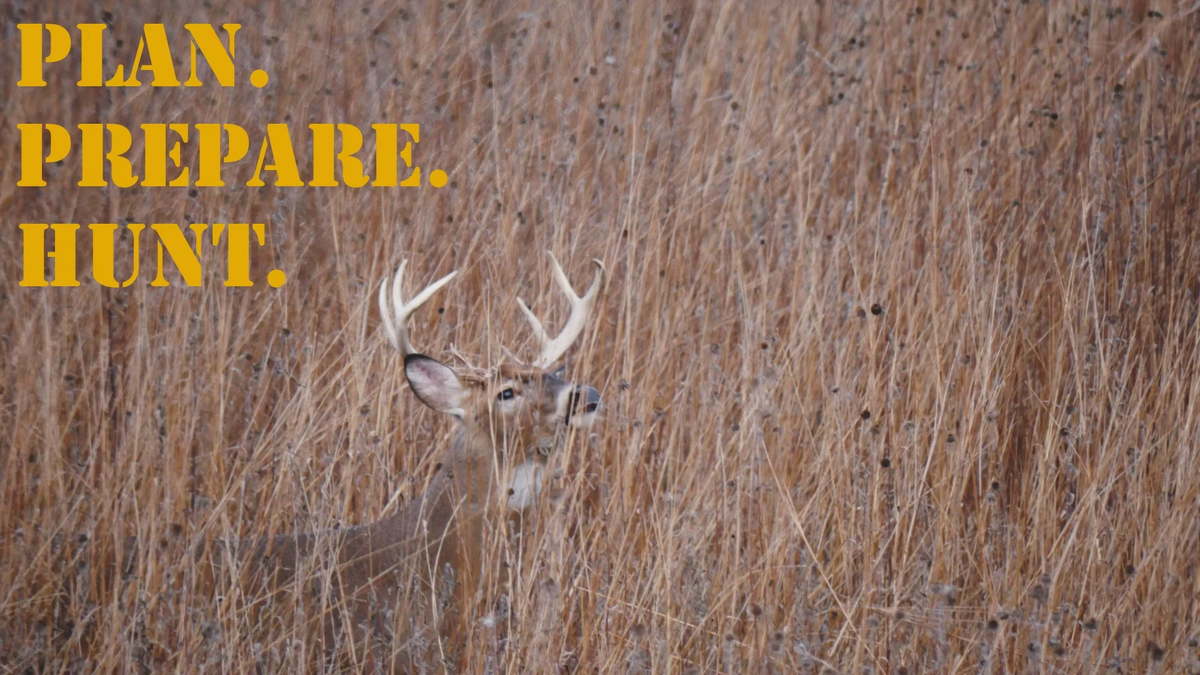
Whitetail deer populations have remained robust despite challenges such as habitat loss, urban expansion, and increasing interactions with human communities. However, overpopulation in some areas has led to issues such as crop damage, vehicle collisions, and the overbrowsing of vegetation, which can negatively impact ecosystems and other wildlife species. To address these challenges, conservation strategies focus on maintaining sustainable populations and fostering coexistence:
- Regulated Hunting:
- Sustainable hunting practices are carefully managed through seasonal restrictions and bag limits, which help control overpopulation while generating funding for conservation initiatives.
- Sustainable hunting practices are carefully managed through seasonal restrictions and bag limits, which help control overpopulation while generating funding for conservation initiatives.
- Habitat Management:
- Preservation and restoration programs focus on maintaining healthy forests, grasslands, and other vital habitats, ensuring adequate resources for whitetail deer and supporting biodiversity.
- Preservation and restoration programs focus on maintaining healthy forests, grasslands, and other vital habitats, ensuring adequate resources for whitetail deer and supporting biodiversity.
- Predator Reintroduction:
- Restoring natural predators such as wolves and cougars to certain regions helps regulate deer populations organically, creating healthier ecosystems and reducing human-deer conflicts.
- Restoring natural predators such as wolves and cougars to certain regions helps regulate deer populations organically, creating healthier ecosystems and reducing human-deer conflicts.
- Public Education and Outreach:
- Programs that educate the public about the ecological role of whitetail deer, as well as the importance of responsible wildlife management, encourage community involvement in conservation efforts.
- Programs that educate the public about the ecological role of whitetail deer, as well as the importance of responsible wildlife management, encourage community involvement in conservation efforts.
- Urban Wildlife Strategies:
- In areas where deer overlap with suburban or urban environments, strategies such as safe road crossings, fencing, and controlled fertility programs are implemented to reduce conflicts and ensure safe coexistence.
- In areas where deer overlap with suburban or urban environments, strategies such as safe road crossings, fencing, and controlled fertility programs are implemented to reduce conflicts and ensure safe coexistence.
Thanks to these combined efforts, whitetail deer populations continue to flourish as a testament to the success of wildlife management and conservation initiatives. By addressing challenges and adapting strategies to meet regional needs, we can ensure that whitetail deer thrive while maintaining balance within their ecosystems.
Fun Facts about Whitetail Deer
- Whitetail deer can sprint up to 30 miles per hour and leap as high as 10 feet in the air to evade predators.
- The white underside of their tail, which they raise like a flag when alarmed, serves as a warning signal to other deer.
- Bucks shed their antlers every winter and regrow a larger, more elaborate set during the following summer.
- Fawns are born with around 300 white spots on their coat, which help them blend seamlessly into dappled sunlight for camouflage.
- Whitetail deer have a keen sense of smell, capable of detecting predators or humans from over half a mile away.
Closing Thoughts: The Legacy of Whitetail Deer
Whether you're a passionate hunter, dedicated conservationist, or simply someone who admires these graceful creatures from afar, whitetail deer symbolize the beauty and resilience of North America's wildlife. They deserve our continued respect and care, and there are many ways we can contribute to their future:
- Support Sustainable Hunting Practices:
- Ethical hunting ensures that populations remain balanced and ecosystems stay healthy.
- Ethical hunting ensures that populations remain balanced and ecosystems stay healthy.
- Prioritize Habitat Conservation:
- Protecting forests, grasslands, and wetlands is key to maintaining the diverse environments whitetails rely on.
- Protecting forests, grasslands, and wetlands is key to maintaining the diverse environments whitetails rely on.
- Champion Responsible Wildlife Management:
- Collaborate with organizations and local communities to reduce conflicts and promote coexistence.
- Collaborate with organizations and local communities to reduce conflicts and promote coexistence.
The next time you catch sight of a whitetail bounding away with its signature tail flashing, pause to appreciate not only its beauty but also its significance as an enduring icon of North America's wilderness. Together, we can safeguard their legacy for future generations to admire and celebrate.
Last updated February 2026
Sources
U.S. Forest Service - Research & Development
Disclaimer: This content is provided for informational and entertainment purposes only. It may include personal opinions, user-generated input, or material created with the assistance of AI tools, and is not intended as professional advice of any kind. Tier 1 Sportsmen does not guarantee the accuracy, completeness, or reliability of any information provided. Always verify any hunting, safety, gear, or health-related information with qualified experts, and check all local laws and regulations before participating in any hunting activity. This site may contain copyrighted material, the use of which has not always been specifically authorized by the copyright owner. We believe that this constitutes a ‘fair use’ of the material in accordance with Title 17 U.S.C. Section 107. For full details, please review our Disclaimer, TOS, & Privacy Policy.