Introduction
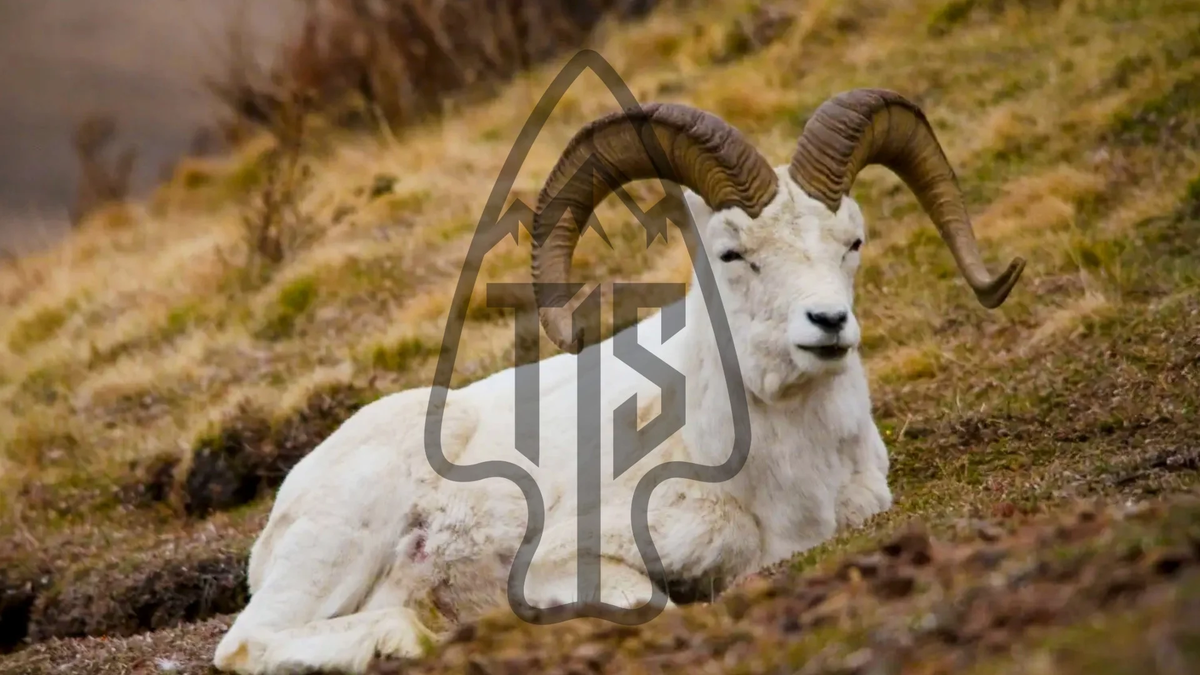
The Thinhorn Sheep (Ovis dalli) is a remarkable species of wild sheep that thrives in the rugged, remote mountain ranges of North America. Known for their impressive agility, striking coats, and ability to survive in harsh alpine conditions, these sheep are a symbol of resilience and wilderness. Whether you're a wildlife enthusiast, a hunter, or a conservationist, learning about the Thinhorn Sheep offers insight into one of North America's most fascinating ungulates.
Want to know more?
Start a Free Account Here!
A Brief History of the Thinhorn Sheep
Thinhorn Sheep have roamed the mountains of western North America for thousands of years, adapting to life in extreme environments. They have played a significant role in Indigenous cultures, providing food, clothing, and tools made from their bones and horns. As European settlers expanded westward, hunting and habitat changes led to population declines, but conservation efforts have since helped stabilize their numbers.
The Unique Physical Traits of Thinhorn Sheep
Check out the Target ID Slides, created to help you succeed in the field!
Thinhorn Sheep are easily distinguished by their unique features:
- Size:
- Males (rams) weigh between 160 and 250 pounds, while females (ewes) are smaller, around 100 to 150 pounds.
- Males (rams) weigh between 160 and 250 pounds, while females (ewes) are smaller, around 100 to 150 pounds.
- Horns:
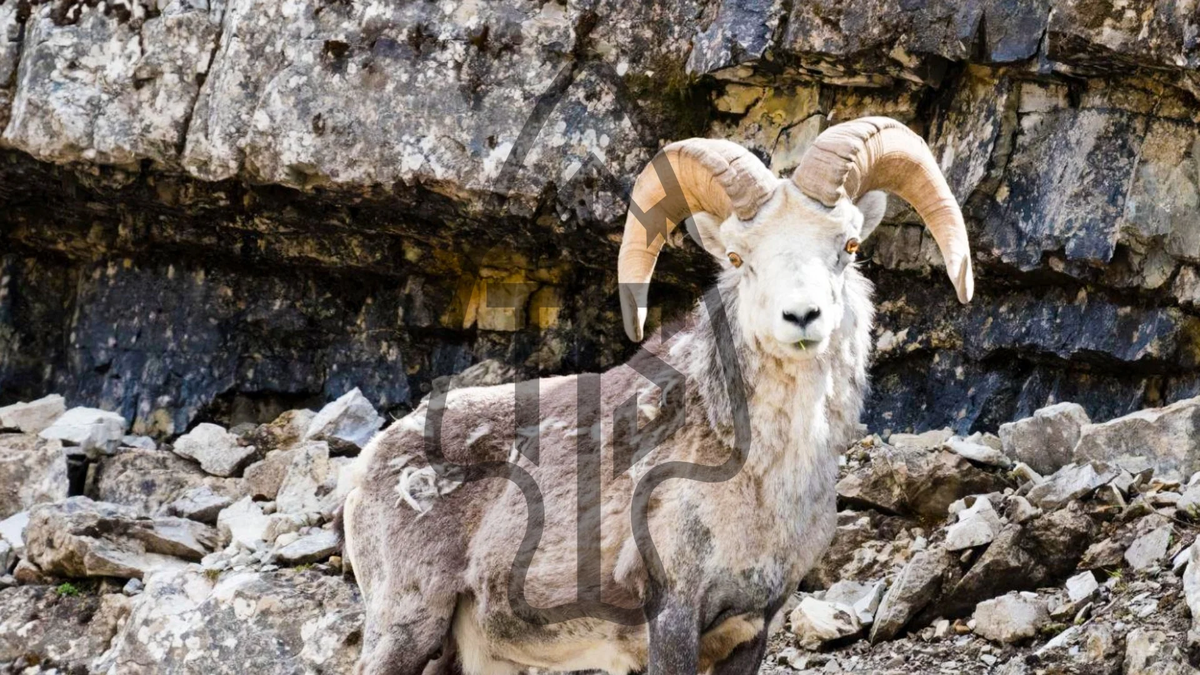
- Both rams and ewes have curved horns, but rams’ horns are much larger, curling around their heads in an impressive spiral.
- Both rams and ewes have curved horns, but rams’ horns are much larger, curling around their heads in an impressive spiral.
- Coat Variations:
- Their coat color varies by subspecies and region, ranging from pure white to dark brown.
- Their coat color varies by subspecies and region, ranging from pure white to dark brown.
- Adaptations:
- Their strong hooves and keen eyesight help them navigate rocky cliffs and detect predators from a distance.
- Their strong hooves and keen eyesight help them navigate rocky cliffs and detect predators from a distance.
Meet the family: Subspecies of Thinhorn Sheep
Sign up or log in to see the HVT Intel Reports for the below Species!
Dall Sheep (Ovis dalli dalli)
A high-alpine specialist of Alaska and northwestern Canada, the Dall Sheep inhabits steep, rocky mountains where visibility and escape terrain are critical for survival. Known for its striking white coat and tightly curled horns, it is built for cold climates and sheer cliffs. Agile, wary, and mountain-hardened, the Dall Sheep stands as one of North America’s most iconic and challenging high-country ungulates.
Fannin Sheep (Ovis dalli fannini)
A unique color-phase of North American wild sheep, the Fannin Sheep inhabits the rugged mountains of the Yukon and northern British Columbia. Often displaying a striking blend of white, gray, and dark brown in its coat, it bridges the visual characteristics of Dall and Stone sheep. Agile, wary, and high-country adapted, the Fannin Sheep represents the remote and wild peaks of Canada’s northern ranges.
Stone Sheep (Ovis dalli stonei)
Native to the rugged mountains of northern British Columbia and southern Yukon, the Stone Sheep is distinguished by its dark gray to charcoal coat and contrasting white muzzle and rump patch. Built for steep alpine terrain, it relies on elevation and open visibility for protection. Agile, wary, and mountain-hardened, the Stone Sheep is one of North America’s most striking and sought-after high-country wild sheep.
Check out the Tier 1 Sportsmen YouTube!
Diet: What Do Thinhorn Sheep Eat?
Check out the Recon Slides, created to help you succeed in the field!
Thinhorn sheep are resilient herbivores, well-adapted to the scarce vegetation of their mountainous environment:
- Summer Diet:
- Their nutrition primarily comes from grasses, sedges, leaves, and shrubs, which flourish during the warmer months.
- Their nutrition primarily comes from grasses, sedges, leaves, and shrubs, which flourish during the warmer months.
- Winter Diet:
- As snow covers much of their habitat, lichens, mosses, and any exposed vegetation become essential food sources for survival.
- As snow covers much of their habitat, lichens, mosses, and any exposed vegetation become essential food sources for survival.
- Feeding Adaptations:
- Equipped with a specialized digestive system, thinhorn sheep efficiently extract nutrients from tough alpine plants, enabling them to thrive in some of the most nutrient-poor environments on Earth.
- Equipped with a specialized digestive system, thinhorn sheep efficiently extract nutrients from tough alpine plants, enabling them to thrive in some of the most nutrient-poor environments on Earth.
These feeding habits and adaptations underscore their remarkable ability to endure and flourish in challenging and remote terrains.
The Social Traits and Behavior of Thinhorn Sheep
Check out the Recon Slides, created to help you succeed in the field!
Thinhorn sheep display remarkable social behaviors that are finely tuned to their survival in rugged mountain environments:
- Herd Dynamics:
- Ewes and their lambs form cohesive groups for protection and cooperation, while rams typically separate into bachelor herds until the breeding season.
- Ewes and their lambs form cohesive groups for protection and cooperation, while rams typically separate into bachelor herds until the breeding season.
- Dominance Battles:
- Rams engage in powerful head-butting contests, colliding with tremendous force to establish dominance and earn mating rights, often creating dramatic spectacles.
- Rams engage in powerful head-butting contests, colliding with tremendous force to establish dominance and earn mating rights, often creating dramatic spectacles.
- Mating Season (Rut):
- Occurring in late autumn, the rut sees dominant rams mate with multiple ewes, ensuring the strongest genes are passed to the next generation.
- Occurring in late autumn, the rut sees dominant rams mate with multiple ewes, ensuring the strongest genes are passed to the next generation.
- Predator Evasion:
- Thinhorn sheep rely on their extraordinary agility and surefootedness, scaling steep cliffs and rugged terrain to evade predators such as wolves, bears, and golden eagles.
- Thinhorn sheep rely on their extraordinary agility and surefootedness, scaling steep cliffs and rugged terrain to evade predators such as wolves, bears, and golden eagles.
These social and defensive behaviors highlight the adaptability and resilience of thinhorn sheep, enabling them to thrive in some of the most challenging and remote habitats on Earth.
The Diverse Range of Thinhorn Sheep
Check out the Theater Intel Reports, created to help you get in the field!
Thinhorn sheep are exceptional survivors, thriving in remote, mountainous regions where steep and rugged terrain provides both essential food sources and natural protection. Their range includes:
- Alaska:
- Dominated by populations of Dall sheep, which are adapted to the state's harsh and expansive alpine environments.
- Dominated by populations of Dall sheep, which are adapted to the state's harsh and expansive alpine environments.
- Yukon and Northwest Territories:
- A habitat shared by Dall sheep and the rarer Fannin sheep, showcasing diverse ecosystems and elevations.
- A habitat shared by Dall sheep and the rarer Fannin sheep, showcasing diverse ecosystems and elevations.
- British Columbia:
- Primarily home to Stone sheep, with occasional mixed populations in this province's varied mountain landscapes.
- Primarily home to Stone sheep, with occasional mixed populations in this province's varied mountain landscapes.
These elusive game animals prefer elevated, rocky landscapes that grant them a significant advantage in escaping predators like Wolves and golden eagles, cementing their reputation as one of North America's most challenging and prized wildlife species to observe.
Balancing the Scales: Thinhorn Sheep Populations and Conservation Strategies
Check out the Theater Intel Reports, created to help you get in the field!
Despite their remarkable adaptability to rugged environments, thinhorn sheep face significant challenges that jeopardize their survival:
- Habitat Fragmentation:
- Human activities like mining, road construction, and development interrupt migration routes and degrade natural habitats.
- Human activities like mining, road construction, and development interrupt migration routes and degrade natural habitats.
- Disease Risks:
- The transmission of pneumonia from domestic sheep to wild populations poses a severe and often fatal threat.
- The transmission of pneumonia from domestic sheep to wild populations poses a severe and often fatal threat.
- Hunting Pressure:
- While regulated hunting contributes to conservation funding, careful management is essential to prevent population declines caused by overharvesting.
- While regulated hunting contributes to conservation funding, careful management is essential to prevent population declines caused by overharvesting.
Proactive efforts are helping to safeguard thinhorn sheep and their habitats:
- Establishment of Protected Areas:
- National and provincial parks provide vital refuge for stable, undisturbed populations.
- National and provincial parks provide vital refuge for stable, undisturbed populations.
- Regulated Hunting Practices:
- Strict quotas and ethical guidelines ensure sustainable harvest levels while supporting conservation goals.
- Strict quotas and ethical guidelines ensure sustainable harvest levels while supporting conservation goals.
- Disease Prevention Initiatives:
- Programs focus on minimizing contact between domestic sheep and wild populations to reduce the risk of outbreaks.
- Programs focus on minimizing contact between domestic sheep and wild populations to reduce the risk of outbreaks.
- Research and Population Monitoring:
- Scientists track population trends, study genetic diversity, and inform strategies to address emerging threats.
- Scientists track population trends, study genetic diversity, and inform strategies to address emerging threats.
By continuing these efforts, we can ensure the survival of thinhorn sheep as an integral part of North America's alpine ecosystems.
Fun Facts about Thinhorn Sheep
- Thinhorn sheep are expert climbers, effortlessly navigating steep cliffs and rocky terrain to evade predators.
- Rams can charge at speeds of up to 20 miles per hour during head-butting contests to establish dominance.
- Their coats are specially adapted to withstand frigid alpine temperatures, keeping them warm even in extreme conditions.
- Thinhorn sheep have exceptional eyesight, allowing them to spot predators or rivals from great distances across rugged landscapes.
- Stone sheep and Dall sheep are two distinct subspecies, with the former boasting darker coats and inhabiting different ranges.
Closing Thoughts: The Legacy of Thinhorn Sheep
Become a better hunter and contribute to conservation!
Thinhorn sheep embody the wild spirit of North America, exemplifying strength, resilience, and an unparalleled ability to thrive in the harshest mountain landscapes. Their continued survival, however, hinges on the success of conservation efforts that harmonize habitat protection, responsible hunting, and rigorous scientific research. Whether you are a hunter, conservationist, or outdoor enthusiast, there are impactful ways to contribute:
- Support Conservation Programs:
- Help protect the critical alpine habitats that thinhorn sheep depend on.
- Help protect the critical alpine habitats that thinhorn sheep depend on.
- Promote Sustainable Hunting:
- Advocate for ethical and regulated practices to maintain balanced, healthy populations.
- Advocate for ethical and regulated practices to maintain balanced, healthy populations.
- Raise Public Awareness:
- Highlight the challenges facing wild sheep and the importance of their ecosystems to inspire action.
- Highlight the challenges facing wild sheep and the importance of their ecosystems to inspire action.
- Invest in Scientific Research:
- Back studies that focus on preventing disease outbreaks and mitigating habitat loss.
- Back studies that focus on preventing disease outbreaks and mitigating habitat loss.
By uniting our efforts, we can ensure that thinhorn sheep continue to roam the rugged peaks of North America's wilderness, preserving their legacy for generations to come.
Last updated February 2026
Sources
U.S. Forest Service - Research & Development
Disclaimer: This content is provided for informational and entertainment purposes only. It may include personal opinions, user-generated input, or material created with the assistance of AI tools, and is not intended as professional advice of any kind. Tier 1 Sportsmen does not guarantee the accuracy, completeness, or reliability of any information provided. Always verify any hunting, safety, gear, or health-related information with qualified experts, and check all local laws and regulations before participating in any hunting activity. This site may contain copyrighted material, the use of which has not always been specifically authorized by the copyright owner. We believe that this constitutes a ‘fair use’ of the material in accordance with Title 17 U.S.C. Section 107. For full details, please review our Disclaimer, TOS, & Privacy Policy.