Introduction
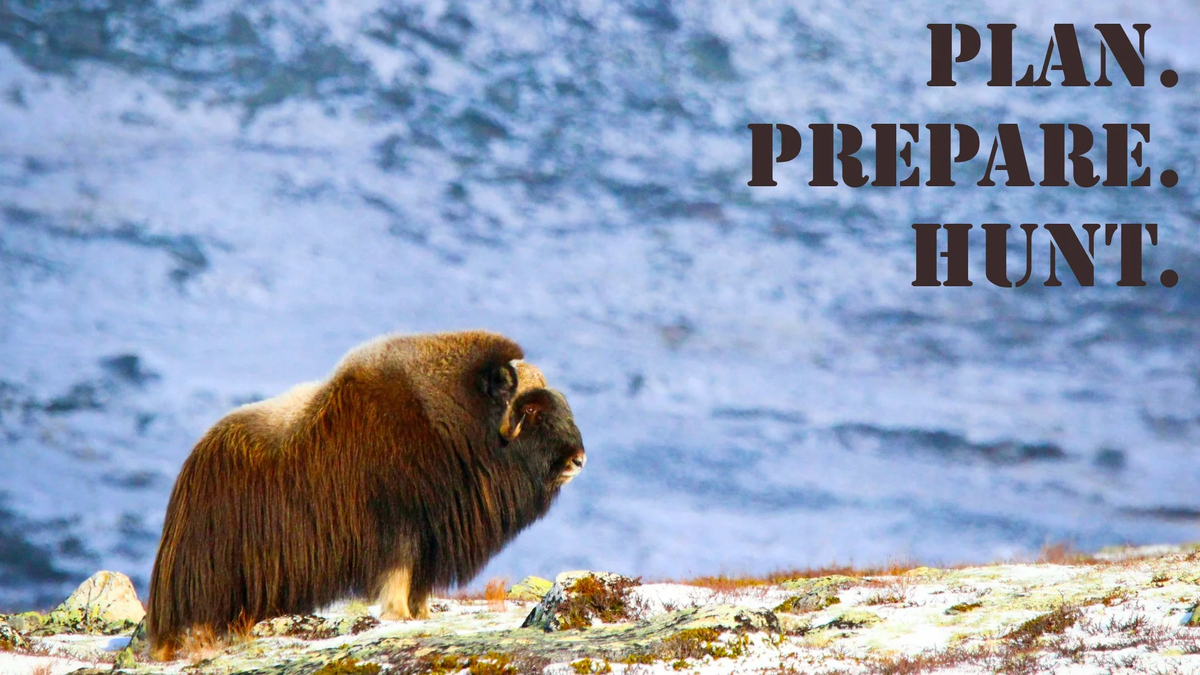
The muskox (Ovibos moschatus) is a shaggy, prehistoric-looking mammal that roams the frozen tundras of the Arctic. Known for its thick coat, curved horns, and ability to survive in extreme conditions, the muskox is a fascinating symbol of resilience. Whether you’re a wildlife enthusiast, a hunter, or a conservationist, learning about the muskox provides insight into the challenges of Arctic life and the importance of conservation efforts.
A Brief History of the Muskox
Muskoxen have a long history, dating back to the Ice Age when they roamed alongside mammoths and saber-toothed cats. These ancient bovines once thrived across North America, Europe, and Asia. However, due to climate changes and human hunting, their populations declined, with some disappearing entirely from certain regions. Fortunately, conservation efforts and reintroduction programs have helped restore muskox populations in some areas, ensuring their continued survival.
The Unique Physical Traits of the Muskoxen
Muskoxen are built for Arctic survival, with unique adaptations that set them apart:
- Size:
- Adults weigh between 400 and 900 pounds, with males being larger than females.
- Adults weigh between 400 and 900 pounds, with males being larger than females.
- Height:
- Muskoxen stand about 4 to 5 feet tall at the shoulder.
- Muskoxen stand about 4 to 5 feet tall at the shoulder.
- Horns:
- Both males and females have curved, thick horns that help in defense and dominance battles.
- Both males and females have curved, thick horns that help in defense and dominance battles.
- Coat:
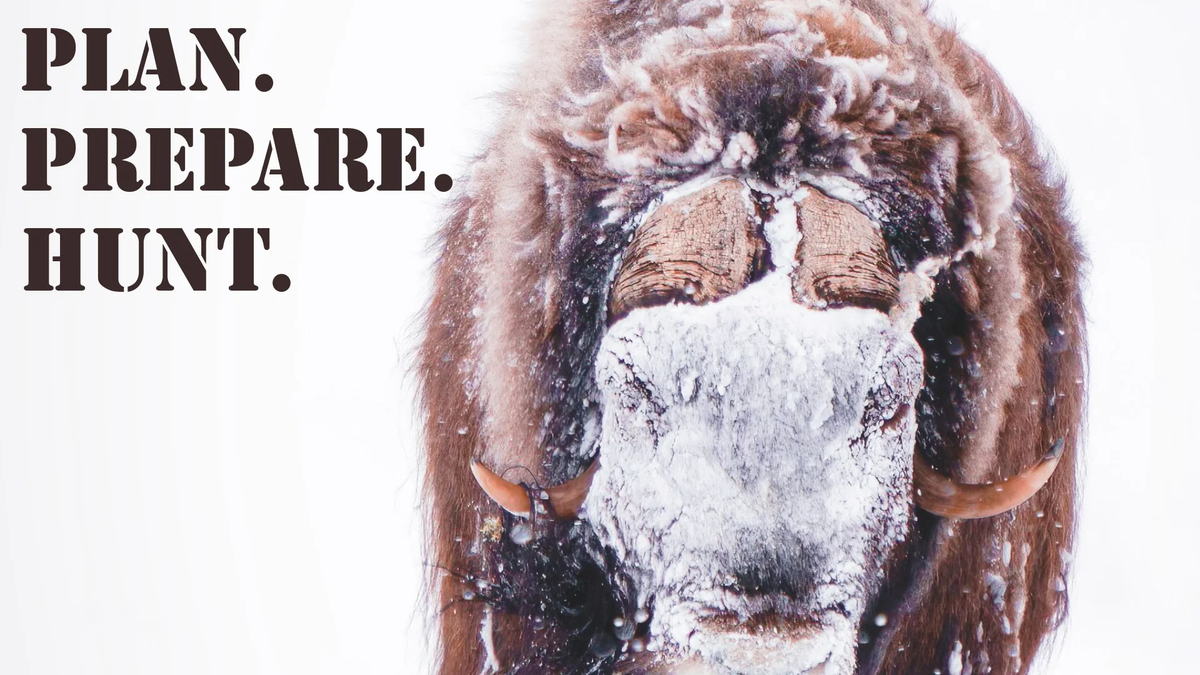
- Their long, shaggy outer coat (guard hairs) and a dense undercoat (qiviut) provide insulation against the extreme cold.
- Their long, shaggy outer coat (guard hairs) and a dense undercoat (qiviut) provide insulation against the extreme cold.
- Short Legs:
- Their sturdy, short legs help them navigate deep snow and rugged terrain.
- Their sturdy, short legs help them navigate deep snow and rugged terrain.
Meet the family: Subspecies of Muskox
Barren-Ground Muskox (Ovibos moschatus moschatus)
A relic of the Ice Age, the Barren-Ground Muskox roams the Arctic tundra of northern Canada and Greenland, enduring some of the harshest climates on Earth. Stocky and powerfully built, it carries a long, shaggy coat and curved horns used for defense against predators. Feeding on sedges, grasses, and willows, it survives brutal winters through tight herd formations and extreme cold adaptation—an enduring icon of the Arctic wilderness.
Barren-Ground Muskox (Ovibos moschatus moschatus)
A relic of the Ice Age, the Barren-Ground Muskox roams the Arctic tundra of northern Canada and Greenland, enduring some of the harshest climates on Earth. Stocky and powerfully built, it carries a long, shaggy coat and curved horns used for defense against predators. Feeding on sedges, grasses, and willows, it survives brutal winters through tight herd formations and extreme cold adaptation—an enduring icon of the Arctic wilderness.
Check out the Tier 1 Sportsmen YouTube!
Diet: What Do Muskox Eat?
Muskoxen, as herbivores, have evolved to thrive on the sparse vegetation of the Arctic tundra, adapting their diet to the seasonal availability of plants:
- Summer Diet:
- During the warmer months, they feed on grasses, sedges, mosses, and vibrant Arctic wildflowers that flourish in the short growing season.
- During the warmer months, they feed on grasses, sedges, mosses, and vibrant Arctic wildflowers that flourish in the short growing season.
- Winter Diet:
- When snow blankets the tundra, muskoxen rely on lichens, twigs, and roots, digging through thick snow to uncover these essential food sources.
- When snow blankets the tundra, muskoxen rely on lichens, twigs, and roots, digging through thick snow to uncover these essential food sources.
- Feeding Adaptations:
- Their strong, sharp hooves are perfectly suited for scraping away snow and ice, enabling them to access hidden vegetation.
- Their strong, sharp hooves are perfectly suited for scraping away snow and ice, enabling them to access hidden vegetation.
Despite the extreme cold and limited resources of their environment, muskoxen have developed remarkable efficiency in extracting nutrients, enabling them to endure and thrive in one of the harshest climates on Earth.
The Social Traits and Behavior of Muskoxen
Unlike solitary species like Moose, muskoxen are remarkably social animals, forming tight-knit herds that are central to their survival:
- Herd Size:
- Muskoxen typically gather in groups of 10 to 30 individuals, though larger herds may form during winter for added security and warmth.
- Muskoxen typically gather in groups of 10 to 30 individuals, though larger herds may form during winter for added security and warmth.
- Dominance Battles:
- Bulls engage in fierce contests for supremacy, charging and headbutting one another with incredible force, creating dramatic displays of strength and resilience.
- Bulls engage in fierce contests for supremacy, charging and headbutting one another with incredible force, creating dramatic displays of strength and resilience.
- Defense Mechanisms:
- When faced with predators such as wolves or bears, muskoxen form a defensive circle, positioning their horns outward to protect the vulnerable young at the center.
- When faced with predators such as wolves or bears, muskoxen form a defensive circle, positioning their horns outward to protect the vulnerable young at the center.
- Mating Season (Rut):
- Occurring in late summer, the rut sees dominant bulls assert their status by mating with multiple females, ensuring strong genetic lines within the herd.
- Occurring in late summer, the rut sees dominant bulls assert their status by mating with multiple females, ensuring strong genetic lines within the herd.
These behaviors underscore the muskoxen's social complexity and their ability to adapt collectively to the harsh Arctic environment.
The Diverse Range of Muskoxen
Muskoxen are uniquely adapted to thrive in the unforgiving Arctic tundra, enduring some of the coldest and harshest environments on Earth. They are found in:
- Northern Canada:
- Regions like Nunavut, the Northwest Territories, and Yukon serve as strongholds for wild populations.
- Regions like Nunavut, the Northwest Territories, and Yukon serve as strongholds for wild populations.
- Greenland:
- Home to both wild and managed populations that coexist within its expansive tundra landscapes.
- Home to both wild and managed populations that coexist within its expansive tundra landscapes.
- Alaska:
- Reintroduced populations now flourish in select areas after previous extirpation.
- Reintroduced populations now flourish in select areas after previous extirpation.
- Siberia and Russia:
- Reintroduction efforts have successfully established muskoxen populations within these remote regions.
- Reintroduction efforts have successfully established muskoxen populations within these remote regions.
Renowned for their resilience, muskoxen survive in barren, frigid landscapes that challenge even the hardiest of creatures, securing their place among the Arctic’s most remarkable mammals.
Balancing the Scales: Muskox Populations and Conservation Strategies
Muskox populations are vulnerable to a variety of environmental and human-induced threats:
- Climate Change:
- Warming temperatures disrupt Arctic ecosystems, reducing food availability and increasing the risk of diseases.
- Warming temperatures disrupt Arctic ecosystems, reducing food availability and increasing the risk of diseases.
- Predation:
- Wolves pose the greatest predation threat, primarily targeting calves and weaker adults, which can impact population growth.
- Wolves pose the greatest predation threat, primarily targeting calves and weaker adults, which can impact population growth.
- Hunting Pressure:
- While traditional hunting sustains Indigenous communities, unregulated hunting has historically caused severe declines in muskox populations.
- While traditional hunting sustains Indigenous communities, unregulated hunting has historically caused severe declines in muskox populations.
- Habitat Disruption:
- Human activities, such as resource extraction and infrastructure development, can fragment and degrade muskox habitats, limiting their range.
- Human activities, such as resource extraction and infrastructure development, can fragment and degrade muskox habitats, limiting their range.
Despite these challenges, targeted conservation initiatives have made significant progress in supporting muskox populations:
- Reintroduction Programs:
- Efforts to reintroduce muskoxen have successfully restored populations to areas like Alaska, Siberia, and other Arctic regions where they were previously extinct.
- Efforts to reintroduce muskoxen have successfully restored populations to areas like Alaska, Siberia, and other Arctic regions where they were previously extinct.
- Protected Areas:
- National parks and reserves provide crucial safe havens, safeguarding muskoxen from habitat loss and human disturbance.
- National parks and reserves provide crucial safe havens, safeguarding muskoxen from habitat loss and human disturbance.
- Sustainable Hunting Practices:
- Indigenous-led conservation programs promote ethical hunting practices that balance cultural traditions with population sustainability.
- Indigenous-led conservation programs promote ethical hunting practices that balance cultural traditions with population sustainability.
- Scientific Research and Monitoring:
- Ongoing studies focus on tracking population trends, health, and habitat use, offering valuable insights to inform effective conservation strategies.
- Ongoing studies focus on tracking population trends, health, and habitat use, offering valuable insights to inform effective conservation strategies.
Through continued efforts to address these challenges and strengthen conservation measures, muskoxen can persist as resilient icons of the Arctic, thriving in one of the planet’s most extreme environments.
Fun Facts about Muskox
- Muskoxen have an incredible double-layered coat, with their soft underwool called qiviut being one of the warmest and most luxurious natural fibers in the world.
- Despite their massive size, muskoxen are agile and can reach speeds of up to 25 miles per hour when fleeing predators.
- Their name "muskox" comes from the strong, musky odor produced by males during the rutting season to attract females.
- Muskoxen are among the oldest surviving species, having roamed the Arctic tundra since the Ice Age, over 10,000 years ago.
- These social animals are known for their defensive "circle formation," where they create a protective barrier with their horns to shield their calves from predators.
Closing Thoughts: The Legacy of Muskoxen
Muskoxen, resilient relics of the Ice Age, are a testament to the endurance of Arctic wildlife. Yet, they face mounting challenges that demand urgent attention and conservation efforts. Whether you’re a hunter, conservationist, or wildlife enthusiast, your actions can make a lasting difference:
- Support Conservation Organizations:
- Contribute to groups dedicated to protecting fragile Arctic habitats and ensuring the survival of muskoxen.
- Contribute to groups dedicated to protecting fragile Arctic habitats and ensuring the survival of muskoxen.
- Promote Sustainable Hunting:
- Encourage ethical hunting practices to maintain balanced and healthy populations.
- Encourage ethical hunting practices to maintain balanced and healthy populations.
- Raise Public Awareness:
- Educate others about the vital role muskoxen play in Arctic ecosystems and the importance of their conservation.
- Educate others about the vital role muskoxen play in Arctic ecosystems and the importance of their conservation.
By working together, we can help ensure that these iconic, shaggy survivors of the Arctic tundra continue to thrive for generations to come.
Last updated February 2026
Sources
U.S. Forest Service - Research & Development
Disclaimer: This content is provided for informational and entertainment purposes only. It may include personal opinions, user-generated input, or material created with the assistance of AI tools, and is not intended as professional advice of any kind. Tier 1 Sportsmen does not guarantee the accuracy, completeness, or reliability of any information provided. Always verify any hunting, safety, gear, or health-related information with qualified experts, and check all local laws and regulations before participating in any hunting activity. This site may contain copyrighted material, the use of which has not always been specifically authorized by the copyright owner. We believe that this constitutes a ‘fair use’ of the material in accordance with Title 17 U.S.C. Section 107. For full details, please review our Disclaimer, TOS, & Privacy Policy.