Introduction
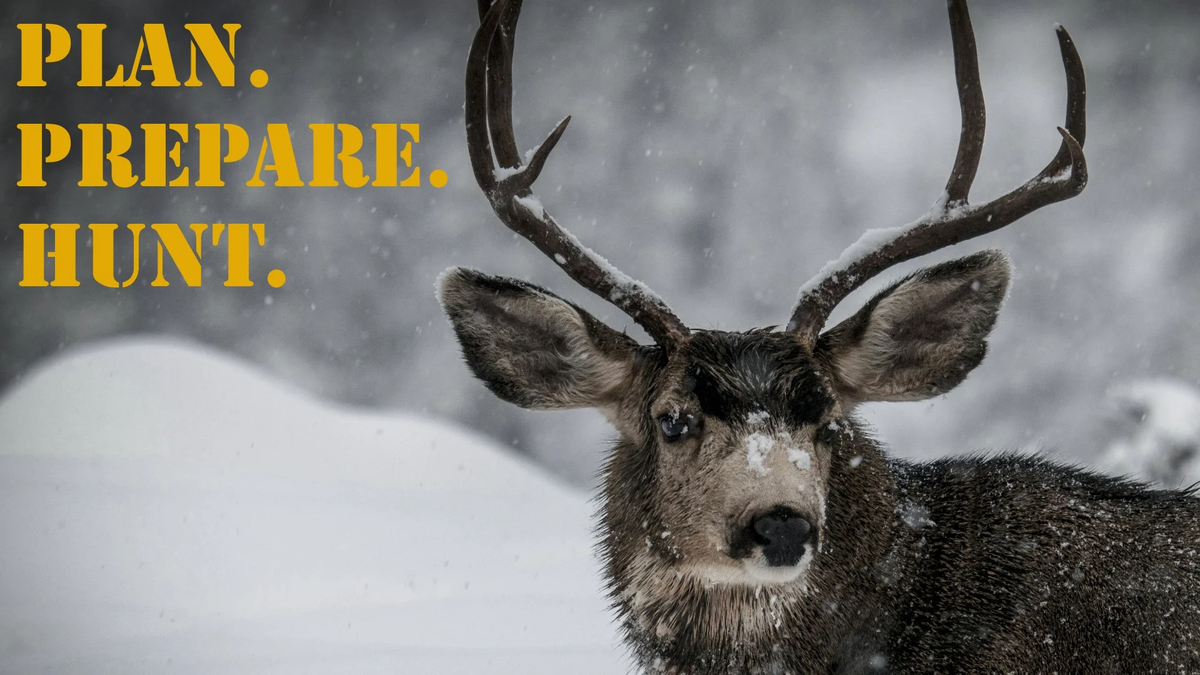
Mule deer (Odocoileus hemionus) are synonymous with the rugged, sprawling landscapes of western North America. With their signature large, mule-like ears and graceful bounding gait, they’re a favorite among hunters, wildlife enthusiasts, and conservationists alike. Whether you’re tracking a trophy buck or simply admiring a doe grazing at dawn, mule deer captivate with their unique charm and survival instincts. Let’s dive into their fascinating story—from ancient origins to modern challenges.
A Brief History of the Mule Deer
Mule deer have roamed North America for thousands of years, with fossils tracing their lineage back to the Pleistocene era. They belong to the Cervidae family, sharing ancestry with White-tailed deer, Elk, and Moose. Once thriving alongside mammoths and saber-toothed cats, mule deer have adapted over millennia to the diverse habitats of the western United States, Canada, and parts of Mexico.
The Unique Physical Traits of the Mule Deer
Mule deer stand out with their distinct features and rugged build:
- Size:
- Bucks typically weigh between 150 and 300 pounds, while does are smaller, averaging 100 to 150 pounds.
- Bucks typically weigh between 150 and 300 pounds, while does are smaller, averaging 100 to 150 pounds.
- Ears:
- Their iconic large ears move independently, providing keen hearing.
- Their iconic large ears move independently, providing keen hearing.
- Antlers:
- Males sport impressive branching antlers that fork as they grow, unlike the single main beam of white-tailed deer.
- Males sport impressive branching antlers that fork as they grow, unlike the single main beam of white-tailed deer.
- Coat:
- Their grayish-brown coat provides camouflage against rocky terrain and arid landscapes.
- Their grayish-brown coat provides camouflage against rocky terrain and arid landscapes.
- Gait:
- Known for their “stotting” or bounding leaps, mule deer can cover ground with powerful, springy movements.
- Known for their “stotting” or bounding leaps, mule deer can cover ground with powerful, springy movements.
Meet the family: Subspecies of Mule Deer
Crooki Mule Deer (Odocoileus hemionus crooki)
A subspecies of mule deer native to the high deserts and foothills of northern Mexico and southwestern United States, the Crooki Mule Deer is adapted to arid, rugged terrain. Medium-sized with characteristic mule-like ears and bifurcated antlers, it thrives on sparse shrubs, grasses, and desert forbs. Alert, hardy, and elusive, the Crooki Mule Deer represents the resilience of desert and semi-arid ecosystems.
Desert Mule Deer (Odocoileus hemionus eremicus)
A heat- and drought-adapted subspecies, the Desert Mule Deer inhabits arid mountains, canyons, and desert plains of the American Southwest and northern Mexico. Leaner and smaller than high-country mule deer, it survives on sparse shrubs, grasses, and seasonal forbs, relying on water-efficient foraging strategies. Elusive, resilient, and agile, the Desert Mule Deer is a defining species of North America’s harsh desert landscapes.
Rocky Mountain Mule Deer (Odocoileus hemionus hemionus)
A hallmark ungulate of the American West, the Rocky Mountain Mule Deer inhabits forests, alpine meadows, sagebrush basins, and rugged foothills throughout the Rockies. Known for its large, mule-like ears and bifurcated antlers, it is highly agile and adapted to steep, rocky terrain. Alert, resilient, and migratory, the Rocky Mountain Mule Deer is one of North America’s most recognized and sought-after big-game species.
Tiburon Island Mule Deer (Odocoileus hemionus sheldoni)
Endemic to Tiburon Island in the Gulf of California, this rare mule deer subspecies is adapted to arid island conditions, including limited water and sparse desert vegetation. Smaller and more compact than mainland mule deer, it feeds on cacti, shrubs, and desert grasses. Elusive, hardy, and highly specialized, the Tiburon Island Mule Deer is a unique symbol of island wildlife and desert survival.
Check out the Tier 1 Sportsmen YouTube!
Diet: What Do Mule Deer Eat?
Mule deer are highly adaptable herbivores, feeding on a diverse array of plants that change with the seasons and their habitat:
- Spring and Summer:
- A diet rich in lush grasses, vibrant flowering plants, and forbs provides ample nutrients during the growing season.
- A diet rich in lush grasses, vibrant flowering plants, and forbs provides ample nutrients during the growing season.
- Fall:
- Mule deer shift to berries, acorns, and mast crops to build energy reserves for the colder months.
- Mule deer shift to berries, acorns, and mast crops to build energy reserves for the colder months.
- Winter:
- During periods of scarcity, they rely on twigs, sagebrush, and hardy woody vegetation to sustain themselves.
- During periods of scarcity, they rely on twigs, sagebrush, and hardy woody vegetation to sustain themselves.
As ruminants, mule deer have a specialized digestive system with a multi-chambered stomach, allowing them to chew cud and efficiently process tough plant material. Opportunistic by nature, mule deer make the most of whatever vegetation is available, showcasing their resilience in even the harshest environments.
The Social Traits and Behavior of Mule Deer
Mule deer exhibit fascinating social behaviors and adapt their activity patterns to maximize survival:
- Crepuscular Activity:
- These deer are most active during dawn and dusk, avoiding the midday heat and reducing exposure to predators.
- These deer are most active during dawn and dusk, avoiding the midday heat and reducing exposure to predators.
- Group Dynamics:
- Typically, mule deer form small groups—does with their fawns stay together for safety, while bucks gather in bachelor herds outside of the breeding season.
- Typically, mule deer form small groups—does with their fawns stay together for safety, while bucks gather in bachelor herds outside of the breeding season.
- Rutting Season:
- During the rut, males become solitary and display heightened aggression as they compete for mates, altering their usually social tendencies.
- During the rut, males become solitary and display heightened aggression as they compete for mates, altering their usually social tendencies.
- Antler Sparring:
- Bucks engage in dramatic battles, using their antlers to clash with rivals, demonstrating strength and dominance in pursuit of mating rights.
- Bucks engage in dramatic battles, using their antlers to clash with rivals, demonstrating strength and dominance in pursuit of mating rights.
These behaviors highlight the adaptability and seasonal complexity of mule deer, allowing them to navigate challenges in their environments.
The Diverse Range of Mule Deer
Mule deer are remarkably versatile, thriving across a wide range of habitats, each offering unique resources:
- Montane Forests:
- They inhabit aspen groves, coniferous woodlands, and alpine meadows, taking advantage of diverse vegetation and cover.
- They inhabit aspen groves, coniferous woodlands, and alpine meadows, taking advantage of diverse vegetation and cover.
- Deserts:
- Sagebrush flats and rugged rocky outcrops serve as essential habitats, providing both food and shelter in arid conditions.
- Sagebrush flats and rugged rocky outcrops serve as essential habitats, providing both food and shelter in arid conditions.
- Grasslands and Prairies:
- Open expanses with limited tree cover are ideal for grazing while offering visibility to detect predators.
- Open expanses with limited tree cover are ideal for grazing while offering visibility to detect predators.
- Coastal Ranges:
- Mixed forests and shrublands create rich feeding grounds and protective environments.
- Mixed forests and shrublands create rich feeding grounds and protective environments.
Mule deer have an extensive range, stretching from the coastal regions of the Pacific Northwest across the Rocky Mountains, and as far south as Mexico. In mountainous areas, they exhibit seasonal migrations, moving to lower elevations during the winter and returning to higher summer grazing grounds when conditions improve. This adaptability underscores their resilience and ability to flourish in diverse ecosystems.
Balancing the Scales: Mule Deer Populations and Conservation Strategies
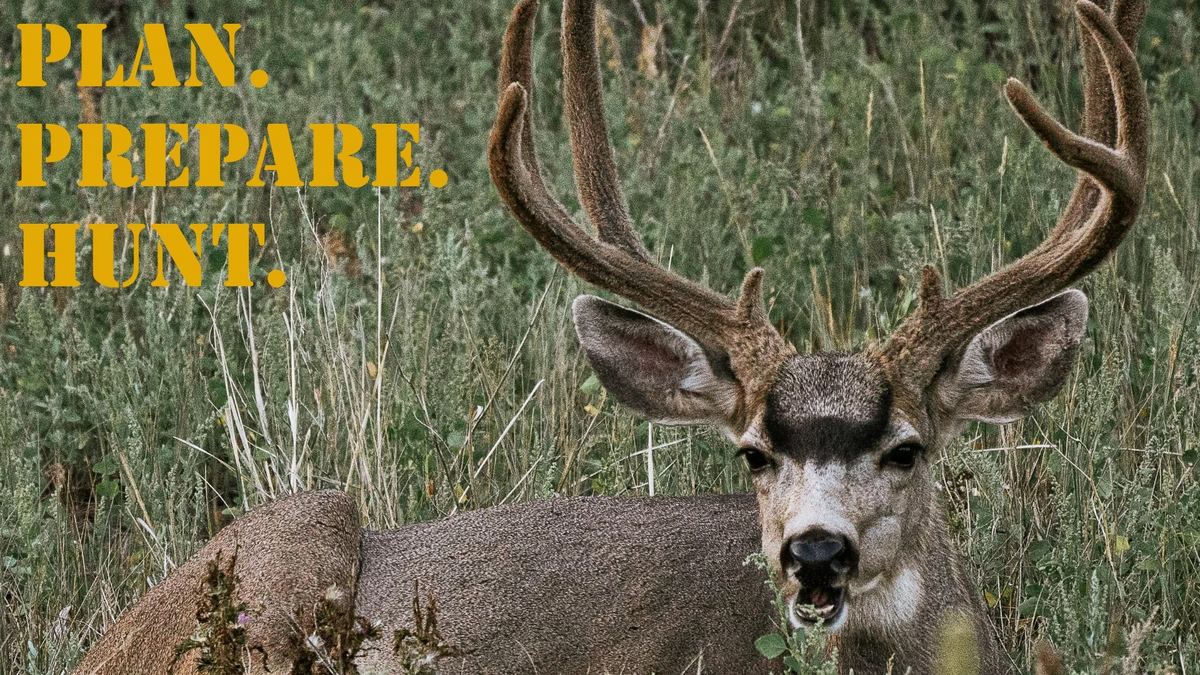
Mule deer populations present a mixed picture, with some regions maintaining stability while others experience significant declines due to key challenges:
- Habitat Loss:
- Expanding urban sprawl and agricultural developments continue to encroach on critical mule deer habitats, reducing their range and access to resources.
- Expanding urban sprawl and agricultural developments continue to encroach on critical mule deer habitats, reducing their range and access to resources.
- Predation Pressure:
- Natural predators such as Wolves and Cougars, combined with human hunting, exert a considerable impact on certain populations.
- Natural predators such as Wolves and Cougars, combined with human hunting, exert a considerable impact on certain populations.
- Disease Threats:
- Chronic Wasting Disease (CWD), a fatal and highly transmissible neurological disease, poses a growing concern for mule deer herds.
- Chronic Wasting Disease (CWD), a fatal and highly transmissible neurological disease, poses a growing concern for mule deer herds.
To address these issues, targeted conservation strategies have been developed:
- Habitat Restoration:
- Efforts focus on rehabilitating grasslands, migration corridors, and other critical habitats to support mule deer populations.
- Efforts focus on rehabilitating grasslands, migration corridors, and other critical habitats to support mule deer populations.
- Predator Management:
- Balanced approaches are implemented to ensure the survival of both mule deer and their natural predators within ecosystems.
- Balanced approaches are implemented to ensure the survival of both mule deer and their natural predators within ecosystems.
- Disease Research and Prevention:
- Scientists and wildlife organizations are prioritizing research into controlling the spread of CWD and understanding its long-term effects.
- Scientists and wildlife organizations are prioritizing research into controlling the spread of CWD and understanding its long-term effects.
- Collaborative Conservation Efforts:
- Groups like the Mule Deer Foundation play a pivotal role in preserving habitats, promoting sustainable hunting, and raising public awareness.
- Groups like the Mule Deer Foundation play a pivotal role in preserving habitats, promoting sustainable hunting, and raising public awareness.
Through ongoing conservation and management efforts, we can secure a future where mule deer continue to thrive across their natural range, contributing to the vitality of the ecosystems they call home.
Fun Facts about Mule Deer
- Big-Eared Detectives – Named for their large, mule-like ears, Mule Deer can swivel them independently to pick up even the faintest sounds of predators or other deer in the distance.
- High Jumpers and Fast Runners – They can leap up to 12 feet in a single bound and sprint at speeds exceeding 35 mph, making them challenging quarry in rugged terrain.
- Forked Antlers – Unlike White-tailed Deer, Mule Deer antlers branch in a “Y” shape rather than along a main beam, which is a key trait hunters use to identify mature bucks.
- Seasonal Travelers – Many populations of Mule Deer migrate seasonally, moving from high mountain ranges in the summer to lower deserts or valleys in the winter, demonstrating remarkable endurance.
- Strong Sense of Smell – Mule Deer rely heavily on their keen sense of smell to detect danger, find food, and communicate, often using scent to mark trails and alert other deer.
Closing Thoughts: The Legacy of Mule Deer
Whether you’re a hunter, conservationist, or admirer of wildlife, your efforts play a vital role in preserving mule deer and their habitats. Support conservation organizations dedicated to safeguarding their range, advocate for sustainable land-use practices that prioritize habitat protection, and participate in ethical, regulated hunting to help maintain balanced populations. By working together, we can ensure these iconic deer continue to thrive in the wild landscapes they’ve inhabited for generations.
Last updated February 2026
Sources
U.S. Forest Service - Research & Development
Disclaimer: This content is provided for informational and entertainment purposes only. It may include personal opinions, user-generated input, or material created with the assistance of AI tools, and is not intended as professional advice of any kind. Tier 1 Sportsmen does not guarantee the accuracy, completeness, or reliability of any information provided. Always verify any hunting, safety, gear, or health-related information with qualified experts, and check all local laws and regulations before participating in any hunting activity. This site may contain copyrighted material, the use of which has not always been specifically authorized by the copyright owner. We believe that this constitutes a ‘fair use’ of the material in accordance with Title 17 U.S.C. Section 107. For full details, please review our Disclaimer, TOS, & Privacy Policy.