Introduction
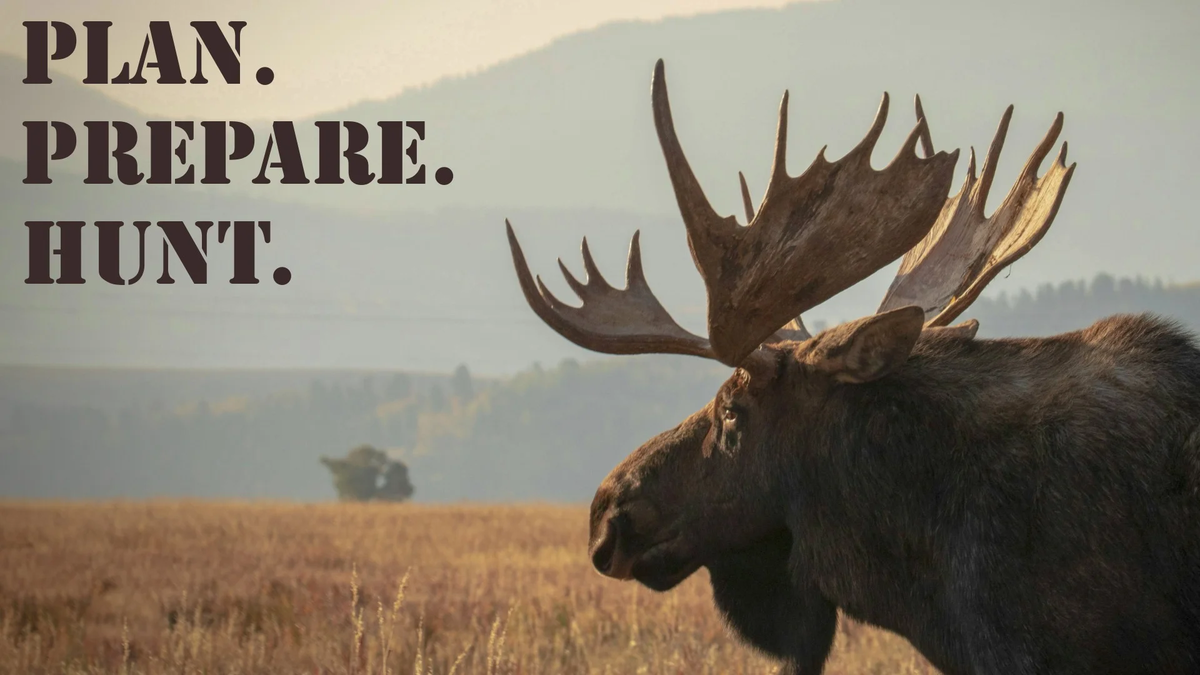
The moose (Alces alces), the largest member of the deer family, is a towering and awe-inspiring creature of the northern forests. With their distinctive antlers, long legs, and solitary nature, moose are an iconic symbol of the wilderness. Whether you’re a wildlife enthusiast, a hunter, or a conservationist, there’s no denying the moose’s fascinating role in the natural world.
A Brief History of the Moose
Moose have roamed the boreal forests and tundras of the Northern Hemisphere for thousands of years. They evolved from ancient deer-like ancestors and spread across North America, Europe, and Asia. Indigenous peoples revered moose for their size, strength, and ability to provide food, clothing, and tools. With the arrival of European settlers, moose populations declined due to hunting and habitat loss. However, conservation efforts have helped stabilize numbers in many regions.
The Unique Physical Traits of the Moose
Moose are unmistakable thanks to their massive size and unique features:
- Size:
- Adult males (bulls) weigh between 800 and 1,500 pounds, while females (cows) range from 600 to 1,000 pounds.
- Adult males (bulls) weigh between 800 and 1,500 pounds, while females (cows) range from 600 to 1,000 pounds.
- Height:
- Moose can stand 6 to 7 feet tall at the shoulder, making them the tallest deer species.
- Moose can stand 6 to 7 feet tall at the shoulder, making them the tallest deer species.
- Antlers:
- Only males grow broad, palmate antlers, which can span up to 6 feet across and weigh over 40 pounds.
- Only males grow broad, palmate antlers, which can span up to 6 feet across and weigh over 40 pounds.
- Long Legs:
- Their long, powerful legs allow them to move through deep snow and wade through water with ease.
- Their long, powerful legs allow them to move through deep snow and wade through water with ease.
- Dewlap (Bell):
- A flap of skin hanging from the throat, known as a bell, is more pronounced in males.
- A flap of skin hanging from the throat, known as a bell, is more pronounced in males.
- Fur:
- Thick, dark brown fur provides insulation against harsh winter temperatures.
- Thick, dark brown fur provides insulation against harsh winter temperatures.
Meet the family: Subspecies of Moose
Alaska–Yukon Moose (Alces alces gigas)
The largest moose subspecies in the world, the Alaska–Yukon Moose inhabits the boreal forests, river bottoms, and willow flats of Alaska and western Yukon. Towering in size with massive, wide-spread antlers, it thrives in cold climates and feeds heavily on willows, birch, and aquatic vegetation. Solitary, powerful, and cold-adapted, it stands as a true giant of North America’s northern wilderness.
Amur Moose (Alces alces cameloides)
A lesser-known Asian subspecies, the Amur Moose inhabits the remote forests and river valleys of eastern Siberia and the Russian Far East. Slightly smaller and more slender than western Eurasian moose, it carries narrower, elongated antlers and a dark, coarse coat suited to harsh winters. Solitary and resilient, the Amur Moose represents the quiet strength of Asia’s vast boreal wilderness.
Chukotka Moose (Alces alces buturlini)
A remote and cold-adapted subspecies, the Chukotka Moose inhabits the far northeastern reaches of Siberia, including the Chukotka Peninsula. Built for extreme Arctic conditions, it carries a heavy dark coat and broad, palmated antlers suited for navigating river valleys and sparse boreal forests. Solitary and resilient, it stands as one of the northernmost-ranging moose in the world.
Eastern Moose (Alces alces americana)
The most widespread moose subspecies in eastern North America, the Eastern Moose inhabits boreal forests, mixed hardwoods, wetlands, and river corridors from eastern Canada into the northeastern United States. Slightly smaller than its Alaska–Yukon counterpart, it carries broad, palmated antlers and a dark, heavy coat suited for cold climates. Solitary and adaptable, the Eastern Moose is a defining giant of the northern forest.
Eurasian Moose (Alces alces alces)
The nominate subspecies of moose, the Eurasian Moose ranges across Scandinavia, the Baltic states, and western Russia in vast boreal forests and wetlands. Large-bodied with broad, palmated antlers and a dark, heavy coat, it is well adapted to long winters and dense woodland cover. Solitary and wide-ranging, the Eurasian Moose stands as the dominant cervid of northern Europe’s wild landscapes.
Shiras Moose (Alces alces shirasi)
The smallest moose subspecies in North America, the Shiras Moose inhabits the high-elevation forests, willow bottoms, and mountain valleys of the northern Rockies. Compact yet powerfully built, it carries palmated antlers and a dark brown coat adapted to cold winters and steep terrain. Elusive and mountain-oriented, the Shiras Moose is a true symbol of the rugged backcountry of the American West.
Western Moose (Alces alces andersoni)
Occupying the boreal forests, muskegs, and river valleys of western Canada and parts of the northern United States, the Western Moose is a large, cold-adapted subspecies built for deep winters and remote terrain. Slightly smaller than the Alaska–Yukon moose but larger than many eastern populations, it carries broad palmated antlers and a dark, heavy coat. Powerful and solitary, it is a hallmark species of the northern interior wilderness.
Yakutia Moose (Alces alces pfizenmayeri)
Native to the vast forests and river valleys of eastern Siberia’s Yakutia region, the Yakutia Moose is adapted to some of the coldest inhabited areas on Earth. Large-bodied with broad, palmated antlers and a thick, dark winter coat, it thrives in boreal forests, wetlands, and tundra-edge habitats. Solitary and hardy, this moose is a key species of the remote Siberian wilderness.
Check out the Tier 1 Sportsmen YouTube!
Diet: What Do Moose Eat?
Moose are strict herbivores, with their diet adapting to seasonal changes and their need for immense caloric intake:
- Summer Diet:
- Moose feast on aquatic plants, leafy vegetation, willows, and birch, making the most of the lush greenery.
- Moose feast on aquatic plants, leafy vegetation, willows, and birch, making the most of the lush greenery.
- Winter Diet:
- When vegetation becomes scarce, they rely on bark, twigs, and shrubs to survive the colder months.
- When vegetation becomes scarce, they rely on bark, twigs, and shrubs to survive the colder months.
- Feeding Habits:
- As browsers, moose use their long, flexible snouts and prehensile lips to expertly strip leaves and twigs from trees and plants.
- As browsers, moose use their long, flexible snouts and prehensile lips to expertly strip leaves and twigs from trees and plants.
- Aquatic Plants:
- Remarkable swimmers, moose often dive into ponds and lakes to forage for nutrient-rich water vegetation.
- Remarkable swimmers, moose often dive into ponds and lakes to forage for nutrient-rich water vegetation.
To sustain their massive bodies, moose can consume up to 70 pounds of food daily, showcasing their adaptability and unique feeding behaviors.
The Social Traits and Behavior of the Moose
Moose are predominantly solitary creatures, distinguishing them from other deer species that often form herds. However, their behaviors shift throughout the year in fascinating ways:
- Breeding Season (Rut):
- During September and October, bulls engage in intense and dramatic antler battles to compete for mates, showcasing their strength and dominance.
- During September and October, bulls engage in intense and dramatic antler battles to compete for mates, showcasing their strength and dominance.
- Calving Season:
- In late spring, females give birth to one or two calves and display fierce maternal instincts, defending their young from predators such as bears and wolves.
- In late spring, females give birth to one or two calves and display fierce maternal instincts, defending their young from predators such as bears and wolves.
- Aggressive Behavior:
- Moose can exhibit surprising aggression, particularly during the rut or when protecting their calves, making them one of the most formidable animals in their habitat.
- Moose can exhibit surprising aggression, particularly during the rut or when protecting their calves, making them one of the most formidable animals in their habitat.
- Swimming Prowess:
- Despite their large size, moose are exceptional swimmers, often crossing lakes and rivers to access food sources, including aquatic vegetation.
- Despite their large size, moose are exceptional swimmers, often crossing lakes and rivers to access food sources, including aquatic vegetation.
These remarkable traits highlight the adaptability and resilience of moose, ensuring their survival in challenging environments.
The Diverse Range of Moose
Moose thrive in diverse and resource-rich environments, showcasing their adaptability and resilience. Their preferred habitats include:
- Forests:
- Dense coniferous and mixed woodlands offer abundant food and shelter for protection.
- Dense coniferous and mixed woodlands offer abundant food and shelter for protection.
- Swamps and Marshes:
- Vital summer feeding grounds are rich in aquatic vegetation.
- Vital summer feeding grounds are rich in aquatic vegetation.
- Mountains:
- High-altitude regions provide suitable habitats for some moose populations.
- High-altitude regions provide suitable habitats for some moose populations.
- Cold Climates:
- Their thick, insulating fur makes them perfectly suited to frigid temperatures and harsh winters.
- Their thick, insulating fur makes them perfectly suited to frigid temperatures and harsh winters.
These majestic animals are distributed across North America, Europe, and Asia, with significant populations found in:
- Canada and Alaska:
- Home to the largest moose populations in the world.
- Home to the largest moose populations in the world.
- Northern United States:
- Including Maine, Minnesota, Montana, Wyoming, and the Rocky Mountain region.
- Including Maine, Minnesota, Montana, Wyoming, and the Rocky Mountain region.
- Scandinavia and Russia:
- Known as Eurasian elk, moose are a familiar presence in the forests and tundras of these regions.
- Known as Eurasian elk, moose are a familiar presence in the forests and tundras of these regions.
This remarkable range illustrates the moose's ability to thrive in some of the world's most challenging environments.
Balancing the Scales: Moose Populations and Conservation Strategies
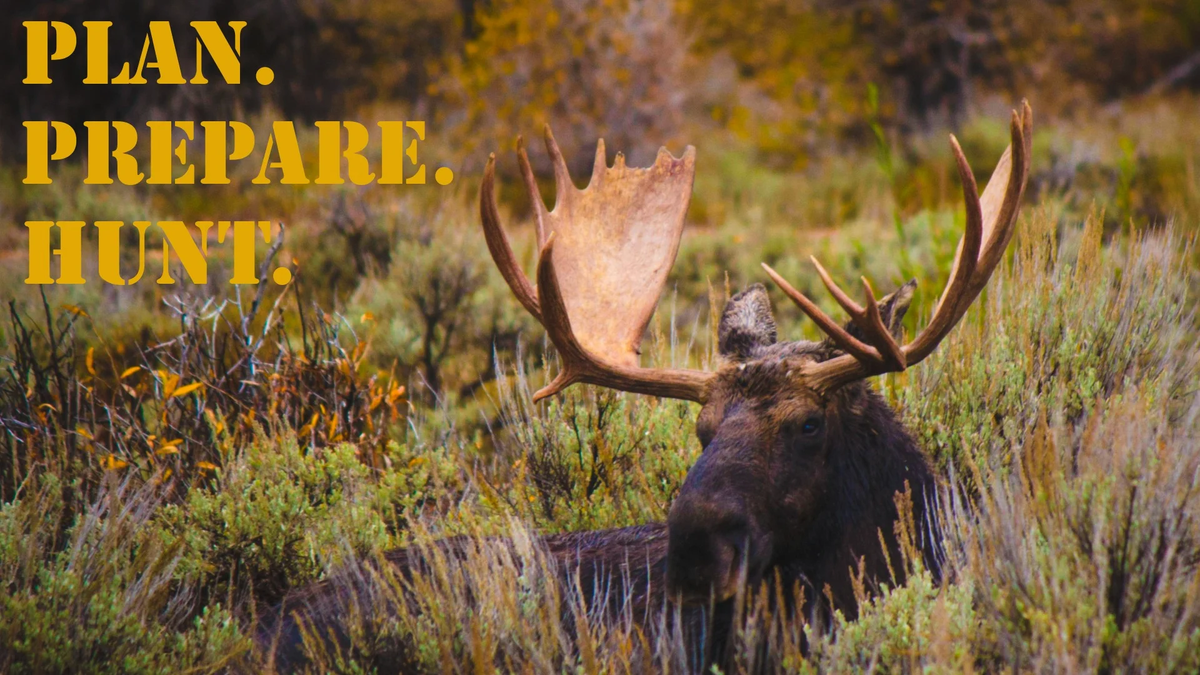
Moose populations are under threat from various environmental and human-related pressures:
- Habitat Loss:
- Expanding urban development, deforestation, and agricultural activities continue to shrink available moose habitats, fragmenting their range.
- Expanding urban development, deforestation, and agricultural activities continue to shrink available moose habitats, fragmenting their range.
- Climate Change:
- Rising temperatures lead to increased tick infestations, which can weaken moose, cause illness, and in severe cases, result in death.
- Rising temperatures lead to increased tick infestations, which can weaken moose, cause illness, and in severe cases, result in death.
- Predation:
- Natural predators like wolves and bears target vulnerable calves and occasionally weakened adults, limiting population growth in some areas.
- Natural predators like wolves and bears target vulnerable calves and occasionally weakened adults, limiting population growth in some areas.
- Hunting Pressure:
- While regulated hunting is generally sustainable, illegal poaching remains a problem in certain regions, threatening moose populations.
- While regulated hunting is generally sustainable, illegal poaching remains a problem in certain regions, threatening moose populations.
- Vehicle Collisions:
- Moose often wander onto roadways, posing significant risks both to themselves and drivers, particularly in areas with high traffic.
- Moose often wander onto roadways, posing significant risks both to themselves and drivers, particularly in areas with high traffic.
Proactive conservation measures are working to counter these challenges and stabilize moose populations:
- Protected Areas:
- National Parks and Wildlife Reserves provide critical safe zones for moose to thrive without the threat of habitat encroachment.
- National Parks and Wildlife Reserves provide critical safe zones for moose to thrive without the threat of habitat encroachment.
- Hunting Regulations:
- Strict laws and sustainable hunting practices ensure that moose populations remain balanced and healthy.
- Strict laws and sustainable hunting practices ensure that moose populations remain balanced and healthy.
- Research and Monitoring:
- Advanced tracking techniques and scientific studies give insights into population trends, threats, and effective conservation strategies.
- Advanced tracking techniques and scientific studies give insights into population trends, threats, and effective conservation strategies.
- Wildlife Corridors:
- Creating and preserving migration routes allows moose to move freely between seasonal ranges while minimizing human-wildlife conflicts.
- Creating and preserving migration routes allows moose to move freely between seasonal ranges while minimizing human-wildlife conflicts.
- Public Awareness Campaigns:
- Education initiatives help communities coexist safely with moose, promoting practices like securing waste and safe driving in moose habitats.
- Education initiatives help communities coexist safely with moose, promoting practices like securing waste and safe driving in moose habitats.
Through these targeted efforts, moose populations can be maintained and protected, preserving their role in ecosystems across their range.
Fun Facts about Moose
- Moose have long legs that allow them to walk through deep snow and wade into marshes with ease.
- Their antlers, which can span over six feet wide, are among the largest in the animal kingdom and shed annually.
- Moose can run at speeds of up to 35 miles per hour despite their massive size.
- They are excellent swimmers, capable of traveling several miles in the water and diving for aquatic plants.
- Moose rely on their keen sense of smell and hearing to navigate their environment, as their eyesight is relatively poor.
Closing Thoughts: The Legacy of Moose
Moose are iconic and vital members of the Wilderness, symbolizing the grandeur of nature, but their future depends on our collective efforts. Whether you're a hunter, wildlife enthusiast, or conservationist, there are meaningful steps you can take:
- Support Conservation Organizations:
- Contribute to groups dedicated to preserving moose habitats and safeguarding their populations.
- Contribute to groups dedicated to preserving moose habitats and safeguarding their populations.
- Advocate for Sustainable Practices:
- Champion ethical hunting and wildlife management to ensure healthy, balanced ecosystems.
- Champion ethical hunting and wildlife management to ensure healthy, balanced ecosystems.
- Practice Safe Driving:
- Exercise caution in moose-heavy areas to reduce the risk of road collisions that endanger both moose and drivers.
- Exercise caution in moose-heavy areas to reduce the risk of road collisions that endanger both moose and drivers.
- Educate and Inspire:
- Share knowledge about the ecological importance of moose to encourage widespread appreciation and protection.
- Share knowledge about the ecological importance of moose to encourage widespread appreciation and protection.
By uniting our efforts, we can guarantee that these gentle giants continue to roam the forests and wetlands, inspiring generations to come with their presence in the wild.
Last updated February 2026
Sources
U.S. Forest Service - Research & Development
Disclaimer: This content is provided for informational and entertainment purposes only. It may include personal opinions, user-generated input, or material created with the assistance of AI tools, and is not intended as professional advice of any kind. Tier 1 Sportsmen does not guarantee the accuracy, completeness, or reliability of any information provided. Always verify any hunting, safety, gear, or health-related information with qualified experts, and check all local laws and regulations before participating in any hunting activity. This site may contain copyrighted material, the use of which has not always been specifically authorized by the copyright owner. We believe that this constitutes a ‘fair use’ of the material in accordance with Title 17 U.S.C. Section 107. For full details, please review our Disclaimer, TOS, & Privacy Policy.