Introduction
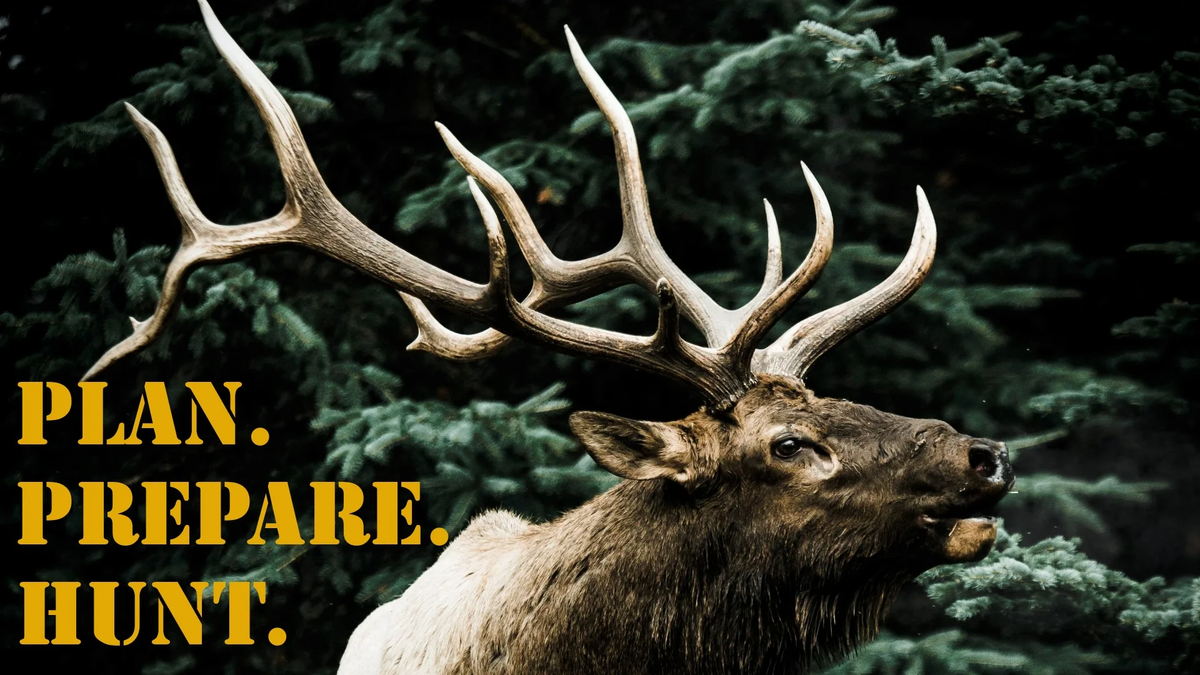
The elk (Cervus canadensis), also known as the wapiti, is one of the largest species in the deer family and a symbol of North America's vast wilderness. With their impressive antlers, haunting bugles, and adaptability, elk captivate hunters, conservationists, and wildlife enthusiasts alike. Whether you admire them for their beauty or appreciate their ecological importance, understanding elk enhances the appreciation for these magnificent animals and the efforts to conserve them.
A Brief History of the Elk
Elk once roamed much of North America, from the eastern woodlands to the Rocky Mountains and beyond. Native American tribes revered elk as a vital source of food, clothing, and tools, incorporating them into their traditions and stories. European settlers hunted them extensively, leading to severe population declines. However, thanks to conservation efforts, elk populations have rebounded in many areas, making them a true success story of wildlife management.
The Unique Physical Traits of Elk
Elk are large and powerful animals, with striking features that distinguish them from other deer species:
- Size:
- Adult bulls weigh between 600 and 1,100 pounds, while cows typically weigh 400 to 600 pounds.
- Adult bulls weigh between 600 and 1,100 pounds, while cows typically weigh 400 to 600 pounds.
- Antlers:
- Only males grow antlers, which can reach 4 feet in length and weigh over 40 pounds.
- Only males grow antlers, which can reach 4 feet in length and weigh over 40 pounds.
- Color:
- Elk coats change seasonally, appearing reddish-brown in summer and thicker, darker brown in winter.
- Elk coats change seasonally, appearing reddish-brown in summer and thicker, darker brown in winter.
- Neck Mane:
- Bulls have a distinctive dark shaggy mane around their necks, adding to their imposing presence.
- Bulls have a distinctive dark shaggy mane around their necks, adding to their imposing presence.
- Bugle Call:
- The iconic bugle of a bull elk during the rut (breeding season) is one of the most recognizable sounds in the wild.
- The iconic bugle of a bull elk during the rut (breeding season) is one of the most recognizable sounds in the wild.
Meet the family: Subspecies of Elk
Rocky Mountain Elk (Cervus canadensis nelsoni)
A flagship big-game species of the American West, the Rocky Mountain Elk inhabits high-country forests, aspen parks, sage basins, and alpine meadows throughout the Rockies. Large-bodied with sweeping antlers and a thunderous rutting bugle, it is both migratory and highly adaptable. Powerful, social, and resilient, the Rocky Mountain Elk remains one of North America’s most iconic and sought-after ungulates.
Roosevelt Elk (Cervus canadensis roosevelti)
The largest-bodied elk subspecies in North America, the Roosevelt Elk inhabits the dense temperate rainforests, coastal valleys, and river bottoms of the Pacific Northwest. Heavy-framed with strong, thick beams and broad antlers, it thrives in lush, wet environments. Social and resilient, the Roosevelt Elk is a defining species of the West Coast’s moss-covered forests and wild coastal ranges.
Tule Elk (Cervus canadensis nannodes)
Endemic to California, the Tule Elk is the smallest elk subspecies in North America and a remarkable conservation success story. Once reduced to near extinction, it now inhabits grasslands, marshes, and oak savannas across the state. Compact in build with relatively shorter antlers, it is well adapted to California’s varied landscapes. The Tule Elk stands as a living symbol of recovery and responsible wildlife management.
Check out the Tier 1 Sportsmen YouTube!
Diet: What Do Elk Eat?
Elk are herbivores with a highly seasonal diet, adapting their food intake to the changing availability of resources:
- Spring and Summer:
- Elk primarily feed on lush grasses, forbs, and leafy vegetation, taking advantage of the abundance during warmer months.
- Elk primarily feed on lush grasses, forbs, and leafy vegetation, taking advantage of the abundance during warmer months.
- Fall:
- Their diet shifts to shrubs, bark, and nutrient-rich acorns to help build the vital fat reserves needed for winter survival.
- Their diet shifts to shrubs, bark, and nutrient-rich acorns to help build the vital fat reserves needed for winter survival.
- Winter:
- With vegetation scarce, elk rely on woody plants and tree bark as their primary food sources.
- With vegetation scarce, elk rely on woody plants and tree bark as their primary food sources.
As ruminants, elk have a specialized digestive system with a multi-chambered stomach, allowing them to chew cud and extract maximum nutrients from even the toughest plant material. This adaptability ensures their survival across diverse environments and challenging seasons.
The Social Traits and Behavior of Elk
Elk are highly social creatures whose behaviors evolve throughout the year, reflecting their adaptability and survival strategies:
- Herd Formation:
- Female elk (cows) and their calves congregate in large groups for safety, while male elk (bulls) tend to live more solitary lives outside of the rutting season.
- Female elk (cows) and their calves congregate in large groups for safety, while male elk (bulls) tend to live more solitary lives outside of the rutting season.
- Rut Season:
- During the fall, bulls engage in fierce battles for dominance, using their impressive antlers to challenge rivals and secure mating opportunities.
- During the fall, bulls engage in fierce battles for dominance, using their impressive antlers to challenge rivals and secure mating opportunities.
- Bugling Calls:
- Bulls produce loud, resonant bugles that serve to attract mates, assert dominance, and warn competitors, creating an iconic sound of the wilderness.
- Bulls produce loud, resonant bugles that serve to attract mates, assert dominance, and warn competitors, creating an iconic sound of the wilderness.
- Seasonal Migration:
- Certain elk populations undertake lengthy migrations between summer grazing areas and winter ranges, showcasing their endurance and adaptability.
- Certain elk populations undertake lengthy migrations between summer grazing areas and winter ranges, showcasing their endurance and adaptability.
- Calving Behavior:
- In late spring, cows seek secluded spots to give birth, ensuring their vulnerable calves are protected from predators during their earliest days.
- In late spring, cows seek secluded spots to give birth, ensuring their vulnerable calves are protected from predators during their earliest days.
These complex social dynamics and behaviors highlight the elk's resilience and their ability to thrive in diverse habitats year-round.
The Diverse Range of Elk
Elk are remarkably adaptable animals, thriving in diverse habitats across North America and parts of Asia, including:
- Forests:
- Both coniferous and deciduous woodlands provide excellent cover and forage.
- Both coniferous and deciduous woodlands provide excellent cover and forage.
- Grasslands and Meadows:
- Open spaces rich in grasses and other vegetation are ideal grazing grounds.
- Open spaces rich in grasses and other vegetation are ideal grazing grounds.
- Mountainous Regions:
- Rugged terrains offer safety and access to high-quality food sources.
- Rugged terrains offer safety and access to high-quality food sources.
- Prairies and Foothills:
- Transitional areas support elk populations with a mix of vegetation and shelter.
- Transitional areas support elk populations with a mix of vegetation and shelter.
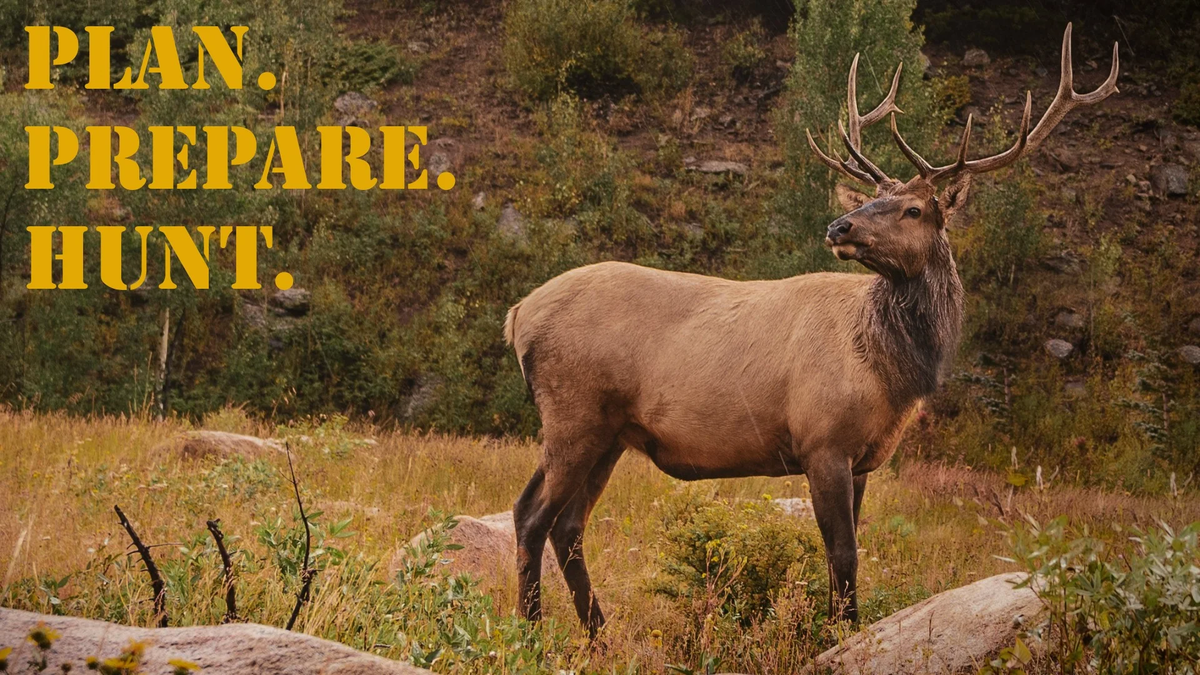
Their range spans iconic regions such as the Rocky Mountains, Pacific Northwest, Great Plains, and parts of the Appalachian region. Thanks to successful reintroduction programs, elk populations have been restored to areas where they were once extinct, allowing these majestic animals to reclaim their historical habitats and thrive once again.
Balancing the Scales: Elk Populations and Conservation Strategies
Elk populations have faced dramatic declines in certain regions due to a combination of historical and ongoing threats:
- Overhunting:
- During the 19th and early 20th centuries, unregulated hunting drastically reduced elk numbers, pushing some populations to the brink of extinction.
- During the 19th and early 20th centuries, unregulated hunting drastically reduced elk numbers, pushing some populations to the brink of extinction.
- Habitat Loss:
- Expanding urban areas and agricultural development have fragmented and diminished elk habitats, restricting their natural range.
- Expanding urban areas and agricultural development have fragmented and diminished elk habitats, restricting their natural range.
- Predation:
- Natural predators such as Wolves, bears, and Mountain Lions prey on elk calves and weakened adults, impacting population growth in some areas.
- Natural predators such as Wolves, bears, and Mountain Lions prey on elk calves and weakened adults, impacting population growth in some areas.
- Disease:
- Chronic Wasting Disease (CWD), a fatal neurological condition, continues to pose a serious threat to the health of elk herds.
- Chronic Wasting Disease (CWD), a fatal neurological condition, continues to pose a serious threat to the health of elk herds.
Despite these challenges, dedicated conservation efforts have achieved notable successes in restoring and protecting elk populations:
- Protected Areas:
- National parks like Yellowstone and other reserves serve as crucial refuges, providing secure habitats where elk populations can thrive.
- National parks like Yellowstone and other reserves serve as crucial refuges, providing secure habitats where elk populations can thrive.
- Hunting Regulations:
- Enforcing strict hunting laws and permits has promoted sustainable population management and reduced the risk of overharvesting.
- Enforcing strict hunting laws and permits has promoted sustainable population management and reduced the risk of overharvesting.
- Reintroduction Programs:
- States such as Kentucky, Pennsylvania, and Wisconsin have successfully reintroduced elk to regions where they were previously eradicated, restoring ecological balance.
- States such as Kentucky, Pennsylvania, and Wisconsin have successfully reintroduced elk to regions where they were previously eradicated, restoring ecological balance.
- Habitat Restoration:
- Conservation organizations are actively working to rehabilitate grasslands and create migration corridors, ensuring elk can safely move between seasonal ranges.
- Conservation organizations are actively working to rehabilitate grasslands and create migration corridors, ensuring elk can safely move between seasonal ranges.
Through continued efforts to address these challenges and expand conservation initiatives, elk populations can be safeguarded for future generations, maintaining their vital role in ecosystems across North America.
Fun Facts about Elk
- Elk antlers can grow up to an inch per day during peak growth, with mature bulls' antlers weighing up to 40 pounds.
- Male elk, or bulls, are known for their striking bugle calls, which can be heard from over a mile away during the rut.
- Elk are excellent swimmers and can cross rivers with ease, even with their large size.
- A single elk can consume up to 20 pounds of vegetation in a day to sustain its energy needs.
- Elk herds can range in size from a few individuals to over a hundred, depending on the season and location.
Closing Thoughts: The Legacy of Elk
Elk embody the untamed essence of North America’s wilderness, but their survival depends on collective action. Whether you're a hunter, conservationist, or nature enthusiast, there are impactful ways to contribute:
- Support Conservation Organizations:
- Partner with groups working tirelessly to preserve elk populations and their natural habitats.
- Partner with groups working tirelessly to preserve elk populations and their natural habitats.
- Advocate for Habitat Protection:
- Champion efforts to protect forests, grasslands, and migration corridors are crucial to elk survival.
- Champion efforts to protect forests, grasslands, and migration corridors are crucial to elk survival.
- Follow Ethical Hunting Practices:
- Adhere to regulations that promote sustainable hunting and population management.
- Adhere to regulations that promote sustainable hunting and population management.
- Raise Awareness:
- Share the importance of elk conservation to inspire others to take action.
- Share the importance of elk conservation to inspire others to take action.
Through ongoing conservation initiatives, we can ensure that future generations experience the awe of these majestic animals freely roaming the wild landscapes of North America.
Last updated February 2026
Sources
U.S. Forest Service - Research & Development
Disclaimer: This content is provided for informational and entertainment purposes only. It may include personal opinions, user-generated input, or material created with the assistance of AI tools, and is not intended as professional advice of any kind. Tier 1 Sportsmen does not guarantee the accuracy, completeness, or reliability of any information provided. Always verify any hunting, safety, gear, or health-related information with qualified experts, and check all local laws and regulations before participating in any hunting activity. This site may contain copyrighted material, the use of which has not always been specifically authorized by the copyright owner. We believe that this constitutes a ‘fair use’ of the material in accordance with Title 17 U.S.C. Section 107. For full details, please review our Disclaimer, TOS, & Privacy Policy.