Introduction
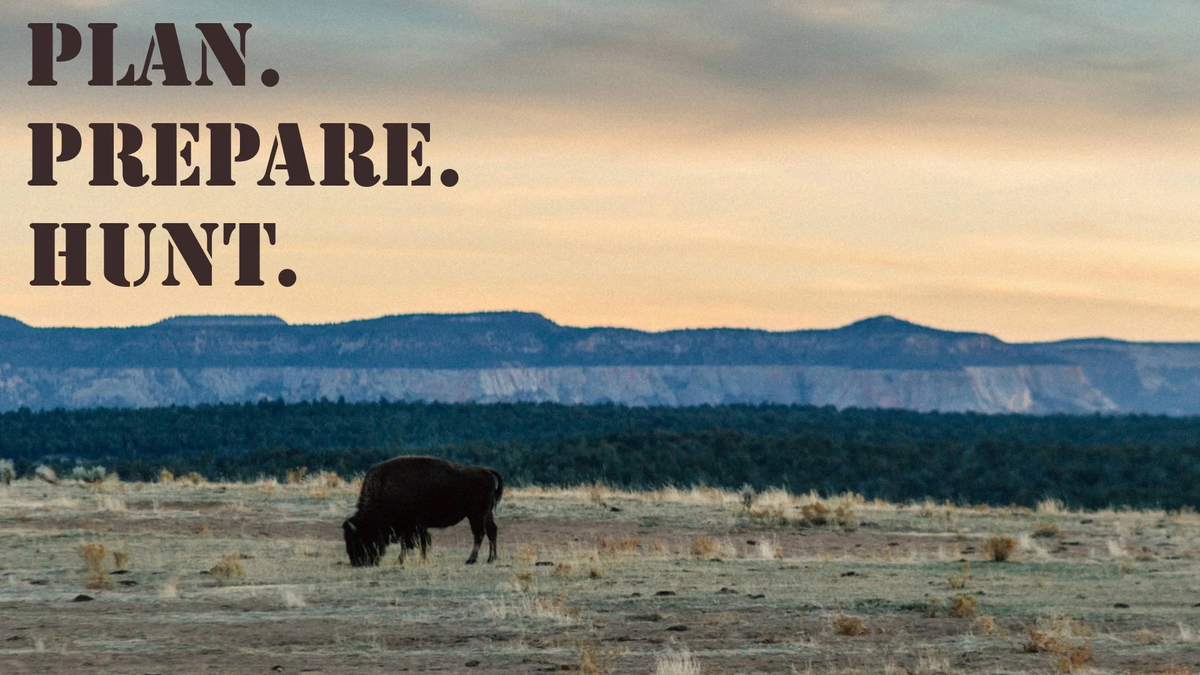
Few animals are as iconic to North America as the bison (Bison bison). These massive, shaggy beasts once thundered across the plains in herds millions strong, shaping ecosystems and indigenous cultures alike. Today, thanks to dedicated conservation efforts, the bison has made an incredible comeback from the brink of extinction. In this guide, we’ll explore their history, physical traits, behavior, habitat, range, subspecies, population trends, and conservation efforts.
A Brief History of the Bison
Bison have roamed North America for over 400,000 years, descendants of prehistoric relatives that crossed from Asia via the Bering Land Bridge. At their peak, an estimated 30-60 million bison covered the continent. However, by the late 1800s, intensive hunting, habitat destruction, and U.S. government policies nearly wiped them out. Fewer than 1,000 remained by the end of the 19th century.
Thanks to conservation efforts spearheaded by ranchers, Native American tribes, and organizations like the National Park Service, bison numbers have rebounded. Today, they are a powerful symbol of resilience and environmental restoration.
The Unique Physical Traits of the Bison
Bison, the largest land mammals in North America, are magnificently adapted to endure harsh climates and thrive in diverse ecosystems. Their standout features include:
- Imposing Size:
- Males (bulls) can reach colossal weights of up to 2,000 pounds, while females (cows) are slightly smaller, ranging between 900 and 1,200 pounds.
- Males (bulls) can reach colossal weights of up to 2,000 pounds, while females (cows) are slightly smaller, ranging between 900 and 1,200 pounds.
- Powerful Horns:
- Both bulls and cows have curved horns, which they use for defense against predators and dramatic dominance displays within herds.
- Both bulls and cows have curved horns, which they use for defense against predators and dramatic dominance displays within herds.
- Shoulder Hump:
- The massive hump over their shoulders provides extraordinary strength for pushing through snow and uncovering buried vegetation.
- The massive hump over their shoulders provides extraordinary strength for pushing through snow and uncovering buried vegetation.
- Seasonal Fur Adaptations:
- Thick, woolly coats offer bison protection from freezing temperatures in winter, shedding in summer to help them stay cool in warmer conditions.
- Thick, woolly coats offer bison protection from freezing temperatures in winter, shedding in summer to help them stay cool in warmer conditions.
- Exceptional Speed and Agility:
- Despite their enormous size, bison are surprisingly agile, capable of running at speeds up to 35 mph and leaping as high as 6 feet to escape threats or navigate obstacles.
- Despite their enormous size, bison are surprisingly agile, capable of running at speeds up to 35 mph and leaping as high as 6 feet to escape threats or navigate obstacles.
These incredible traits highlight the resilience and versatility of bison, securing their status as one of North America's most iconic and awe-inspiring wildlife species.
Meet the family: Subspecies of Bison
American Plains Bison (Bison bison bison)
Once the dominant grazer of North America’s Great Plains, the American Plains Bison roamed in vast herds across prairies, rolling grasslands, and sagebrush basins. Stocky, powerful, and deeply adapted to open country, it features a massive hump, sweeping horns, and a dense, protective coat. Resilient and iconic, the Plains Bison represents both the grandeur of America’s natural heritage and one of conservation’s greatest comeback stories.
American Wood Bison (Bison bison athabascae)
The largest land mammal in North America, the American Wood Bison inhabits the boreal forests and muskegs of Canada and parts of Alaska. Taller and heavier than Plains Bison, it has a massive square hump, darker shaggy coat, and longer legs suited for deep snow and marshy ground. Powerful, resilient, and cold-adapted, it stands as a symbol of the northern wilderness and ongoing conservation success.
European Bison (Bison bonasus)
Also known as the Wisent, the European Bison is the heaviest land mammal in Europe, roaming forested landscapes from the Carpathians to northeastern Poland and beyond. Taller and leaner than its American cousins, it carries a high, muscular shoulder hump and a dense, dark coat adapted to cold woodland climates. Once nearly extinct, the European Bison now stands as a powerful symbol of successful rewilding and Europe’s ancient forest heritage.
Check out the Tier 1 Sportsmen YouTube!
Diet: What Do Bison Eat?
Bison are herbivores with diets that not only sustain them but also play a vital role in maintaining the health of entire ecosystems. Their feeding habits include:
- Grasses and Sedges:
- The cornerstone of their diet consists of native prairie grasses and sedges, which provide essential nutrients and support their grazing lifestyle.
- The cornerstone of their diet consists of native prairie grasses and sedges, which provide essential nutrients and support their grazing lifestyle.
- Forbs and Shrubs:
- During certain seasons, bison browse on forbs, tree bark, and low-growing shrubs, diversifying their diet and adapting to available vegetation.
- During certain seasons, bison browse on forbs, tree bark, and low-growing shrubs, diversifying their diet and adapting to available vegetation.
- Snow Foraging:
- In winter, bison display remarkable foraging behavior by using their massive heads and powerful necks to plow through snow, uncovering grass hidden beneath.
- In winter, bison display remarkable foraging behavior by using their massive heads and powerful necks to plow through snow, uncovering grass hidden beneath.
- Water Needs
- While bison drink water regularly, they are capable of enduring dry periods by extracting moisture from the plants they consume, an essential survival strategy in drought-prone regions.
- While bison drink water regularly, they are capable of enduring dry periods by extracting moisture from the plants they consume, an essential survival strategy in drought-prone regions.
Their feeding habits not only help maintain their strength and resilience but also contribute to ecosystem balance by promoting plant regeneration and nutrient cycling.
The Social Traits and Behavior of the Bison
Bison are remarkable animals with intricate social structures and fascinating seasonal behaviors that highlight their adaptability and resilience:
- Herd Dynamics:
- Females (cows) and their calves form large, cooperative herds that offer protection and social bonding. Males (bulls), on the other hand, tend to roam alone or form small bachelor groups, except during mating season.
- Females (cows) and their calves form large, cooperative herds that offer protection and social bonding. Males (bulls), on the other hand, tend to roam alone or form small bachelor groups, except during mating season.
- Mating Season (Rut):
- During the rut, bulls display their strength and dominance through head-butting battles and deep, resonating bellows. These dramatic contests determine which males earn the right to mate.
- During the rut, bulls display their strength and dominance through head-butting battles and deep, resonating bellows. These dramatic contests determine which males earn the right to mate.
- Calving Season:
- In the spring, cows give birth to calves, affectionately called “red dogs” due to their reddish coats. These newborns are incredibly resilient—they can stand and run within hours of birth, a vital survival skill in the wild.
- In the spring, cows give birth to calves, affectionately called “red dogs” due to their reddish coats. These newborns are incredibly resilient—they can stand and run within hours of birth, a vital survival skill in the wild.
- Dust Bathing:
- A signature behavior is for them to roll in dirt patches, known as wallows, to cool off, repel parasites, and mark their territory, making this both a practical and social activity.
- A signature behavior is for them to roll in dirt patches, known as wallows, to cool off, repel parasites, and mark their territory, making this both a practical and social activity.
These behaviors not only showcase the intelligence and social complexity of bison but also play a crucial role in their survival across diverse environments.
The Diverse Range of Bison
Once roaming vast territories from Alaska to Mexico, bison were icons of the North American wilderness. Today, their range has diminished, but they continue to thrive in key areas:
- National Parks and Reserves:
- Protected landscapes such as Yellowstone, Badlands, and Canada’s Wood Buffalo National Park serve as strongholds for wild bison populations.
- Protected landscapes such as Yellowstone, Badlands, and Canada’s Wood Buffalo National Park serve as strongholds for wild bison populations.
- Native American Lands:
- Tribal-led conservation efforts have played a crucial role in restoring herds, emphasizing their cultural and ecological significance.
- Tribal-led conservation efforts have played a crucial role in restoring herds, emphasizing their cultural and ecological significance.
- Private Ranches and Reserves:
- Many ranchers maintain herds for conservation purposes and sustainable agriculture, helping to preserve their legacy.
- Many ranchers maintain herds for conservation purposes and sustainable agriculture, helping to preserve their legacy.
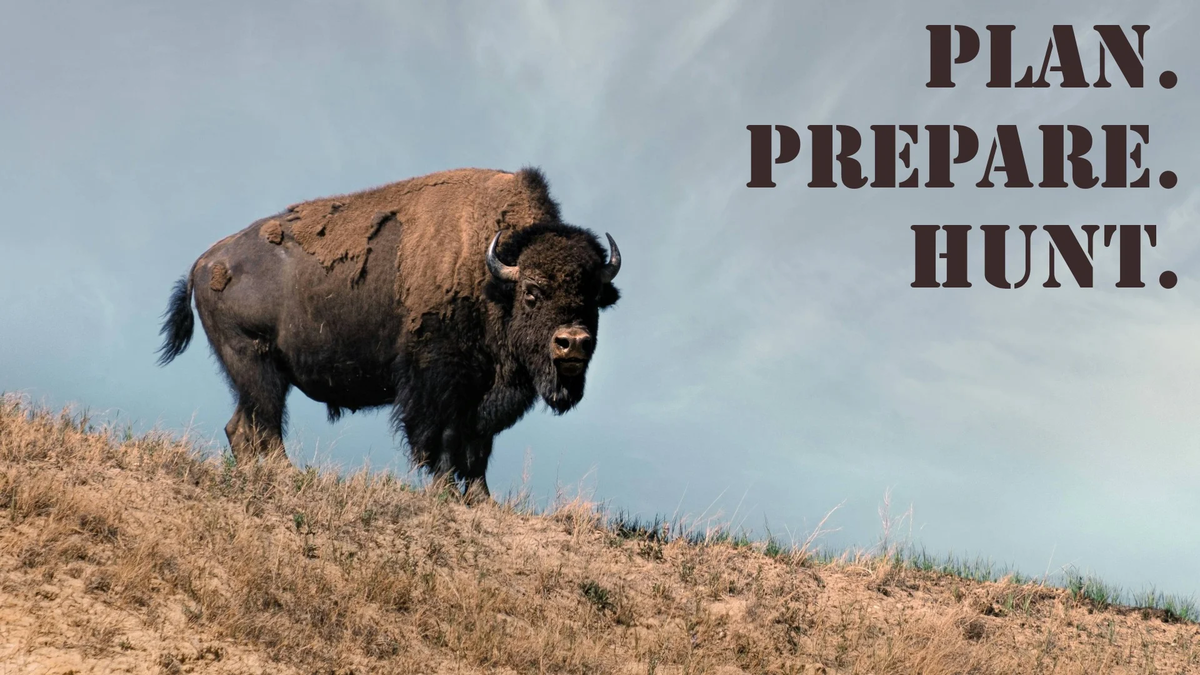
Bison are highly adaptable and flourish in diverse habitats, from expansive grasslands and prairies to boreal forests. They are built to withstand nature’s extremes, enduring frigid winters as cold as -40°F and scorching summers reaching up to 100°F.
Balancing the Scales: Bison Populations and Conservation Strategies
Population Challenges While bison populations have made a remarkable recovery, they still face significant obstacles:
- Habitat Loss:
- Urban development and agricultural expansion continue to encroach on their natural range, reducing the spaces they need to thrive.
- Urban development and agricultural expansion continue to encroach on their natural range, reducing the spaces they need to thrive.
- Genetic Dilution:
- Historical crossbreeding with cattle has left many herds with hybrid genetics, threatening the purity of the species.
- Historical crossbreeding with cattle has left many herds with hybrid genetics, threatening the purity of the species.
- Human-Wildlife Conflict:
- Wild bison sometimes face opposition from ranchers who fear the transmission of diseases, such as brucellosis, to livestock.
- Wild bison sometimes face opposition from ranchers who fear the transmission of diseases, such as brucellosis, to livestock.
Conservation Success Stories Despite these challenges, dedicated conservation efforts have yielded inspiring successes:
- Yellowstone National Park:
- The park harbors the last genetically pure wild bison herd, serving as a beacon of hope for species preservation.
- The park harbors the last genetically pure wild bison herd, serving as a beacon of hope for species preservation.
- Triba Restoration:
- Native American groups, including the InterTribal Buffalo Council, have played a vital role in restoring herds across reservations, emphasizing cultural, ecological, and spiritual significance.
- Native American groups, including the InterTribal Buffalo Council, have played a vital role in restoring herds across reservations, emphasizing cultural, ecological, and spiritual significance.
- Private Conservation:
- Efforts by ranchers and organizations like the American Prairie Reserve have been instrumental in reestablishing them in their ecosystems, promoting both conservation and sustainable land use.
- Efforts by ranchers and organizations like the American Prairie Reserve have been instrumental in reestablishing them in their ecosystems, promoting both conservation and sustainable land use.
These combined initiatives highlight the importance of collaboration between public, tribal, and private organizations to secure a future for bison as icons of the North American wilderness.
Fun Facts about Bison
- Bison are the largest land mammals in North America, with males weighing up to 2,000 pounds.
- They roll in dirt patches called wallows to cool off, repel parasites, and mark their territory.
- Their thick, shaggy coats keep them warm in frigid winters as cold as -40°F, and they shed them in summer.
- Despite their size, they can run up to 35 mph and leap fences as high as 6 feet.
- As a keystone species, bison help shape prairie ecosystems by promoting plant diversity and creating habitats for other animals.
Closing Thoughts: The Legacy of Bison
The bison’s journey from the brink of extinction to a remarkable recovery is a testament to the power of conservation efforts. Yet, their continued survival relies on our ongoing commitment to protecting these iconic animals. Here’s how you can contribute:
- Support Conservation Organizations:
- Groups like the National Bison Association work tirelessly to ensure the preservation and health of bison populations.
- Groups like the National Bison Association work tirelessly to ensure the preservation and health of bison populations.
- Explore Protected Areas:
- Visit parks and reserves such as Yellowstone, where wild bison roam freely, to support conservation and experience their majesty firsthand.
- Visit parks and reserves such as Yellowstone, where wild bison roam freely, to support conservation and experience their majesty firsthand.
- Spread Awareness:
- Educate others about the ecological importance of bison and their role as keystone species in shaping ecosystems.
- Educate others about the ecological importance of bison and their role as keystone species in shaping ecosystems.
By taking meaningful action, we can ensure that bison remain a thriving symbol of North America’s wild heritage, standing strong for generations to come as a beacon of resilience and balance in nature.
Last updated December 2025
Sources
U.S. Forest Service - Research & Development
Disclaimer: This content is provided for informational and entertainment purposes only. It may include personal opinions, user-generated input, or material created with the assistance of AI tools, and is not intended as professional advice of any kind. Tier 1 Sportsmen does not guarantee the accuracy, completeness, or reliability of any information provided. Always verify any hunting, safety, gear, or health-related information with qualified experts, and check all local laws and regulations before participating in any hunting activity. This site may contain copyrighted material, the use of which has not always been specifically authorized by the copyright owner. We believe that this constitutes a ‘fair use’ of the material in accordance with Title 17 U.S.C. Section 107. For full details, please review our Disclaimer, TOS, & Privacy Policy.