Introduction
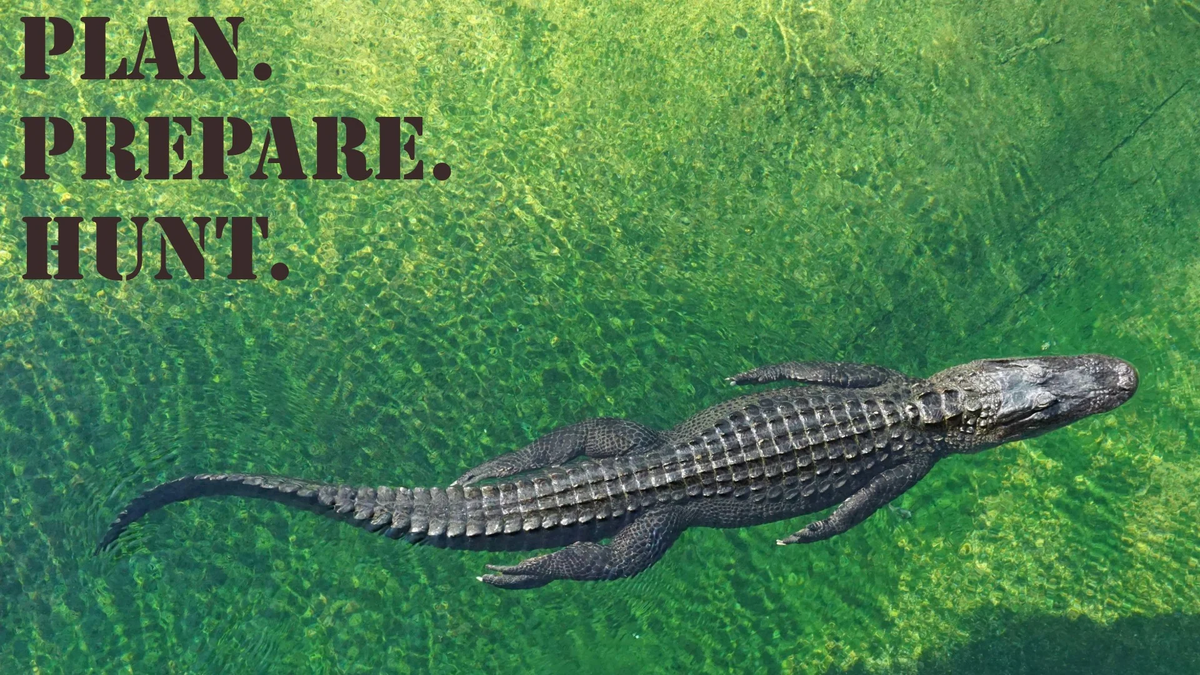
A living relic from the age of dinosaurs, the alligator (Alligator spp.) is one of North America's most iconic reptiles. With their armored bodies, powerful jaws, and stealthy hunting tactics, these apex predators dominate swamps, marshes, and rivers. Whether you're a wildlife enthusiast, conservationist, or hunter, this guide delves into everything you need to know about these incredible creatures, including their history, physical traits, diet, behavior, habitat, range, subspecies, population trends, and conservation efforts.
A Brief History of the Alligator
Alligators have graced Earth's wetlands for over 37 million years, standing as remarkable survivors of prehistoric times. Fossil evidence reveals that their ancient ancestors once roamed alongside dinosaurs, navigating lush ecosystems teeming with life. While many crocodilian species from this era have succumbed to extinction, the modern alligator has remained a living relic, relatively unchanged—a true testament to its evolutionary resilience.
In the United States, alligators faced a perilous decline during the 20th century due to overhunting and habitat loss. Their survival story took a dramatic turn with the implementation of strong conservation measures, including the Endangered Species Act and habitat protection efforts. Today, their populations have not only rebounded but thrived, transforming them into one of the most inspiring conservation success stories and a symbol of ecological recovery.
The Unique Physical Traits of the Alligator
Alligators are built for survival, with several unique features that make them formidable predators:
- Size
- Adult male American alligators typically measure 8 to 15 feet long and can weigh over 1,000 pounds while females come in at around 8 to 10 feet.
- Skin
- Their tough, scaly hide provides protection from predators and rivals. While their dark, greenish-black coloration helps them blend into murky waters.
- Jaws and Teeth
- Their U-shaped snouts with up to 80 conical teeth, help alligators have an incredible bite force of around 2,100 pounds per square inch that can crush bones and shells.
- Eyes and Nostrils
- Positioned on top of their heads, these allow alligators to see and breathe while remaining mostly submerged.
- Tail
- Their powerful tail, which makes up half their body length, helps them swim with speed and agility.
- Their powerful tail, which makes up half their body length, helps them swim with speed and agility.
Meet the family: Subspecies of Alligators
American Alligator (Alligator mississippiensis)
A keystone predator of the southeastern United States, the American Alligator inhabits swamps, marshes, rivers, and wetlands from Texas to the Carolinas. Massive, armored, and cold-tolerant for a reptile, it plays a critical role in shaping wetland ecosystems. Feeding on fish, birds, and mammals, this ancient survivor is a living symbol of the American South’s wild waters.
Chinese Alligator (Alligator sinensis)
One of the world’s rarest crocodilians, the Chinese Alligator is native to the lower Yangtze River basin of eastern China. Much smaller than its American relative, it inhabits freshwater wetlands, ponds, and slow-moving rivers. With a broad snout and heavily armored body, it feeds on fish, snails, and small animals. Critically endangered, it stands as a living relic of ancient ecosystems and a focus of intensive conservation efforts.
Check out the Tier 1 Sportsmen YouTube!
Diet: What Do Alligators Eat?
Alligators are opportunistic carnivores, feeding on nearly anything they can catch, making them adaptable predators in their ecosystems. Their diet is incredibly diverse and varies depending on their size, age, and environment:
- Fish, turtles, and snakes
- These aquatic creatures make up a significant portion of an alligator’s diet, especially in wetland habitats.
- Birds and small mammals
- Alligators often ambush unsuspecting prey near water edges, demonstrating their skill as stealthy hunters.
- Larger prey
- Fully grown adults are capable of taking down substantial prey like deer and wild boars, showcasing their impressive strength.
- Occasionally carrion
- Alligators are not above scavenging on carcasses, especially when fresh prey is scarce.
For young alligators, the focus is on smaller, more manageable prey such as insects, frogs, and small fish. As they grow, their hunting prowess and dietary range expand, allowing them to tackle larger prey.
The Social Traits and Behavior of the Alligator
Though they may appear to be lazy sunbathers, alligators exhibit a range of fascinating behaviors that make them highly effective predators and survivors:
- Ambush Hunting
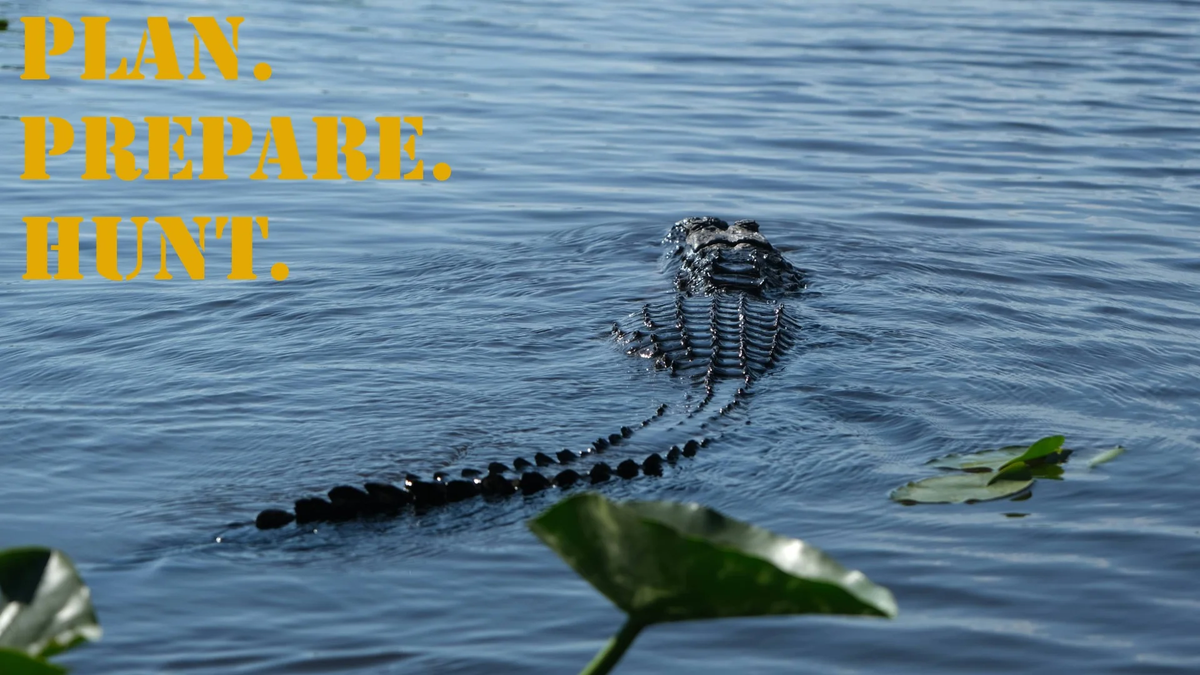
- Masters of stealth, alligators lie nearly motionless in the water, with only their eyes and nostrils above the surface. When unsuspecting prey ventures close, they strike with astonishing speed and power, ensuring a successful catch.
- Bellowing and Communication
- Male alligators produce deep, resonating bellows that ripple through the water. These vocalizations serve to attract mates and establish dominance in their territory, demonstrating their role as strong communicators.
- Maternal Instincts
- Female alligators are among the most attentive reptilian mothers. They vigilantly guard their nests from predators and even assist their hatchlings in reaching the water. Some continue to watch over their young for up to a year, ensuring their survival in the early stages of life.
- Cold-Blooded Efficiency
- As ectotherms, alligators depend on external sources of heat to regulate their body temperature. They bask in the sun to warm up or retreat to cooler water to avoid overheating, making them energy-efficient survivors of their environment.
This combination of hunting prowess, communication, parental care, and environmental adaptation ensures that alligators remain formidable and fascinating creatures of the wild.
The Diverse Range of Alligators
American Alligator Habitats
Alligators are remarkably adaptable reptiles, thriving in a variety of habitats shaped by their environmental needs and evolutionary resilience:
- Swamps and Marshes
- Offering an ideal combination of food, cover, and nesting opportunities.
- Slow-Moving Rivers and Lakes
- Their calm waters provide prime conditions for the alligator's ambush hunting tactics.
- Bayous and Coastal Wetlands
- Unique ecosystems that support rich biodiversity and critical habitats.
- Brackish Water
- Although preferring freshwater, American alligators can tolerate slightly salty water when necessary.
- Although preferring freshwater, American alligators can tolerate slightly salty water when necessary.
The range of the American alligator spans the southeastern United States, from Texas to North Carolina, with the highest populations concentrated in Florida and Louisiana, where warm climates are perfect for their reproduction and survival. These alligators also exhibit a fascinating survival adaptation—during brief freezes, they stick their snouts above ice to breathe, ensuring their resilience in varied conditions.
- Chinese Alligator Range
- In contrast, the Chinese alligator's range is much more limited. This critically endangered species is native to small regions along the Yangtze River in eastern China, where it thrives in slow-moving rivers, lakes, and marshlands.
Both species rely on warm climates to flourish, with the American alligator standing out for its remarkable ability to adapt to diverse environments.
Balancing the Scales: Alligator Populations and Conservation Strategies
The American alligator’s journey is one of the greatest conservation success stories in history. Once teetering on the brink of extinction due to habitat destruction and rampant poaching for their valuable hides, their populations had dwindled dangerously by the mid-20th century. However, a combination of groundbreaking legal protections and dedicated conservation programs sparked a remarkable turnaround. By 1987, the American alligator was officially removed from the Endangered Species List—a milestone achievement in wildlife conservation.
Key Conservation Efforts The efforts to bring back the alligator population included a range of impactful measures:
- Strict hunting regulations and sustainable management
- Carefully monitored hunting quotas ensure population stability while supporting local economies.
- Wetland conservation
- Protecting and restoring their habitats has been crucial for sustaining healthy populations.
- Public education
- Raising awareness about the importance of coexistence has helped reduce conflicts and promote stewardship.
- Captive breeding programs
- Although primarily aiding the critically endangered Chinese alligator, these programs set a precedent for conservation success.
Present-Day Success Today, American alligator populations are thriving, with over 4 million roaming the wild. Florida alone is home to approximately 1.3 million alligators, and populations remain stable or even growing across their range. The Endangered Species Act of 1973 was a turning point, banning unregulated hunting and laying the foundation for their recovery. Interestingly, regulated harvests now play a vital role in maintaining population balance while contributing to local economies, proving that sustainable conservation and hunting can coexist.
The Struggle of the Chinese Alligator In stark contrast, the Chinese alligator faces a far more dire situation. Habitat destruction and pollution have reduced their numbers to a mere handful, making them one of the world’s rarest reptiles. Conservation efforts in China, including habitat restoration and captive breeding programs, are lifelines for this critically endangered species. Zoos and reserves play an essential role in these efforts, offering a glimmer of hope for their survival.
Fun Facts about Alligators
- Alligators are keystone species, meaning their presence is crucial for maintaining ecological balance.
- Alligators can live 35-50 years in the wild, and up to 80 in captivity.
- They’re vocal—grunts, hisses, and that epic bellow are all part of their playlist.
- Ever seen an alligator “death roll”? They spin like a tornado to subdue prey—wild!
Closing Thoughts: The Legacy of Alligators
The alligator's journey is a testament to survival, resilience, and the power of conservation. From their ancient lineage dating back millions of years to their vital role in wetland ecosystems, these fascinating reptiles have earned admiration and respect.
Protecting their future depends on collective action from hunters, conservationists, and wildlife enthusiasts. Together, we can:
- Support Habitat Conservation
- Safeguard wetlands and freshwater habitats to ensure alligators have the resources they need to thrive.
- Promote Responsible Wildlife Management
- Advocate for sustainable practices that balance ecological health and human activity.
- Foster Public Awareness
- Educate communities about the ecological importance of alligators and the need for their protection.
By maintaining healthy wetland ecosystems and embracing conservation efforts, we can ensure that these incredible survivors continue to flourish, leaving an indelible mark on the planet for generations to come.
Last updated November 2025
Sources
U.S. Forest Service - Research & Development
Disclaimer: This content is provided for informational and entertainment purposes only. It may include personal opinions, user-generated input, or material created with the assistance of AI tools, and is not intended as professional advice of any kind. Tier 1 Sportsmen does not guarantee the accuracy, completeness, or reliability of any information provided. Always verify any hunting, safety, gear, or health-related information with qualified experts, and check all local laws and regulations before participating in any hunting activity. This site may contain copyrighted material, the use of which has not always been specifically authorized by the copyright owner. We believe that this constitutes a ‘fair use’ of the material in accordance with Title 17 U.S.C. Section 107. For full details, please review our Disclaimer, TOS, & Privacy Policy.