Description
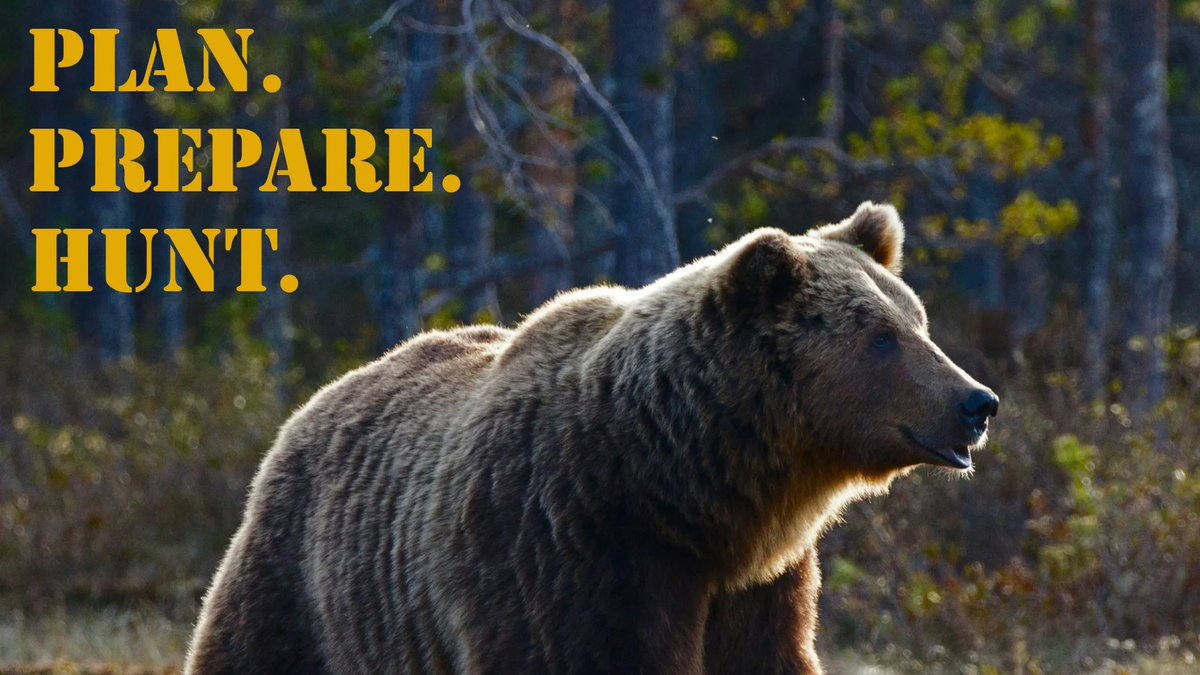
Grizzly Bear (Ursus arctos horribilis)
A formidable North American subspecies of the brown bear, the Grizzly Bear inhabits rugged mountains, forests, and river valleys from Alaska through western Canada and into parts of the northern United States. Recognized by its muscular hump and silver-tipped “grizzled” fur, it’s a powerful omnivore that feeds on everything from berries and roots to salmon and elk, embodying the untamed spirit of the North American wilderness.
Aliases
Common Grizzly
Grizzly Bear
Interior Brown Bear
Yellowstone Grizzly
Associates
Rocky Mountain Elk
Engagement Strategies
Call / Decoy Hunting
Spot & Stalk Hunting
Still Hunting
Effective Weapons
Centerfire Rifle
Compound Bow
Muzzle Loader
Recurve / Long Bow
Opportunity Assessment
Rating: Low
Population
-Populations are stable to increasing in remote northern regions with intact habitat.
-Southern populations are smaller, fragmented, and tightly managed.
Distribution
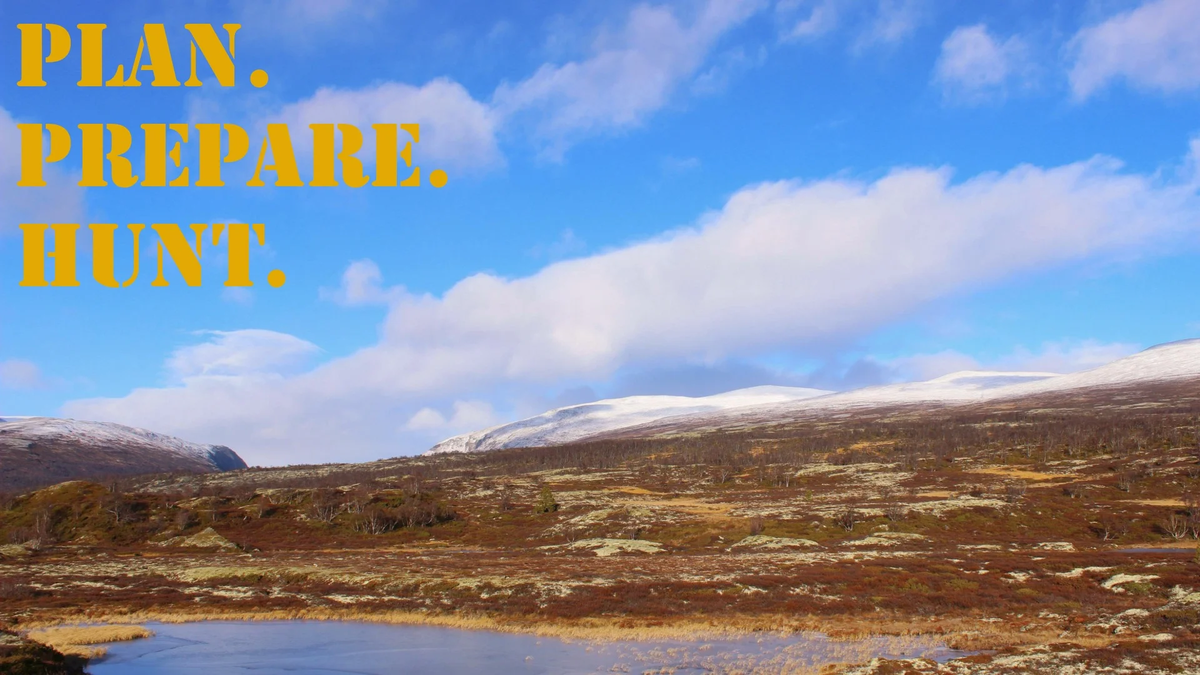
-Found across interior mountains, boreal forests, tundra edges, and major river systems.
-Seasonal movements follow green-up, berries, and salmon where available.
Regulation
-Hunting is highly regulated with limited-entry tags and short seasons.
-Northern jurisdictions generally offer more consistent access than southern ranges.
Demand
-Northern jurisdictions generally offer more consistent access than southern ranges.
-Interest is driven by challenge, wilderness experience, and rarity of opportunity.
Quick Threat
Rating: High
Terrain
-Steep mountains, avalanche chutes, thick timber, and river bottoms limit visibility and movement.
-Remote landscapes increase risk during stalks, recoveries, and emergencies.
Weather
-Rapid weather shifts bring snow, cold rain, wind, and fog even in early seasons.
-Poor conditions reduce visibility, slow travel, and complicate extraction.
Grit
-Long days, heavy packs, cold exposure, and physical exhaustion are constant factors.
-Mental fatigue can lead to rushed decisions around bears and shot placement.
Conflict
-High risk of close-range encounters, especially during carcass recovery.
-Competition from other bears over kills increases danger post-shot.
Mission Critical Gear
Apparel
-Waterproof breathable rain gear
-Insulated layers
-Waders or hip boots
-Gaiters
Accessories
-Sunscreen
-Sunglasses
-Tripod
-Paracord
-Tarp
Bait / Scent
Calls / Decoys
Dog / Falconry Gear
Electronics / Lights
-GPS
-Headlight
-Power bank
Footwear
-Heavy-duty waterproof boots
Game Care Gear
-Heavy-duty game bags
Kitchen / Hydration Gear
-Cold weather hydration gear
Knives / Tools
-Bone Saw
-Skinning Knife
-Knife Sharpener
Nutrition
Optics
-High-quality binoculars
-Spotting scope
-Range Finder
Packs / Bags
-Chest or hip holster
-Food storage system
-Expedition-grade pack frame
Shelter / Sleep System
Stands / Blinds
Survival / Aid Gear
-Bear spray
-First-aid Kit
-Compass
-paper maps
Watercraft
Skill Set Demands
-Bear Behavior
-Wind Reading
-Stalking
-Glassing
-Tracking
-Shot Placement
-Navigation
-Weather Reading
-Trophy Care
-Bear Aware
-Cold Weather
-Physical Fitness
-Mental Endurance
-Scent Management
-Team Coordination

Physical Characteristics
Pronounced Shoulder Hump
-A muscular mass above the shoulders used for digging and power, absent in black bears.
Concave (dish-shaped) Facial Profile
-The bears nose dips inward between eyes and muzzle, a key grizzly identifier.
Long, Pale Digging Claws
-Their claws are typically 2–4 inches, straight and light-colored, unlike the short, curved claws of black bears.
Grizzled Guard Hairs
-These guard hairs are silver or blonde-tipped outer hairs over a dark base coat, creating the classic “grizzly” look.
Characteristics of a Trophy
Massive Shoulder Hump and Chest Depth
-Shoulder hump is tall and well-defined, flowing into a thick, blocky front end that dwarfs the head.
Large, Blocky Skull with a Wide Face
-Broad muzzle, wide-set eyes, and a thick head that looks oversized compared to the neck.
Heavy Leg Bones and Oversized Fee
-Thick wrists, long stride, and feet that appear huge even at distance.
Sagging Belly and Slow, Deliberate Movement
-Mature bears often show a low-hanging gut and move with confidence rather than quick, nervous steps.
Diet
Protein
-Elk
-Deer
-Bison
-Moose
-Caribou
-Deer
-Ground squirrels
-Marmots
-Beavers
-Rodents
-Ants
-Beetles
-Larvae
-Salmon
-Whitefish
-Grayling
-Ground-nesting birds
-Waterfowl eggs
-Scavenge carcasses
Vegetation
-Blueberries
-Huckleberries
-Serviceberries
-Chokecherries
-Buffaloberries
-Elderberries
-Pine Nuts
-Acorns
-Grasses
-Other edible roots
-Willow shoots and leaves
-Sedges and grasses
Field Behavioral Patterns
Social Dynamics
-Primarily solitary outside the breeding season.
-Sows may travel with cubs for 2–3 years.
-Temporary tolerance occurs at rich food sources like salmon streams or carcasses.
-Dominance is based on size, age, and aggression rather than fixed hierarchy.
Reproductive Behavior
-Breeding occurs from late May through July.
-Boars expand ranges significantly while searching for receptive sows.
-Cubs are born in dens during January–February.
-Sows with cubs are extremely defensive, especially in spring.
Movement Patterns
-Most active during dawn and dusk hours.
-Will shift to nocturnal movement under pressure or near human activity.
-Seasonal elevation changes track food availability.
-Travel routes favor valleys, benches, river corridors, and edge habitat.
Human & Hunting Pressure
-Highly aware and visually alert in open terrain; quick to detect movement at long distances.
-Avoids human presence by shifting travel routes rather than abandoning large areas.
-Pressure increases nocturnal movement or pushes bears into low-lying drainages, broken terrain, or expansive tundra flats with long sightlines.
-Once disturbed, bears may relocate rapidly and cover significant ground, making follow-up difficult.
Reconnaissance
Morning
-Focus on open slopes, avalanche chutes, river bars, and meadow edges where bears feed overnight.
-Glass south- and west-facing aspects that warm early and draw bears to fresh forage.
-Watch travel corridors leading back toward timber, brush, or bedding cover as daylight increases.
-Calm mornings offer the best long-distance glassing before thermals begin to rise.
Mid-Day
-Shift glassing to shaded north-facing slopes, timber edges, and brushy benches.
-Check bedding cover above feeding areas where bears bed with wind and visibility advantage.
-Look for bears moving short distances to feed, drink, or reposition rather than long travels.
-Use this time to relocate, study terrain, and plan evening ambush routes.
Evening
-Return focus to feeding zones—meadows, burns, berry slopes, riparian areas, and salmon streams where applicable.
-Watch bears emerge from cover and move downhill or laterally with cooling thermals.
-Evening activity often increases rapidly during overcast or windy conditions.
-Stay patient; large boars may appear late and briefly before dark.
Tips
-Glass into the wind whenever possible; grizzlies rely heavily on scent.
-Identify fresh sign: large tracks, overturned rocks, torn logs, diggings, and scat.
-Use weather to your advantage—wind, rain, and low visibility increase daylight movement.
-Prioritize escape routes, approach paths, and safe shooting lanes before committing to a stalk.
Theater of Operation
-Alaska, US
-Alberta, CA
-British Columbia, CA
-Northwest Territories, CA
-Nunavut Territories, CA
-Yukon Territories, CA
Slams & Awards
Grand Slam Club Ovis
-Super 10
-Super 25
-Super 40
-Super 50
-Super Slam
-Youth 3
Safari Club International
-Alternative Methods 24
-Animals of North America
-Animals of North America (Bow)
-Bears of the world
-Global Hunting Award
-Hunting Achievement Award
-Multiple Methods
-North American 12
-North American 29
-Predators of the world
-Top Ten Award
Records
Safari Club International
North America - Free Range
Firearms
Bronze - 22"
Silver - 23-7/16”
Gold - 24-11/16”
Bow
Bronze - 19”
Silver - 19-4/16"
Gold - 20-5/16"
Boone & Crockett Club
Awards - 23"
All-Time - 24"
Pope & Young
Records - 19"
Sources
Disclaimer: This content is provided for informational and entertainment purposes only. It may include personal opinions, user-generated input, or material created with the assistance of AI tools, and is not intended as professional advice of any kind. Tier 1 Sportsmen does not guarantee the accuracy, completeness, or reliability of any information provided. Always verify any hunting, safety, gear, or health-related information with qualified experts, and check all local laws and regulations before participating in any hunting activity. This site may contain copyrighted material, the use of which has not always been specifically authorized by the copyright owner. We believe that this constitutes a ‘fair use’ of the material in accordance with Title 17 U.S.C. Section 107. For full details, please review our Disclaimer, TOS, & Privacy Policy.