Introduction
Few animals embody the rugged beauty of the mountains quite like the bighorn sheep (Ovis canadensis). With their massive, curled horns and extraordinary climbing skills, these iconic creatures are a symbol of strength, agility, and resilience. Found in the steep terrains of North America, bighorn sheep are admired by wildlife enthusiasts, hunters, and conservationists alike. This guide delves into the fascinating world of bighorn sheep, covering their history, physical traits, diet, behavior, habitat, range, subspecies, population trends, and conservation efforts.
A Brief History of the Bighorn Sheep
Bighorn sheep have a deep evolutionary lineage, dating back millions of years. They migrated from Asia to North America via the Bering Land Bridge and adapted to the continent’s mountainous landscapes. Once numbering in the millions, their populations declined sharply due to overhunting and diseases introduced by domestic livestock. Thanks to conservation efforts, many herds have made a remarkable comeback, though challenges remain.
The Unique Physical Traits of Bighorn Sheep
Bighorn sheep are marvels of evolution, equipped with specialized traits that allow them to thrive in rugged and unforgiving environments. Their standout features include:
- Massive Horns
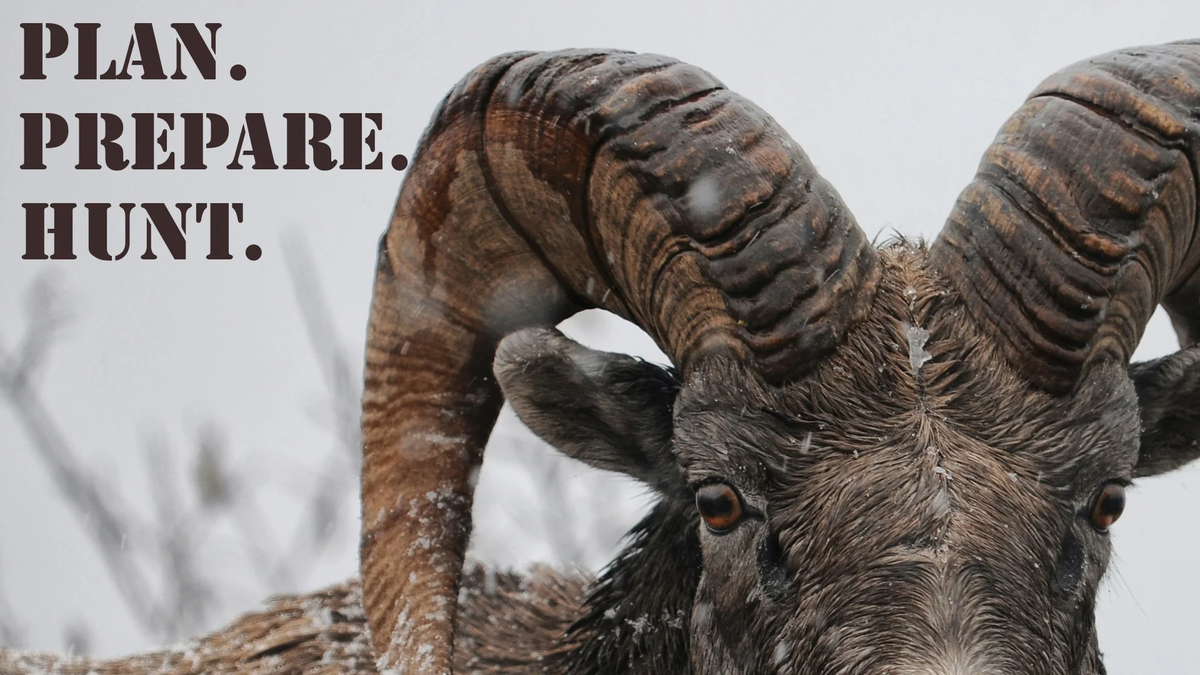
- Rams boast iconic, curling horns that can weigh up to 30 pounds, serving as tools for dominance battles and protection. Female bighorns (ewes) have smaller, more delicate horns but still use them for defense.
- Rams boast iconic, curling horns that can weigh up to 30 pounds, serving as tools for dominance battles and protection. Female bighorns (ewes) have smaller, more delicate horns but still use them for defense.
- Size Variance
- Rams typically weigh between 150 and 300 pounds, while ewes are more modest in size, ranging from 100 to 200 pounds, offering them agility in steep terrains.
- Rams typically weigh between 150 and 300 pounds, while ewes are more modest in size, ranging from 100 to 200 pounds, offering them agility in steep terrains.
- Seasonal Coat Adaptation
- Bighorns adapt to changing climates with seasonal fur—thick and darker in winter for warmth and lighter in summer for heat regulation.
- Bighorns adapt to changing climates with seasonal fur—thick and darker in winter for warmth and lighter in summer for heat regulation.
- Specialized Hooves
- Their hooves are uniquely designed with a rough, concave surface that provides incredible grip, enabling them to traverse rocky cliffs and narrow ledges without slipping.
- Their hooves are uniquely designed with a rough, concave surface that provides incredible grip, enabling them to traverse rocky cliffs and narrow ledges without slipping.
- Superior Vision
- With excellent peripheral vision, bighorn sheep can detect predators from afar, giving them a crucial survival edge in open and mountainous terrain.
- With excellent peripheral vision, bighorn sheep can detect predators from afar, giving them a crucial survival edge in open and mountainous terrain.
These traits highlight the resilience and adaptability of bighorn sheep, allowing them to conquer some of the world's most challenging habitats.
Meet the family: Subspecies of Bighorn Sheep
California Bighorn Sheep (Ovis canadensis californiana):
A rugged subspecies of North America’s wild sheep, the California Bighorn inhabits the steep, dry mountains and high-desert ranges of the Pacific Northwest. Recognized by its impressive curled horns, tan coat, and sure-footed agility, it thrives in open, rocky terrain where visibility and escape routes are key to survival. Tough, wary, and adapted to harsh landscapes, it’s an enduring symbol of the West’s wild, cliff-cut country.
Mexican Desert Bighorn Sheep (Ovis canadensis mexicana):
A heat-adapted subspecies of bighorn, the Mexican Desert Bighorn Sheep survives in the rugged, sunbaked mountains of Sonora, Baja California, and parts of the southwestern U.S. With a sleek tan coat, muscular build, and massive curled horns, it’s perfectly suited to arid cliffs and sparse desert vegetation. Resourceful and resilient, it embodies the extreme endurance required to thrive in North America’s hottest, driest sheep habitat.
Nelson Desert Bighorn Sheep (Ovis canadensis nelsoni):
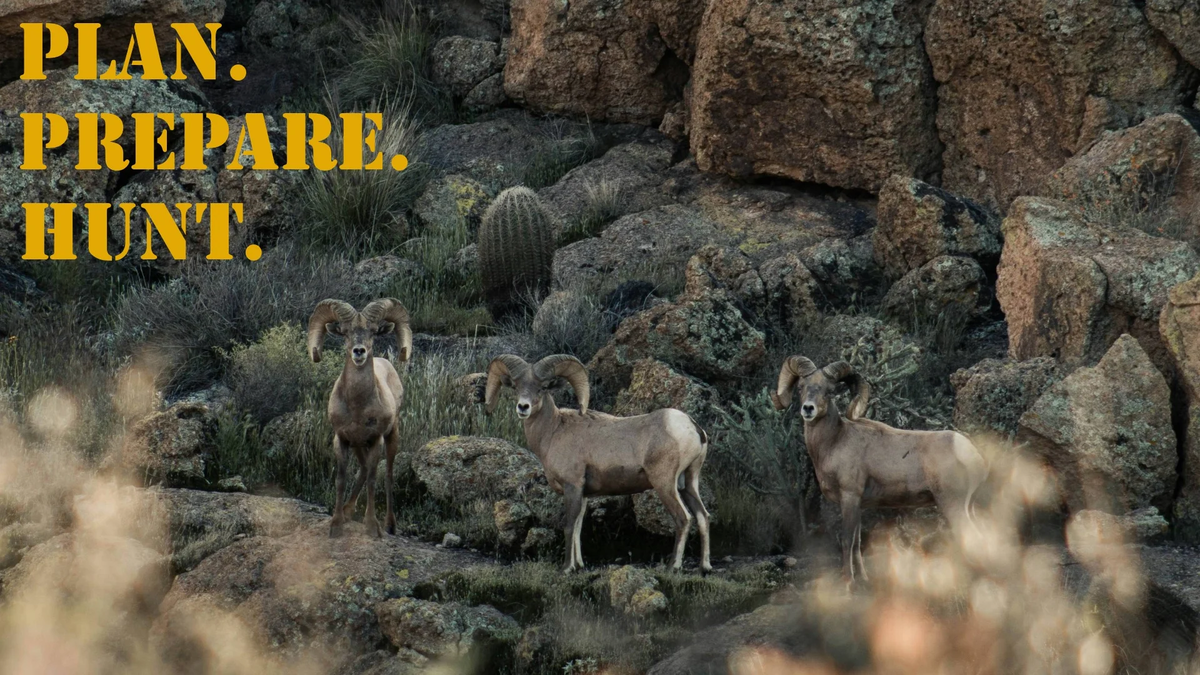
A prominent subspecies of desert bighorn, the Nelson Desert Bighorn Sheep ranges across the Mojave Desert, southern Nevada, western Arizona, and parts of California. Recognized by its light tan coat, powerful frame, and sweeping horns, it thrives in steep, rocky mountains where water is scarce and heat is intense. Agile, tough, and desert-born, it represents the rugged spirit of the American Southwest’s wildest terrain.
North Baja Desert Bighorn Sheep (Ovis canadensis cremnobates):
A rare desert-dwelling subspecies, the North Baja Desert Bighorn Sheep inhabits the harsh, rocky sierras of northern Baja California and adjacent regions of southern California. Light-bodied, sure-footed, and heat-adapted, it navigates steep cliffs and sparse desert vegetation with ease. Its pale coat and impressive curled horns make it a striking symbol of one of North America’s most rugged and water-scarce mountain landscapes.
Rocky Mountain Bighorn Sheep (Ovis canadensis canadensis):
The largest and most iconic of North America’s wild sheep, the Rocky Mountain Bighorn thrives in the high, rugged peaks and steep alpine ridges of the Rockies. Known for its massive, deeply curled horns and muscular build, it is perfectly adapted to cliffside terrain where agility is survival. Tough, wary, and mountain-born, it stands as a powerful symbol of the continent’s alpine wilderness.
South Baja Desert Bighorn Sheep (Ovis canadensis weemsi):
A hardy and heat-adapted subspecies, the South Baja Desert Bighorn Sheep inhabits the remote, rugged mountains of southern Baja California. With a light tan coat, lean build, and sweeping curled horns, it’s built for life in extreme aridity, navigating steep volcanic ridges with agility. Elusive and resilient, it embodies the stark, unforgiving beauty of Baja’s desert wilderness.
Check out the Tier 1 Sportsmen YouTube!
Diet: What Do Bighorn Sheep Eat?
Bighorn sheep are herbivores with diets that adapt to the unique challenges of their habitat. Their menu is diverse and tailored to their environment:
- Rocky Mountain bighorns
- These sheep graze on nutrient-rich grasses, sedges, and forbs found in alpine meadows and foothills.
- These sheep graze on nutrient-rich grasses, sedges, and forbs found in alpine meadows and foothills.
- Desert bighorns
- Living in arid regions, they rely on hardy desert vegetation like cacti, shrubs, and other drought-resistant plants to sustain themselves.
- Living in arid regions, they rely on hardy desert vegetation like cacti, shrubs, and other drought-resistant plants to sustain themselves.
Bighorn sheep have a four-chambered stomach that is specially designed to process and extract nutrients from tough, fibrous vegetation. This adaptation allows them to thrive even on sparse or coarse plant material.
In addition to their plant-based diet, salt and minerals play a critical role in their nutrition. They instinctively seek out natural mineral licks, which provide essential nutrients that support bone health, horn growth, and overall vitality.
The Social Traits and Behavior of Bighorn Sheep
Bighorn sheep exhibit remarkable and complex social behaviors, especially during the dramatic mating season known as the rut. These behaviors showcase their adaptability and strong group dynamics:
- Herd Dynamics
- Ewes and their lambs form small, closely-knit herds that provide safety and social bonding. Rams, on the other hand, live in bachelor groups outside of the breeding season, focusing on conserving energy and building strength for future competition.
- Ewes and their lambs form small, closely-knit herds that provide safety and social bonding. Rams, on the other hand, live in bachelor groups outside of the breeding season, focusing on conserving energy and building strength for future competition.
- Dominance Battles
- The rut is a season of spectacular displays as rams compete for mating rights through intense head-butting contests. Charging at speeds of up to 20 mph, these battles test the strength and dominance of each participant, with the winner earning access to the ewes.
- The rut is a season of spectacular displays as rams compete for mating rights through intense head-butting contests. Charging at speeds of up to 20 mph, these battles test the strength and dominance of each participant, with the winner earning access to the ewes.
- Communication
- They communicate through a combination of vocalizations, body language, and scent marking. These signals are vital for asserting dominance, alerting the herd to danger, and maintaining social order.
- They communicate through a combination of vocalizations, body language, and scent marking. These signals are vital for asserting dominance, alerting the herd to danger, and maintaining social order.
- Lambing Season
- Ewes seek out remote, rocky cliffs to give birth, choosing locations that are nearly inaccessible to predators. This strategy ensures the safety of their vulnerable lambs during the crucial early weeks of life.
- Ewes seek out remote, rocky cliffs to give birth, choosing locations that are nearly inaccessible to predators. This strategy ensures the safety of their vulnerable lambs during the crucial early weeks of life.
These social behaviors not only highlight their resilience and intelligence but also play a key role in their survival in some of the planet’s most challenging environments.
The Diverse Range of Bighorn Sheep
Bighorn sheep are true masters of rugged terrain, thriving in steep, rocky mountain ranges and cliffs that provide both shelter and a strategic advantage against predators. Their impressive range spans diverse ecosystems across North America, including:
- The Rocky Mountains
- Stretching through Canada, Montana, Colorado, and Wyoming, this range offers abundant alpine meadows and rocky refuges.
- Stretching through Canada, Montana, Colorado, and Wyoming, this range offers abundant alpine meadows and rocky refuges.
- The Sierra Nevada
- In California, these towering peaks provide a unique blend of high-altitude habitats.
- In California, these towering peaks provide a unique blend of high-altitude habitats.
- The Deserts of the American Southwest
- Adapted to arid conditions, bighorn sheep inhabit the harsh landscapes of Arizona, Nevada, and New Mexico, where water and vegetation are scarce but survival strategies abound.
- Adapted to arid conditions, bighorn sheep inhabit the harsh landscapes of Arizona, Nevada, and New Mexico, where water and vegetation are scarce but survival strategies abound.
To cope with seasonal changes, bighorn sheep display remarkable adaptability. They migrate between higher elevations during the summer, taking advantage of lush alpine vegetation, and lower elevations in the winter, where food is more accessible amidst snow-covered peaks.
This dynamic range highlights their versatility and resilience, showcasing how these iconic animals have mastered life in some of North America’s most demanding environments.
Balancing the Scales: Bighorn Sheep Populations and Conservation Strategies
Despite their remarkable resilience, bighorn sheep face numerous threats that jeopardize their populations and long-term survival:
- Disease Transmission
- Contact with domestic sheep often leads to the spread of diseases like pneumonia, which can decimate entire herds.
- Contact with domestic sheep often leads to the spread of diseases like pneumonia, which can decimate entire herds.
- Habitat Loss
- Expanding human development and climate change continue to reduce and fragment the natural habitats critical to their survival.
- Expanding human development and climate change continue to reduce and fragment the natural habitats critical to their survival.
- Poaching and Overhunting
- Although regulated in many areas, illegal hunting and overharvesting remain a concern in some regions.
- Although regulated in many areas, illegal hunting and overharvesting remain a concern in some regions.
- Predation
- Natural predators such as Mountain Lions and other large carnivores pose a threat, particularly to lambs and weaker individuals.
- Natural predators such as Mountain Lions and other large carnivores pose a threat, particularly to lambs and weaker individuals.
Thanks to proactive conservation efforts, many populations are making a strong recovery:
- Reintroduction Programs
- Several states have successfully reintroduced bighorn sheep to their native ranges, helping to restore populations in areas where they were previously extirpated.
- Several states have successfully reintroduced bighorn sheep to their native ranges, helping to restore populations in areas where they were previously extirpated.
- Protected Areas
- National Parks and Wildlife Refuges, including Yellowstone and Banff, provide vital safe havens where bighorn sheep can thrive without human interference.
- National Parks and Wildlife Refuges, including Yellowstone and Banff, provide vital safe havens where bighorn sheep can thrive without human interference.
- Hunting Regulations
- Strictly enforced quotas ensure that hunting remains sustainable, balancing population health with support for local economies.
- Strictly enforced quotas ensure that hunting remains sustainable, balancing population health with support for local economies.
- Research and Monitoring
- Scientists play a critical role by tracking herd health, monitoring genetic diversity, and studying disease outbreaks to ensure the long-term survival of these iconic animals.
- Scientists play a critical role by tracking herd health, monitoring genetic diversity, and studying disease outbreaks to ensure the long-term survival of these iconic animals.
Through a combination of dedicated conservation strategies and public awareness, bighorn sheep are overcoming significant challenges, serving as a testament to the power of collaborative efforts in wildlife preservation.
Fun Facts about Bighorn Sheep
- Rams' horns can weigh up to 30 pounds, almost as much as the rest of their bones combined.
- Desert bighorn sheep can survive weeks without water by extracting moisture from plants.
- Rams engage in head-butting contests during mating season, charging at speeds up to 20 mph.
- They migrate between high elevations in summer and lower elevations in winter for food.
- Some herds can be found at altitudes over 10,000 feet, thriving in harsh mountain climates.
Closing Thoughts: The Legacy of Bighorn Sheep
Bighorn sheep are more than just majestic creatures; they are symbols of resilience and conservation success. Their survival depends on continued efforts to protect habitats, manage hunting responsibly, and prevent disease transmission from livestock.
If you’re passionate about wildlife, consider supporting organizations that work to protect them. Whether through donations, advocacy, or simply spreading awareness, every action helps ensure that these incredible animals continue to roam North America’s mountains for generations to come.
Last updated December 2025
Sources
U.S. Forest Service - Research & Development
Disclaimer: This content is provided for informational and entertainment purposes only. It may include personal opinions, user-generated input, or material created with the assistance of AI tools, and is not intended as professional advice of any kind. Tier 1 Sportsmen does not guarantee the accuracy, completeness, or reliability of any information provided. Always verify any hunting, safety, gear, or health-related information with qualified experts, and check all local laws and regulations before participating in any hunting activity. This site may contain copyrighted material, the use of which has not always been specifically authorized by the copyright owner. We believe that this constitutes a ‘fair use’ of the material in accordance with Title 17 U.S.C. Section 107. For full details, please review our Disclaimer, TOS, & Privacy Policy.