Introduction
Antelopes are some of the most elegant and adaptable creatures in the animal kingdom. Found primarily in Africa and parts of Asia, these agile herbivores are known for their incredible speed, sharp senses, and distinctive horns. Whether you’re a wildlife enthusiast, conservationist, or hunter, this guide covers everything you need to know about antelopes, including their history, physical traits, diet, behavior, habitat, range, subspecies, population trends, and conservation efforts.
A Brief History of Antelope
Antelopes belong to the Bovidae family, which also includes goats, sheep, and cattle. They evolved millions of years ago in the vast grasslands and open woodlands of Africa and Eurasia. Unlike deer, which shed their antlers annually, antelopes have permanent horns that grow continuously throughout their lives.
For centuries, they have been central to various ecosystems, serving as prey for large carnivores like lions and cheetahs. They have also played significant roles in human cultures, symbolizing grace, speed, and survival.
The Unique Physical Traits of Antelopes
Antelopes exhibit remarkable diversity in size and appearance, yet they share several key characteristics that contribute to their survival across varying ecosystems:
- Size
- They range from the diminutive royal antelope, standing just 10 inches tall, to the mighty eland, which can weigh over 2,000 pounds, showcasing an extraordinary spectrum of physical variation.
- Horns
- Many species, including males and females, boast permanent horns that curve, twist, or remain straight, serving as tools for defense and dramatic dominance battles.
- Coat Coloration
- Their fur is often adorned in tan, brown, or white patterns, providing excellent camouflage against predators and blending seamlessly into their natural surroundings.
- Legs Built for Speed
- With long, slender legs, antelopes excel in both speed and endurance. Species like the pronghorn can leap tremendous distances and reach speeds of up to 60 mph, outpacing most predators.
- Heightened Senses
- Equipped with large, alert eyes and acute hearing, antelopes possess a wide field of vision—up to 300 degrees—allowing them to detect danger from afar and react swiftly.
These shared traits highlight the adaptability and evolutionary success of antelopes, ensuring their survival and prominence across diverse landscapes.
Meet the family: Subspecies of Antelope
American Pronghorn (Antilocapra americana)
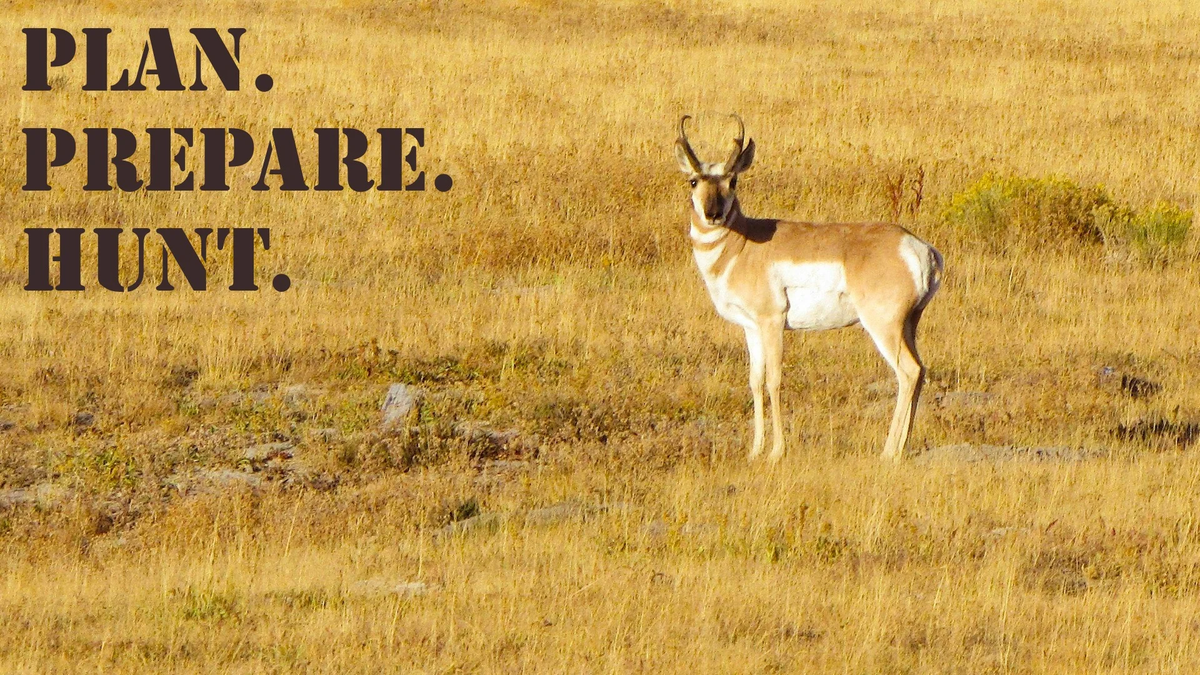
North America’s fastest land mammal, the Pronghorn inhabits open prairies, sagebrush flats, and desert grasslands from the American West into southern Canada and northern Mexico. Recognized by its tan-and-white coat, striking facial markings, and uniquely forked horns, it’s built for speed and long-distance endurance. Highly alert and wide-ranging, the Pronghorn remains an iconic symbol of the continent’s sweeping, high-plains wilderness.
Blackbuck (Antilope cervicapra)
A striking antelope of the Indian subcontinent, the Blackbuck is known for the male’s dramatic corkscrew horns and bold contrast of dark chocolate and white coloration. Females and young are lighter tan, blending easily into grasslands and semi-arid plains. Fast, vigilant, and graceful, the Blackbuck is a symbol of India’s open-country wildlife heritage.
Bongo (Tragelaphus eurycerus)
A rare and visually stunning forest antelope, the Bongo is distinguished by its rich chestnut coat marked with white vertical stripes and long, spiraling horns. Found in the dense rainforests of Central and West Africa, and in limited pockets of Kenya’s high forests, it moves silently through thick vegetation. Shy, powerful, and elusive, the Bongo is one of Africa’s most magnificent and secretive ungulates.
Gemsbok (Oryx gazella)
A powerful and iconic antelope of southern Africa’s deserts and savannas, the Gemsbok is instantly recognized by its long, straight, rapier-like horns and bold black-and-white facial markings. Built for extreme heat, it can survive on minimal water while roaming vast dunes and open plains. Strong, resilient, and visually striking, the Gemsbok embodies the rugged spirit of the Kalahari wilderness.
Greater Kudu (Tragelaphus strepsiceros)
One of Africa’s most iconic antelope, the Greater Kudu is known for its majestic spiral horns, reaching over five feet on mature bulls, and its sleek, gray-brown coat marked with vertical white stripes. Found in savannas, woodlands, and rocky hills across eastern and southern Africa, it’s a powerful yet elusive browser. Graceful and alert, the Greater Kudu embodies the wild elegance of the African bush.
Impala (Aepyceros melampus)
A graceful and agile antelope of sub-Saharan Africa, the Impala is known for its rich reddish coat, sleek build, and impressive leaping ability—often clearing over 10 feet high in flight. Found in savannas and light woodlands, it forms large herds and relies on speed and agility to evade predators. Its lyre-shaped horns and alert, athletic nature make it a quintessential species of the African plains.
Nilgai (Boselaphus tragocamelus)
The largest Asian antelope, the Nilgai, also known as the “Blue Bull”, roams India’s dry forests, farmlands, and scrublands. Males sport a bluish-gray coat and sturdy, straight horns, while females are tawny and hornless. Hardy and adaptable, Nilgai travel in small groups and thrive in semi-arid environments, making them one of the most distinctive and resilient ungulates of the Indian subcontinent.
Check out the Tier 1 Sportsmen YouTube!
Diet: What Do Antelopes Eat?
Antelopes are herbivores, with diets that vary depending on their habitat and the availability of resources, showcasing their remarkable adaptability:
- Grazers
- Species such as wildebeests thrive in open grasslands, where they primarily feed on fresh grasses.
- Browsers
- Some like kudu and nyala focus on leaves, flowers, and fruits, utilizing trees and shrubs for sustenance.
- Mixed Feeders
- Versatile species like impalas switch between grazing and browsing, depending on seasonal changes and food availability.
- Water Conservation
- While water is essential, desert-adapted antelopes like the addax are masters of survival, obtaining moisture from plants to endure arid environments.
- Specialized Digestion
- They have highly efficient digestive systems capable of extracting nutrients from tough vegetation, ensuring survival even in nutrient-sparse ecosystems.
This dietary flexibility enables antelopes to thrive across diverse landscapes, from lush grasslands to harsh deserts, cementing their role as resilient and adaptive herbivores.
Social Traits and Behavior of Antelope
Antelope behavior varies widely across species, showcasing an impressive array of survival strategies finely tuned to their environments:
- Herd Living
- Many species form herds ranging from small groups to thousands of individuals, offering protection through safety in numbers and cooperative vigilance to deter predators.
- Territorial Displays
- In some species, males demonstrate dominance through dramatic displays such as horn-locking duels to secure mates or defend their territory, ensuring the strongest genes are passed on.
- Speed and Agility
- Famous for their extraordinary speed and nimbleness, antelopes excel at sprinting, zigzagging, and leaping to evade predators, with some species capable of reaching speeds of up to 60 mph.
- Vigilant Sentinels
- Sharp-eyed and alert members within a herd act as sentinels, using visual signals like tail flashes, foot-stamping, and vocal alarm calls to warn of potential threats.
- Seasonal Migrations
- Certain species embark on lengthy migrations across vast landscapes, following ancient routes to locate fresh grazing grounds and water sources during seasonal shifts.
These diverse behaviors demonstrate the adaptability and intelligence of antelopes, underscoring their ability to thrive in dynamic and often challenging ecosystems.
The Diverse Range of Antelope
Antelopes are nature’s ultimate explorers, thriving across a vast array of environments, from the sunlit expanses of savannas to the harsh heights of mountain slopes. While the majority are found in Africa, where Serengeti wildebeests roam and Kalahari springboks dash across sandy plains, their reach extends far beyond the continent. Some species venture into Asia, the Middle East, and even North America, where pronghorns dominate the prairies, while India's blackbuck elegantly traverses scrublands.
- Savannas and Grasslands
- Open plains provide ideal habitats for gazelles, wildebeests, and elands, where their speed and endurance shine.
- Dense Forests and Woodlands
- Shade-loving species such as kudu and bushbucks thrive in sheltered areas abundant with vegetation.
- Deserts and Semi-Arid Regions
- Hardy species like the oryx and springboks are masters of survival in harsh, dry conditions, relying on water conservation strategies.
- Mountainous Regions
- Surefooted species, including klipspringers and chamois, navigate steep, rocky terrain with unmatched agility.
- Steppes and Open Plains
- The windswept grasslands of Central Asia are home to the saiga, well-adapted to its unique environment.
Antelopes are a symbol of adaptability and versatility, favoring wide-open spaces where their speed, agility, and endurance offer both survival and freedom. Tight quarters are not their style—these iconic creatures thrive when they can roam freely across their diverse habitats.
Balancing the Scales: Antelope Populations and Conservation Strategies
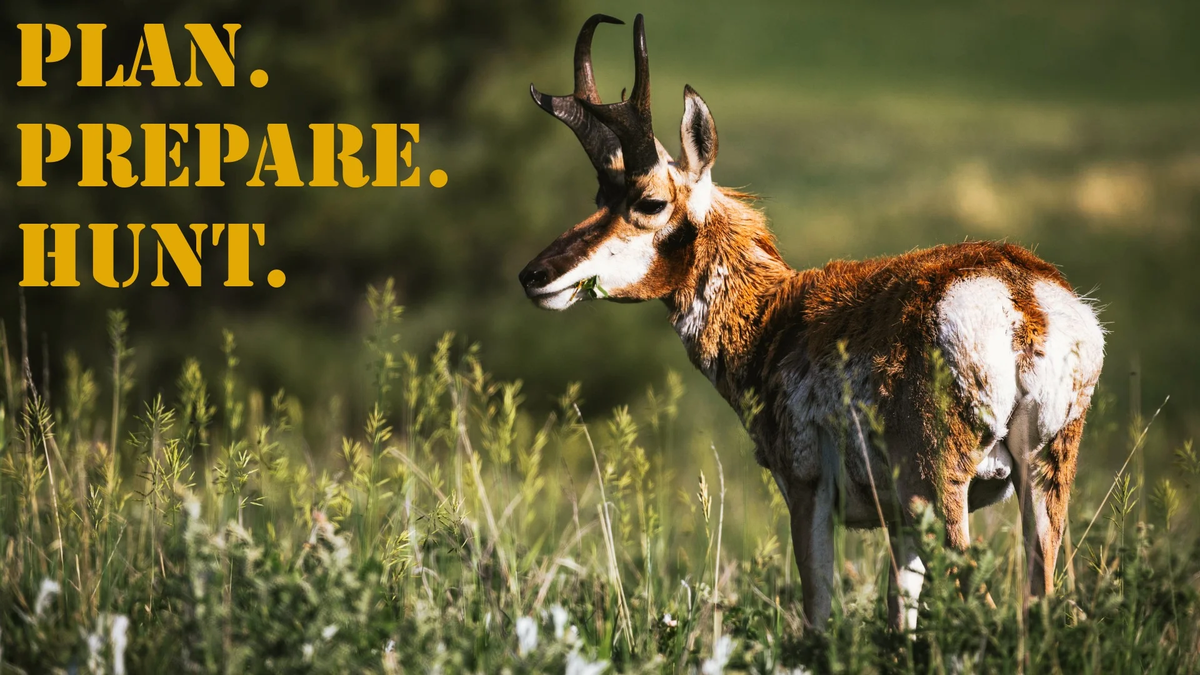
Antelope populations present a stark contrast—while some species, like the wildebeest and pronghorn, thrive and recover, others face devastating declines due to human impacts and ecological threats. The wildebeest’s Great Migration remains one of nature’s most awe-inspiring spectacles, with over 1.5 million strong traversing the Serengeti. Pronghorns in the U.S. have made a remarkable comeback, reaching 1 million individuals after teetering on the brink of extinction. Unfortunately, not all share such success stories.
Populations of saiga antelope have dropped from 1 million to fewer than 50,000 due to rampant poaching and disease outbreaks. Rare species like the addax (fewer than 100 individuals remaining) and dama gazelle also face critical threats. Habitat destruction from agriculture, urban expansion, and infrastructure development compounds their plight, alongside poaching for meat and horns and escalating human-wildlife conflicts.
Key Conservation Initiatives Supporting Antelope Survival
- Establishing Protected Areas
- Parks such as Serengeti and Kruger shield herds from habitat loss and human encroachment, while pronghorn-friendly fences and migration corridors in the U.S. ensure open pathways critical for their survival.
- Strengthening Anti-Poaching Measures
- Strict laws, enhanced wildlife patrols, and targeted efforts in regions like India aim to curtail illegal hunting and safeguard species like blackbucks.
- Captive Breeding and Reintroduction
- Programs for critically endangered species, such as the scimitar-horned oryx, work to restore populations by reintroducing them into protected habitats.
- Community-Based Conservation
- Empowering local communities to participate in wildlife protection fosters sustainable coexistence, instills stewardship, and reduces conflict.
- Promoting Sustainable Harvesting
- Organizations like the IUCN and hunters' associations advocate for balanced practices that ensure long-term species survival while maintaining ecological integrity.
Thanks to these collective efforts, some species are rebounding, but many still require urgent attention to secure their future. By expanding conservation initiatives, supporting education, and fostering collaboration among global stakeholders, we can ensure that antelope populations continue to enrich ecosystems and inspire generations to come.
Fun Facts about Antelope
- The saiga antelope's unique oversized nose helps filter out dust and warms cold air during harsh winters.
- The springbok antelope performs high vertical jumps called "pronking," which can reach up to 13 feet, to signal strength or evade predators.
- Pronghorns, often mistaken for antelopes, can run at speeds up to 60 mph, making them North America's fastest land animal.
- The eland, the largest species, is surprisingly agile and can leap up to 8 feet despite its massive size.
- Klipspringers use the very tips of their hooves to balance effortlessly on rocky terrain, acting like mountain climbers of the antelope world.
Closing Thoughts: The Legacy of Antelope
Antelopes are far more than elegant sprinters; they are vital keystones of their ecosystems and enduring symbols of untamed beauty. Their survival depends on coordinated efforts in conservation, sustainable hunting practices, and habitat protection. Regardless of your connection to wildlife, you can contribute meaningfully:
- Hunters
- Participate in regulated programs that fund habitat restoration projects and maintain healthy herds through sustainable practices.
- Conservationists
- Advocate for expanded protected areas, combat poaching, and actively restore ecosystems by planting native vegetation.
- Everyone
- Support organizations like the African Wildlife Foundation through donations or volunteer locally to foster stewardship and awareness.
By uniting our efforts, we can ensure that these magnificent creatures continue to leap across the diverse landscapes they call home, captivating future generations and enriching ecosystems worldwide. Now is the time to sprint into action and safeguard their legacy for years to come.
Last updated November 2025
Sources
U.S. Forest Service - Research & Development
Disclaimer: This content is provided for informational and entertainment purposes only. It may include personal opinions, user-generated input, or material created with the assistance of AI tools, and is not intended as professional advice of any kind. Tier 1 Sportsmen does not guarantee the accuracy, completeness, or reliability of any information provided. Always verify any hunting, safety, gear, or health-related information with qualified experts, and check all local laws and regulations before participating in any hunting activity. This site may contain copyrighted material, the use of which has not always been specifically authorized by the copyright owner. We believe that this constitutes a ‘fair use’ of the material in accordance with Title 17 U.S.C. Section 107. For full details, please review our Disclaimer, TOS, & Privacy Policy.