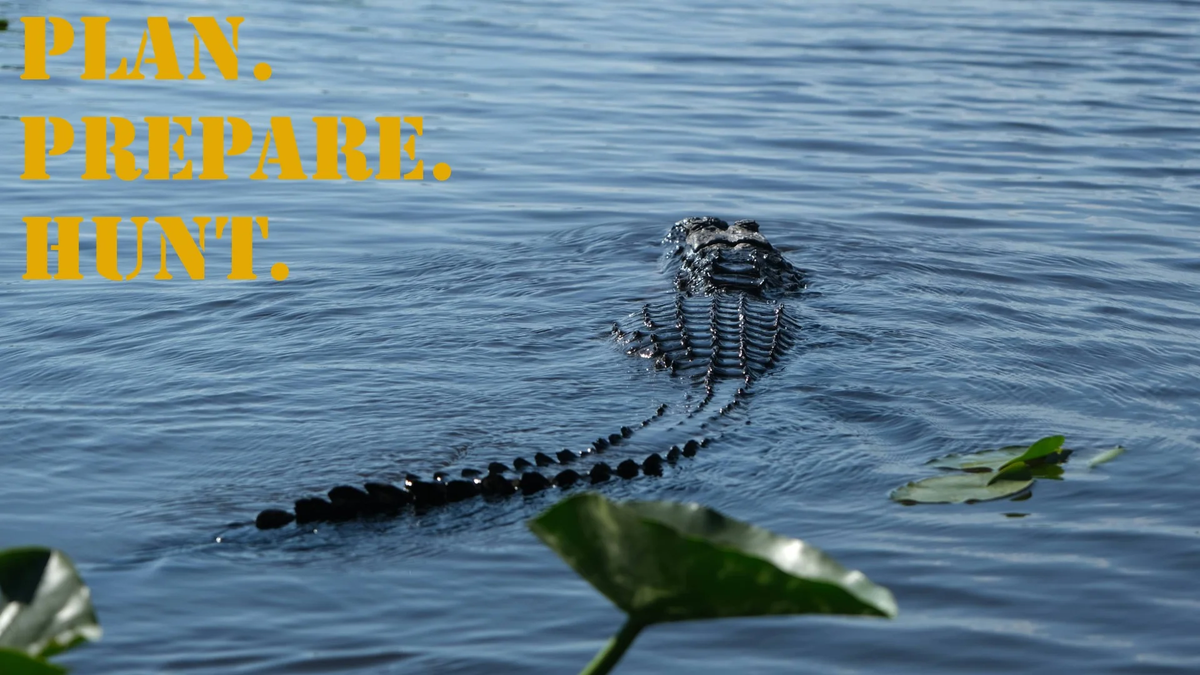
Description
American Alligator (Alligator mississippiensis)
A keystone predator of the southeastern United States, the American Alligator inhabits swamps, marshes, rivers, and wetlands from Texas to the Carolinas. Massive, armored, and cold-tolerant for a reptile, it plays a critical role in shaping wetland ecosystems. Feeding on fish, birds, and mammals, this ancient survivor is a living symbol of the American South’s wild waters.
Aliases
Gator
Swamp Puppy
Swamp Lizard
Swamp Alligator
Associates
Southeastern White-tailed Deer
Squirrel
Texas White-tailed Deer
Wild Boar
Engagement Strategies
Bow Fishing / Gigging
Spot & Stalk Hunting
Net / Trap / Line Fishing
Trapping
Effective Weapons
Centerfire Rifle
Compound Bow
Rimfire Rifle
Rod & Reel
Opportunity Assessment
Rating: Medium
Population
-Strong, well-managed populations across the southeastern United States following successful conservation and recovery efforts.
-Localized density varies by wetland quality, water management, and harvest pressure.
Distribution
-Found throughout the Southeast, including Florida, Louisiana, Georgia, South Carolina, Alabama, Mississippi, and Texas.
-Occupies freshwater marshes, swamps, rivers, lakes, canals, and brackish coastal wetlands.
Regulation
-Highly regulated draw or tag-based systems in all states with legal hunting.
-Seasons are short, methods tightly controlled, and permits often require advance application.
Demand
-Extremely high demand due to limited tags, trophy potential, and unique hunt style.
-Sought after by big-game collectors, dangerous-game enthusiasts, and GSCO-style challenge hunters.
Quick Threat
Rating: Medium
Terrain
-Swamps, marshes, canals, and rivers with deep mud, submerged vegetation, and unstable footing.
-Limited visibility in stained water and thick reeds makes movement and recovery difficult.
Weather
-Hot, humid conditions with sudden storms, lightning, and high heat stress.
-Night hunting often involves temperature drops, heavy dew, and reduced visibility.
Grit
-Long hours of slow boat travel, spotlighting, and waiting for surfacing opportunities.
-Physically demanding dispatch and retrieval requiring strength, coordination, and composure.
Conflict
-Close‑range encounters with large, aggressive reptiles in water where they have full advantage.
-Risk of capsizing, entanglement, or injury during harpoon, bang‑stick, or hand capture operations.
Mission Critical Gear
Apparel
-Lightweight, breathable hunting clothing
-Waterproof chest waders or hip boots
-Gloves
-Sun-protective long sleeves
Accessories
-Waterproof phone case
-Waterproof notebook
Bait / Scent
-Bait for limb lines
Calls / Decoys
Dob / Falconry Gear
Electronics / Lights
-GPS
-Spotlight
Footwear
-Waterproof lightweight boots
Game Care Gear
Kitchen / Hydration Gear
-High-capacity water storage
Knives / Tools
- Quality field-dressing knife
-Lightweight bone saw
-Multi-tool
Nutrition
-Electrolyte supplements
Optics
-High-quality binoculars
-Range Finder
Packs / Bags
-Drybags
Shelter / Sleep System
Stands / Blinds
Survival / Aid Gear
-First-aid Kit
-Insect repellent
Watercraft
-Shallow-draft boat
-Life jackets
Skill Set Demands
-Reptile Behavior
-Boat Handling
-Shot Placement
-Weather Reading
-Trophy Care
-Rope Handling
-Night Hunting
-Navigation
-Team Communication
Physical Characteristics
Broad, U-Shaped Snout
-Wide, rounded snout that is noticeably broader than the narrow, V-shaped snout of crocodiles.
Hidden Lower Teeth
-When the mouth is closed, the lower teeth are largely concealed, unlike crocodiles where upper and lower teeth interlock and remain visible.
Dark, Heavily Armored Hide
-Dark gray to nearly black coloration with thick, rugged osteoderms (bony scutes) along the back, providing a heavily armored appearance.
Large, Stocky Body with Powerful Tail
-Heavy-bodied build with a thick neck and a muscular, laterally flattened tail designed for short bursts of power in water.
Characteristics of a Trophy
Massive Head and Thick Jowls
-Exceptionally broad skull with pronounced jowls and a blocky head, giving a heavy, oversized look compared to slimmer juveniles.
Wide Back and Deep Chest
-Noticeably thick-bodied through the shoulders and midsection, with a deep, barrel-shaped chest that signals age and mass.
Oversized Tail Base
-Very thick tail at the base where it meets the body, indicating strength, age, and overall body weight.
Heavy, Worn Scutes
-Large, well-developed dorsal scutes that appear thick, rounded, and often scarred or worn from age and dominance encounters.
Diet
Protein
-Gar Fish
-Catfish
-Bass
-Turtles
-Wading Birds
-Nutria
-Racoon
-White-tailed Deer
-Wild Boar
-Frogs
Field Behavioral Patterns
Social Dynamics
-Generally solitary, with individuals occupying overlapping home ranges in swamps, marshes, rivers, and lakes.
-Dominance is size-based; larger gators displace smaller ones from prime basking and feeding areas.
-Increased interaction during breeding season, including bellowing, head-slapping, and posturing.
-Tolerant of other gators outside breeding season if food and space are adequate.
Reproductive Behavior
-Breeding occurs in late spring to early summer, with males vocalizing and patrolling territories.
-Females build elevated nest mounds of vegetation and mud near water.
-Eggs hatch in late summer; females actively guard nests and assist hatchlings to water.
-Maternal protection may continue for months, increasing aggression near nesting areas.
Movement Patterns
-Most active during warm temperatures, especially late evening through early morning.
-Daytime activity often includes basking on banks, logs, or floating vegetation.
-Movement increases after storms, during warm nights, and when water levels change.
-Travel corridors include canals, bayous, levees, and shallow marsh edges.
Human & Hunting Pressure
-Quickly become nocturnal and reduce surface activity after disturbance.
-Sink and hold position when pressured, often resurfacing at unexpected locations.
-Shift to deeper water, heavy vegetation, or remote backwaters.
-Repeated pressure makes gators wary of boats, lights, and surface noise, shortening engagement windows.
Reconnaissance
Morning
-Scan shorelines, mud banks, and vegetation edges at first light for gators returning to water after nighttime feeding.
-Watch for subtle surface signs such as eye bumps, nostrils, ripples, or bubble trails in calm water.
-Check basking areas near canals, levees, lake edges, and backwater sloughs where gators warm up early.
-Note slide marks, tracks, and flattened vegetation indicating regular entry and exit points.
Mid-Day
-Focus on shaded banks, deep holes, submerged logs, and thick vegetation where gators hold during heat.
-Glass for partially submerged gators positioned with only eyes and snout exposed.
-Identify travel routes between feeding zones and deeper refuges for later movement windows.
-Use elevated vantage points to spot shape, wake lines, or slight color breaks in the water.
Evening
-Concentrate on shallow flats, marsh edges, and channel mouths as gators begin active movement.
-Watch wind-protected areas where surface visibility improves and gators rise more consistently.
-Position early—movement often increases rapidly as light fades and temperatures drop.
-Track repeated surfacing patterns to predict where a gator will reappear.
Tips
-Calm water is critical; wind and chop drastically reduce visibility and surface activity.
-Larger gators favor deeper water access close to shallow feeding areas.
-Minimize noise—engine sound, banging gear, or sudden movement can push gators under for long periods.
-Patience is key; mature gators may surface briefly and unpredictably, requiring disciplined observation.
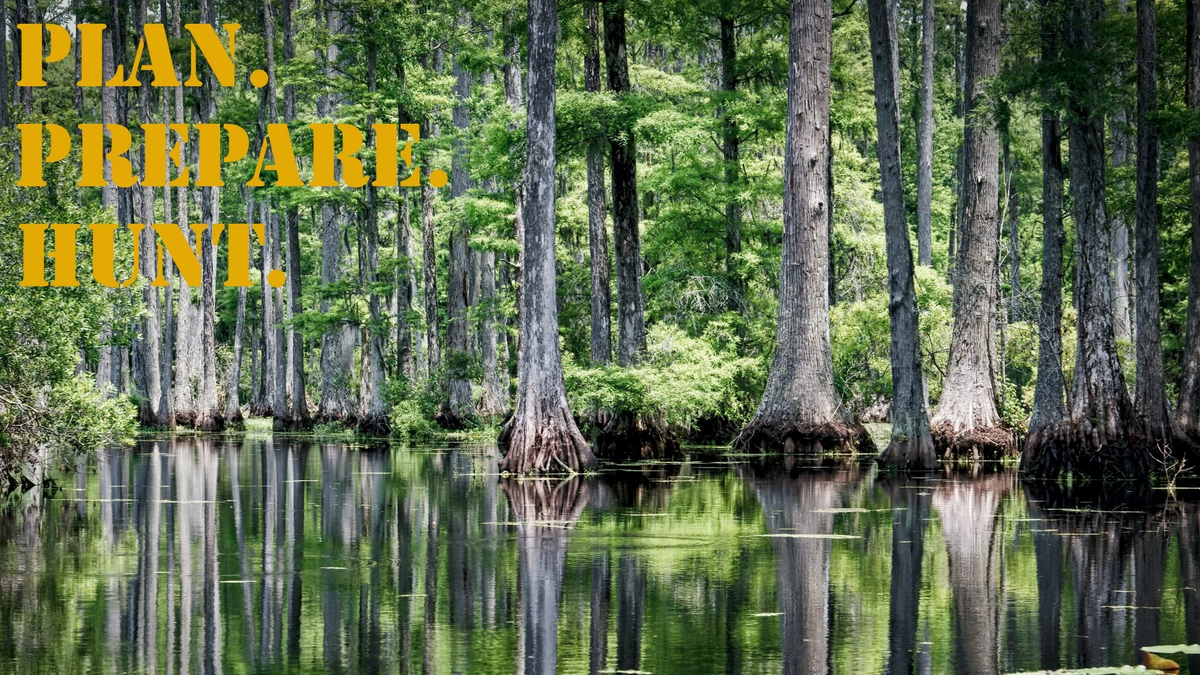
Theater of Operation
-Alabama, US
-Arkansas, US
-Florida, US
-Georgia, US
-Louisiana, US
-Mississippi, US
-North Carolina, US
-South Carolina, US
-Texas, US
Slams & Awards
Grand Slam Club Ovis
-Super 40
-Super 50
-Youth 3
Safari Club International
-Alternative Methods 24
-Animals of North America
-Animals of North America (Bow)
-Global Hunting Award
-Hunting Achievement Award
-Multiple Methods
-North American 12
-North American 29
-Predators of the world
-Top Ten Award
Records
Safari Club International
North America - Free Range
Firearms
Bronze - 8'1"
Silver - 10'6”
Gold - 11'6-4/8”
Bow
Bronze - 7'3”
Silver - 9'11"
Gold - 11'4-2/8"
Sources
Disclaimer: This content is provided for informational and entertainment purposes only. It may include personal opinions, user-generated input, or material created with the assistance of AI tools, and is not intended as professional advice of any kind. Tier 1 Sportsmen does not guarantee the accuracy, completeness, or reliability of any information provided. Always verify any hunting, safety, gear, or health-related information with qualified experts, and check all local laws and regulations before participating in any hunting activity. This site may contain copyrighted material, the use of which has not always been specifically authorized by the copyright owner. We believe that this constitutes a ‘fair use’ of the material in accordance with Title 17 U.S.C. Section 107. For full details, please review our Disclaimer, TOS, & Privacy Policy.